The fastest way to build IELTS vocabulary is by topic and in collocations: not pollution alone, but reduce air pollution; not fees, but afford tuition fees. Examiners reward words used precisely and naturally, and collocations are what make a word sound natural. Below are 12 topics that come up again and again in Speaking and Writing Task 2, with 15 words each. In every example, the bold part is the chunk to learn.
How to use the lists: pick one topic a day, say every example aloud, then change it so it's true for you or for Uzbekistan (My commute takes forty minutes by metro). Three days later, test yourself by covering the right column.
1. Education
| Word | Collocation in use |
|---|---|
| curriculum | The school curriculum is overloaded with facts. |
| tuition fees | Many families can't afford tuition fees. |
| rote learning | Some exams still reward rote learning. |
| critical thinking | Group projects develop critical thinking. |
| vocational | She took a vocational course in nursing. |
| higher education | Access to higher education has widened. |
| scholarship | He was awarded a full scholarship. |
| graduate | She graduated with honours last year. |
| literacy | Digital literacy is now a basic skill. |
| distance learning | Distance learning suits working adults. |
| attendance | Lecture attendance is compulsory here. |
| tutor | Many pupils have a private tutor. |
| drop out | A few students drop out of university. |
| qualification | He holds a teaching qualification. |
| academic pressure | Teenagers face heavy academic pressure. |
2. Work and careers
| Word | Collocation in use |
|---|---|
| career | She wants to pursue a career in law. |
| job security | State jobs offer more job security. |
| workload | My workload doubles in December. |
| promotion | He got a promotion after two years. |
| salary | IT companies pay competitive salaries. |
| freelance | Designers often work freelance. |
| remote work | Remote work saves commuting time. |
| work-life balance | It's hard to keep a healthy work-life balance. |
| colleague | I get on well with my colleagues. |
| unemployment | Youth unemployment remains a challenge. |
| skills gap | Training can close the skills gap. |
| apply | She applied for a position at a bank. |
| entry-level | Entry-level jobs rarely pay well. |
| burnout | Long hours lead to burnout. |
| job satisfaction | Good managers increase job satisfaction. |
3. Technology
| Word | Collocation in use |
|---|---|
| device | Children use digital devices from age three. |
| screen time | Parents try to limit screen time. |
| cutting-edge | The lab uses cutting-edge technology. |
| artificial intelligence | AI is transforming customer service. |
| automation | Automation may replace routine jobs. |
| privacy | Apps can invade users' privacy. |
| data | Companies collect personal data. |
| rely on | We rely heavily on smartphones. |
| gadget | He can't resist the latest gadgets. |
| innovation | Start-ups drive innovation. |
| digital divide | Rural schools face a digital divide. |
| access | Most homes have internet access now. |
| online | We shop online more than before. |
| user-friendly | The app is simple and user-friendly. |
| cyberbullying | Schools must tackle cyberbullying. |
4. Environment
| Word | Collocation in use |
|---|---|
| pollution | Cities must reduce air pollution. |
| emissions | Factories should cut carbon emissions. |
| renewable energy | Uzbekistan is investing in renewable energy. |
| drought | Farmers suffer from long droughts. |
| water shortage | Central Asia faces water shortages. |
| recycle | Few people recycle plastic bottles. |
| waste | Households produce tonnes of waste. |
| climate change | Summers show the effects of climate change. |
| sustainable | We need sustainable farming methods. |
| conserve | Drip irrigation conserves water. |
| single-use plastic | Some shops ban single-use plastic bags. |
| green spaces | Parks provide green spaces for families. |
| awareness | Campaigns raise public awareness. |
| endangered | Poaching threatens endangered species. |
| environmental disaster | The Aral Sea is a major environmental disaster. |



5. Health
| Word | Collocation in use |
|---|---|
| diet | Doctors recommend a balanced diet. |
| sedentary | Office workers lead sedentary lives. |
| obesity | Childhood obesity is rising worldwide. |
| mental health | Exams affect students' mental health. |
| check-up | Adults should have a regular check-up. |
| prevention | Prevention is cheaper than treatment. |
| junk food | Teenagers eat too much junk food. |
| exercise | I take regular exercise three times a week. |
| life expectancy | Life expectancy has increased. |
| healthcare | Rural areas need better access to healthcare. |
| stress | Walking helps relieve stress. |
| sleep | Students often lack sleep before exams. |
| well-being | Hobbies improve overall well-being. |
| symptom | He showed no symptoms at first. |
| recover | She made a full recovery. |
6. Cities and housing
| Word | Collocation in use |
|---|---|
| overcrowded | Buses are overcrowded at rush hour. |
| infrastructure | The city invested in infrastructure. |
| rent | Young couples pay high rent in Tashkent. |
| high-rise | High-rise buildings are replacing old houses. |
| traffic congestion | New roads ease traffic congestion only briefly. |
| noise | Residents complain about noise pollution. |
| facilities | Our district has good facilities. |
| affordable housing | Cities need more affordable housing. |
| neighbourhood | I grew up in a close-knit neighbourhood. |
| landmark | The TV tower is a famous landmark. |
| pedestrian | The old centre is pedestrian-friendly. |
| cost of living | The cost of living is rising. |
| urbanisation | Rapid urbanisation puts pressure on water supply. |
| suburbs | Many families move to the suburbs. |
| amenities | New districts lack basic amenities. |
7. Transport
| Word | Collocation in use |
|---|---|
| commute | My daily commute takes an hour. |
| public transport | Cheap fares encourage public transport use. |
| rush hour | Avoid the metro during rush hour. |
| traffic jam | We got stuck in a traffic jam. |
| fare | Metro fares are low in Tashkent. |
| reliable | Trains are fast and reliable. |
| electric vehicle | Electric vehicles are becoming popular. |
| cycle lane | The city built new cycle lanes. |
| car ownership | Car ownership has soared. |
| fuel | Rising fuel prices hit taxi drivers. |
| route | This bus takes a direct route. |
| high-speed train | The high-speed train links Tashkent and Samarkand. |
| delay | Snow caused long delays. |
| road safety | Campaigns improve road safety. |
| parking | Finding a parking space is hard downtown. |
8. Travel and tourism
| Word | Collocation in use |
|---|---|
| destination | Bukhara is a popular destination. |
| sightseeing | We went sightseeing all day. |
| tourist attraction | Registan is the main tourist attraction. |
| itinerary | I planned a detailed itinerary. |
| overtourism | Venice suffers from overtourism. |
| hospitality | Guests praise Uzbek hospitality. |
| souvenir | She bought souvenirs at the bazaar. |
| local economy | Tourism boosts the local economy. |
| off the beaten track | We prefer places off the beaten track. |
| heritage site | Itchan Kala in Khiva is a UNESCO World Heritage Site. |
| accommodation | We booked cheap accommodation. |
| peak season | Prices double in peak season. |
| culture shock | Students often experience culture shock. |
| budget | We travelled on a tight budget. |
| broaden | Travel broadens the mind. |
9. Media and advertising
| Word | Collocation in use |
|---|---|
| news outlet | Several news outlets reported the story. |
| fake news | Fake news spreads faster than facts. |
| headline | The story made the headlines. |
| influencer | Brands pay influencers to post. |
| target audience | The advert targets young audiences. |
| commercial | They ran a TV commercial. |
| clickbait | I ignore clickbait headlines. |
| bias | The report showed clear bias. |
| source | Always check the source. |
| broadcast | The match was broadcast live. |
| go viral | Her video went viral overnight. |
| subscribe | I subscribe to two podcasts. |
| misleading | The ad made misleading claims. |
| fact-check | Journalists fact-check every quote. |
| consumer | Ads influence consumer behaviour. |



10. Family and generations
| Word | Collocation in use |
|---|---|
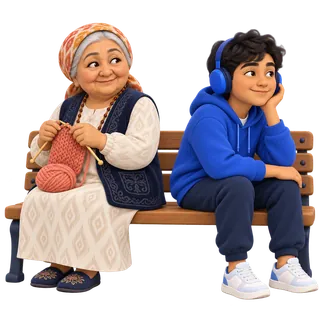
| extended family | I live with my extended family. |
| generation gap | Music widens the generation gap. |
| upbringing | She had a strict upbringing. |
| raise | They raised three children. |
| elders | We show respect for elders. |
| nuclear family | Nuclear families are more common now. |
| household chores | We share the household chores. |
| role model | My uncle is a role model for me. |
| bond | Grandparents form a close bond with grandchildren. |
| elderly | Families care for elderly relatives. |
| independence | Teenagers want more independence. |
| childcare | Working parents need affordable childcare. |
| get along | I get along well with my siblings. |
| values | They pass on traditional values. |
| sibling | I have two younger siblings. |
11. Food and diet
| Word | Collocation in use |
|---|---|
| home-cooked | Nothing beats a home-cooked meal. |
| processed food | Doctors warn against processed food. |
| portion | Restaurants serve huge portions. |
| ingredient | Plov needs fresh ingredients. |
| cuisine | I love Uzbek cuisine. |
| vegetarian | She follows a vegetarian diet. |
| takeaway | We order a takeaway on Fridays. |
| nutritious | Lentils are cheap and nutritious. |
| flavour | Cumin adds flavour. |
| fast food | Fast food chains are expanding. |
| organic | Few shops sell organic produce. |
| food waste | Weddings create food waste. |
| recipe | She follows her grandmother's recipe. |
| skip | Students often skip breakfast. |
| eating habits | Change unhealthy eating habits. |
12. Culture and traditions
| Word | Collocation in use |
|---|---|
| tradition | Navruz is a long-standing tradition. |
| custom | It's a local custom to offer tea. |
| heritage | Museums preserve cultural heritage. |
| festival | The city hosts a music festival. |
| celebrate | We celebrate Navruz in March. |
| handicrafts | Margilan is known for traditional handicrafts. |
| pass down | Recipes are passed down through generations. |
| identity | Language shapes national identity. |
| ceremony | The wedding ceremony lasted all day. |
| national costume | Dancers wore national costume. |
| globalisation | Globalisation threatens local traditions. |
| folk music | He plays folk music on the dutar. |
| revive | Artists revive old crafts. |
| cultural exchange | Students take part in cultural exchanges. |
| customs | Visitors should respect local customs. |
Using topic words in the test
- Speaking Part 1: one precise word per answer is enough (My commute is about forty minutes). See IELTS Speaking Part 1 sample answers for how that sounds.
- Speaking Part 3 and Writing Task 2: use collocations to build arguments: cut carbon emissions, ease traffic congestion, close the skills gap. The structure of such essays is in the IELTS Writing Task 2 guide.
- Don't force rare words. A natural very crowded beats a misused congested. Learn the whole chunk, never the word alone.
For general everyday vocabulary organised the same way, see English vocabulary by topic. An Uzbek-language version with explanations is planned in IELTS vocabulary mavzular bo‘yicha.
Practice: choose the right collocation
Complete each sentence with the right verb or adjective.
- Governments should ___ carbon emissions. (cut / cancel)
- Many students can't ___ tuition fees. (afford / pay for it)
- Office workers often lead ___ lives. (sedentary / sitting)
- Tourism can ___ the local economy. (boost / grow up)
- New roads only ___ traffic congestion for a while. (ease / lighten)
- Parents try to ___ screen time. (limit / reduce down)
- She ___ a full scholarship. (was awarded / won up)
- We should ___ local customs when we travel. (respect / follow up)
- Campaigns can ___ public awareness. (raise / rise)
- The story ___ the headlines. (made / did)
Answers
- cut carbon emissions. Cut or reduce; you cancel plans, not emissions.
- afford tuition fees. Pay for it would repeat the object.
- sedentary lives. The fixed phrase; sitting lives isn't used.
- boost the local economy. Grow up is for people.
- ease traffic congestion. Ease collocates with congestion, pain and pressure.
- limit screen time. Reduce down is redundant.
- was awarded a full scholarship. Win also works, but won up doesn't exist.
- respect local customs. Follow up means to check later.
- raise public awareness. Raise takes an object; rise doesn't (prices rise).
- made the headlines. A fixed collocation.
Practising the words out loud
Words stick when you use them in answers, not when you reread tables. In BandMate, the IELTS Speaking mock gives you questions on these topics by voice, and Bandi's feedback points out where a more precise word or a natural collocation would fit. The scores are practice estimates, not official IELTS bands. For test dates and booking, see IELTS in Uzbekistan.
Add BandMate as a preferred source on Google