
Yomg‘ir haqidagi Part 1 savollarida ko‘p o‘quvchi darslikdagi idiomani ishlatishga shoshiladi: It’s raining cats and dogs. Bu ibora hammaga tanish, lekin kundalik nutqda kam eshitiladi va yodlangan gapdek chiqadi. Tabiiy javob uchun oddiy, aniq so‘zlar yetarli: It was pouring, just a bit of drizzle, I got soaked on the way home. Ularni to‘g‘ri urg‘u va ohang bilan aytsangiz, idiomadan ko‘ra kuchliroq eshitiladi.
Rasmiy Speaking formati bo‘yicha Part 1 kundalik mavzulardagi savollardan iborat. Pastdagi savollarni tahririyat mashq uchun tuzgan, ular real imtihondan olinmagan. Umumiy ob-havo, issiq kunlar va sevimli fasl haqidagi savollar weather savollari sahifasida; bu sahifa aynan yomg‘ir va yog‘ingarchilik fasllari haqida.
Darslik idiomasi va tabiiy variant
| Darslik iborasi | Muammo | Tabiiy variant | Tarjimasi |
|---|---|---|---|
| It’s raining cats and dogs. | hamma biladi, lekin kam ishlatiladi | It’s pouring. / It’s absolutely pouring down. | chelaklab quyyapti |
| I’m under the weather. | ob-havo haqida emas, “biroz betobman” degani | It’s been grey and miserable all week. | havo xira va zerikarli |
| Save for a rainy day. | pul haqida, yomg‘ir haqida emas | (yomg‘ir savoliga mos emas) | qora kunga yig‘moq |
| Right as rain. | eskirgan, “sog‘-salomat” ma’nosida | I’m fine now. | hammasi joyida |
| It never rains but it pours. | muammolar ketma-ket kelishi haqida | It was one thing after another. | balo ustiga balo |
| come rain or shine | tabiiy va foydali | I go running every morning, come rain or shine. | yomg‘ir bo‘lsa ham, quyosh bo‘lsa ham |
Oxirgi qator ko‘rsatadiki, idioma taqiqlangan emas. Muhimi, u savolga mos kelishi va bitta javobda bittadan oshmasligi. Under the weather ni yomg‘irli kun haqida ishlatish esa ma’no xatosi: imtihonchi sizni kasal deb tushunadi. Ob-havo idiomalarining ma’nosi va kelib chiqishi ob-havo idiomalari sahifasida; idiomani qachon ishlatish kerakligi haqida umumiy qoida idiomalarni to‘g‘ri ishlatish sahifasida.
9 ta mashq savoli va ikki darajadagi javob
Belgilar (“band 6 atrofida”, “band 7+ uslubida”) tahririyatning taqqoslash mo‘ljali, rasmiy baho emas. Band 7+ javoblarda gap urg‘usi tushadigan so‘zlar qalin harf bilan belgilangan: ularni ovoz chiqarib, shu so‘zlarni kuchliroq aytib o‘qing.
1. Does it rain much where you live?
Band 6 atrofida. Not so much. In Tashkent it rains in spring and autumn, in summer there is no rain.
Band 7+ uslubida. Not really. We get a fair bit in spring, sometimes for days on end, but from June to September it hardly rains at all. You can go three months without seeing a cloud.
2. Do you like rainy days?
Band 6 atrofida. Yes, I like rain, because the air becomes fresh and it is not hot.
Band 7+ uslubida. I love them, probably because we don’t get many. After a long, dusty summer, the first proper rain makes the whole city smell different.
3. What do you usually do when it rains?
Band 6 atrofida. I stay at home, drink tea and watch films. I don’t like to go outside.
Band 7+ uslubida. If I can help it, nothing at all. I make a pot of tea, open the balcony door so I can hear it, and catch up on reading. If I have to go out, I just accept that my shoes will get ruined.
4. Did you like playing in the rain as a child?
Band 6 atrofida. Yes, very much. We ran in the rain and jumped in the water on the street.
Band 7+ uslubida. Absolutely. My brother and I would race out to jump in the puddles in our courtyard, and then get told off for bringing half the mud back into the house.
5. Do you usually carry an umbrella?
Band 6 atrofida. No, I don’t have an umbrella. When it rains I use my hood.
Band 7+ uslubida. I own one, but it never seems to be with me when I need it. It stays by the front door, perfectly dry, while I get soaked at the bus stop.
6. Which season brings the most rain in your country?
Band 6 atrofida. I think spring. In March and April there is a lot of rain.
Band 7+ uslubida. Spring, I’d say, especially March and April. It’s often just short showers, sunshine one minute and a downpour the next, which is why nobody trusts the forecast in April.
7. Have you ever been caught in heavy rain?
Band 6 atrofida. Yes, last year I was outside and suddenly strong rain started. I was very wet.
Band 7+ uslubida. Last spring, on the way back from a friend’s place. It went from drizzle to an absolute downpour in about a minute, and by the time I got to the metro, I was soaked to the skin.
8. Would you like to live somewhere where it rains a lot?
Band 6 atrofida. No, I would not like it, because I need sun. Too much rain makes me sad.
Band 7+ uslubida. For a month, maybe, as an experience. But I think I’d miss the sun very quickly. Grey skies for weeks would really get me down.
9. Is rain important in the place you come from?
Band 6 atrofida. Yes, it is important for farmers and for the plants.
Band 7+ uslubida. Very. My grandparents grow apricots in Fergana, and a dry spring is a real worry for them. Whenever it rains in April, my grandfather rings us just to say how happy he is.
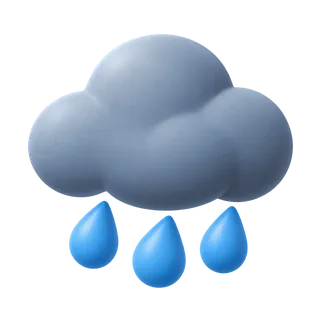
Yomg‘ir so‘zlari: jadval va rasmlar
| So‘z | Tarjimasi | Misol |
|---|---|---|
| drizzle | mayda yomg‘ir, sim-sim | It’s only drizzle, you don’t need an umbrella. |
| a shower | qisqa yomg‘ir | We had a few showers this afternoon. |
| a downpour | jala | The downpour flooded the underpass. |
| pour (down) | chelaklab quymoq | It poured all night. |
| get soaked | shalabbo bo‘lmoq | I got soaked on the way to work. |
| get caught in the rain | yomg‘irga tutilmoq | We got caught in the rain in the bazaar. |
| a puddle | ko‘lmak | The kids jumped in every puddle. |
| muddy | loy, balchiq | The paths get really muddy in spring. |
| a thunderstorm | momaqaldiroqli jala | There was a thunderstorm last night. |
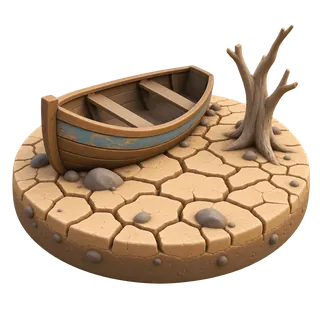
| a dry spell | qurg‘oqchil davr | After a long dry spell, the rain was welcome. |
| grey | xira, bulutli | It’s been grey all week. |




Fasllar nomi va har fasl uchun so‘zlar ingliz tilida fasllar sahifasida.
Pronunciation ustuni: urg‘u va ohang bilan tekshirish
Rasmiy Speaking band descriptors ning to‘rtinchi ustuni talaffuz haqida. Band 6 ta’rifida nomzod intonatsiya va urg‘udan ba’zan samarali foydalanadi, lekin buni butun javob davomida ushlab turmaydi; ritm urg‘u vaqtiga amal qilinmagani yoki juda tez gapirish sabab buzilishi mumkin. Band 7 esa band 6 ning barcha ijobiy belgilari va band 8 ning bir qismi. Band 8 da urg‘u va intonatsiya uzun gaplarda ham moslashuvchan ishlatiladi.
Yomg‘ir haqidagi javoblarda his bor (I love them, I was soaked), shu sababli ohang ayniqsa eshitiladi:
| So‘z / ibora | Urg‘u | Eslatma |
|---|---|---|
| umbrella | um-BREL-la | birinchi bo‘g‘inda emas |
| downpour | DOWN-pour | qo‘shma otda urg‘u birinchi qismda |
| thunderstorm | THUN-der-storm | th — /θ/, “t” yoki “s” emas |
| drizzle | DRIZ-zle | oxiri /zl/, “drizl” |
| season | SEA-son | /ˈsiːzn/, s o‘rtada /z/ |
| weather | WEA-ther | /ˈweðə/, w labda, “v” emas |
- 2- va 7-savolga javob yozing. Har biri 20–30 soniya.
- Qalin so‘zlarni tekshiring. Band 7+ javoblardagi qalin so‘zlarni avval o‘qing, keyin o‘z yozuvingizda his bildiruvchi so‘zga (love, soaked, downpour) urg‘u tushganini tinglang. Hamma so‘z bir xil balandlikda bo‘lsa, nutq tekis, “robot”dek eshitiladi.
- Tushuvchi ohang. It was absolutely pouring. Gap oxirida ovoz pastga tushsin: bu ishonch va tugallanganlikni bildiradi. O‘zbek o‘quvchilari ko‘pincha gap oxirini ko‘tarib, savolga o‘xshatib qo‘yadi.
- Tezlikni pasaytiring. Ikkinchi yozuvda har vergulda qisqa pauza qiling. Band 6 ta’rifidagi “rapid speech rate” shu yerda tuzatiladi.
- Jadvaldagi oltita so‘z. Har birini gap ichida ayting: I left my umbrella at home and got caught in a downpour. Ohang va urg‘u bo‘yicha batafsil mashq: IELTS Speaking intonation.
“Strong rain was going”: yomg‘ir haqidagi kalka xatolar
- “Rain is going.” “Yomg‘ir yog‘yapti” so‘zma-so‘z. To‘g‘risi: It’s raining.
- “There was a strong rain.” Yomg‘ir uchun heavy: There was heavy rain yoki It rained heavily.
- “I was very wet.” Xato emas, lekin tabiiyrog‘i: I got soaked yoki I got drenched.
- “In rain I stay at home.” → When it rains, I stay at home.
- “Today is rainy weather.” → It’s rainy today yoki It’s a rainy day.
- “I’m under the weather because of the rain.” Ma’no xatosi, agar kasal bo‘lmasangiz. → The rain puts me in a bad mood.
Mashq: bo‘shliqni to‘ldiring
So‘zlar: pouring, drizzle, soaked, caught, puddles, heavy, muddy, rain or shine, showers, dry spell
- Take an umbrella; it’s absolutely ___ outside.
- It’s only ___, you’ll be fine without a hood.
- I forgot my umbrella and got ___ to the skin.
- We got ___ in the rain on the way home.
- Children love jumping in ___.
- There was ___ rain all night, and the streets flooded.
- After the storm, the path to the village was very ___.
- My father walks to work every day, come ___.
- April usually brings short ___ and lots of sunshine.
- After a long ___, the farmers were happy to see rain.
Javoblar
- 1. pouring
- 2. drizzle
- 3. soaked
- 4. caught
- 5. puddles
- 6. heavy
- 7. muddy
- 8. rain or shine
- 9. showers
- 10. dry spell
Bandi bilan yomg‘irli kunlar haqida gaplashing
BandMate ilovasidagi ovozli suhbatda Bandi Part 1 uslubida ob-havo, yomg‘ir va fasllar haqida savol beradi, javobingizga qarab davom savolini qo‘yadi. Talaffuz bo‘yicha fikr yuqoridagi urg‘u va ohang mashqini tekshirishga yordam beradi. IELTS Speaking mock testi ham bor; AI fikri rasmiy IELTS bahosi emas.