Short answer savolida matndagi aniq faktlar haqida savol beriladi (What…? Which…? When…?), siz esa javobni matndan olingan bir-uch so‘z yoki raqam bilan yozasiz. To‘liq gap kerak emas. Ball uchun ikki narsa hal qiluvchi: savol so‘zi qanday turdagi javob kutayotganini oldindan bilish va ko‘rsatmadagi so‘z chegarasiga qat’iy amal qilish.
Quyida rasmiy qoidalar, savol so‘zlari jadvali, qabul qilinadigan va qilinmaydigan javob shakllari hamda Orol dengizi haqidagi matnda 7 savollik mashq bor. Matn mashq uchun yozilgan, rasmiy IELTS materiali emas.
Rasmiy qoidalar
IELTS’ning rasmiy Reading formati bo‘yicha (2026-yil 1-oktabrda tekshirildi):
- Savollar matndagi faktik tafsilotlar haqida bo‘ladi.
- Javob matndagi so‘zlardan olinadi.
- So‘z chegarasidan oshgan javob ball olmaydi. Raqamni raqam yoki so‘z bilan yozish mumkin.
- Qisqartirilgan shakllar (they’re) tekshirilmaydi, defisli so‘z bitta so‘z hisoblanadi.
- Javoblar matndagi ma’lumot tartibida keladi. Bu diagram yoki table savollaridan farq qiladi va sizga katta yordam beradi.
Short answer General Training Reading’da ham bor. Uning bo‘limlari haqida General Training Reading sahifasida yozganmiz.
Savol so‘zi javob turini aytadi
Sentence completionda bo‘shliq atrofidagi grammatika yordam beradi. Short answer’da bo‘shliq yo‘q, javob alohida turadi. Shuning uchun asosiy ishora savol so‘zi.
| Savol boshlanishi | Kutilayotgan javob | Misol javob |
|---|---|---|
| When / In which decade | sana, yil, davr | the 1960s |
| How many / How much | raqam, miqdor | 40 |
| Who | shaxs, kasb, guruh | farmers |
| Where / In what place | joy nomi | nurseries |
| What kind of / What type of | tur, sifatli ot | salty ground |
| Which + ot (Which plant…) | aynan shu turdagi narsa | saxaul |
| What + fe’l (What damages…) | narsa yoki hodisa | dust |
| What … for / For what purpose | maqsad, ko‘pincha ot | irrigation |
Savol so‘zining tagiga chizing va javob turini chetga bir so‘z bilan yozing: yil, o‘simlik, kasallik. Bu 5 soniyalik ish matnda keraksiz so‘zlar orasidan to‘g‘risini tez ajratadi.
So‘z chegarasi: qaysi shakl ball oladi
Ko‘rsatma: Choose NO MORE THAN THREE WORDS AND/OR A NUMBER from the passage.
| Javob varianti | Hisob | Natija |
|---|---|---|
| fertilisers and pesticides | 3 so‘z | to‘g‘ri |
| the fertilisers and pesticides | 4 so‘z | chegaradan oshgan |
| the 1960s | 1 so‘z + raqam | to‘g‘ri |
| from the 1960s onwards | 3 so‘z + raqam | chegaradan oshgan |
| Because it contains salt | 4 so‘z, gap shakli | xato |
| long-term damage | 2 so‘z (defis bilan bitta) | to‘g‘ri |
Qoidani tez eslab qolish uchun: savolni takrorlamang, “because”, “it is” bilan boshlamang, faqat javob yadrosini yozing.
Ishlash tartibi va vaqt
Rasmiy vaqt taqsimoti yo‘q; quyidagi raqamlar tavsiya. 5–7 savollik short answer to‘plamiga 7–9 daqiqa ajrating.
- Barcha savollarni o‘qing (1 daqiqa). Savol so‘zi va kalit otning tagiga chizing. Chegarani katta harf bilan yuqoriga yozing: 3W+N.
- Birinchi savolning joyini toping (1–2 daqiqa). Ism, raqam, bosh harfli so‘z bo‘yicha scanning qiling. Scanning usullari skimming va scanning sahifasida.
- Gapni to‘liq o‘qing. Kalit so‘z topilgan gapning oxirigacha o‘qing, javob ko‘pincha keyingi bo‘lakda bo‘ladi.
- Javobni matndan ko‘chiring. So‘zlarni o‘zgartirmang, imloni harfma-harf tekshiring.
- Keyingi savolga pastroqdan izlang. Tartib saqlangani uchun 3-savol javobi 2-savoldan keyin turadi. Bitta savolni topa olmasangiz, keyingisini toping: yo‘qolgan javob ikkalasi orasida.
- Oxirida so‘z sonini sanang (30 soniya).
Mashq: qurigan dengizdan ko‘tariladigan chang
Matn (mashq uchun yozilgan):
Dust from a dry sea
Until the middle of the twentieth century, the Aral Sea was one of the largest inland bodies of water in the world. It was fed by two rivers, the Amu Darya and the Syr Darya. From the 1960s onwards, however, much of their water was diverted into canals to irrigate cotton fields, and the sea began to shrink. As the water retreated, it left behind a vast plain of sand and salt, which is now often called the Aralkum Desert.
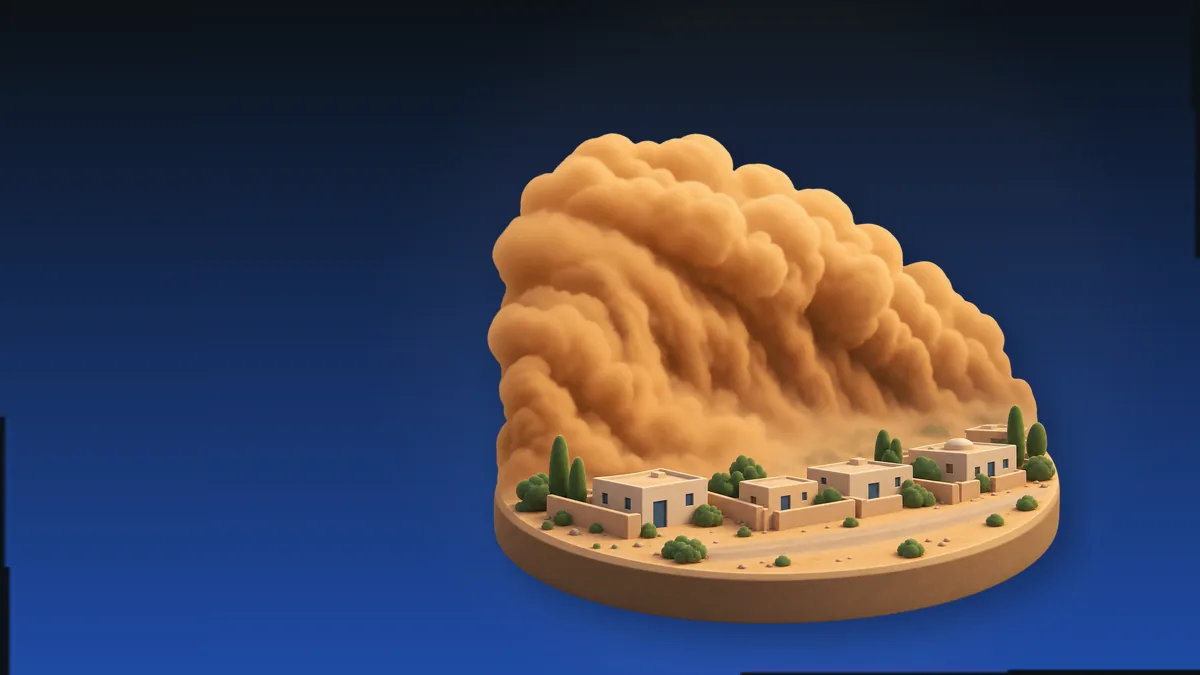
This new desert has created a problem that reaches far beyond the old shoreline. Strong winds lift fine particles from the exposed seabed and carry them across farms and towns. Because the former seabed contains salt as well as fertilisers and pesticides washed down from the fields, the dust is more harmful than ordinary sand. Farmers report that it settles on young plants and damages the soil, while doctors in the region have linked the dust to breathing problems.
The most widely used response has been to plant vegetation on the dry seabed. The favourite choice is saxaul, a tough shrub that survives with very little water and tolerates salty ground. Its long roots bind the loose surface, and its branches slow the wind near the ground. Planting is usually done in late autumn or winter, when the soil holds a little moisture. Seedlings are first grown in nurseries and then moved to the seabed.
Scientists agree that planting alone cannot bring back the sea. Its supporters argue, however, that each new strip of shrubs means less dust reaching the villages downwind.
Answer the questions below. Choose NO MORE THAN THREE WORDS AND/OR A NUMBER from the passage for each answer.
- 1. In which decade did large amounts of river water start to be taken for farming?
- 2. Which crop was the diverted water mainly used for?
- 3. What name is often given to the land left behind by the sea?
- 4. Apart from salt, which substances from farms are found in the former seabed?
- 5. What health problem have doctors connected with the dust?
- 6. Which part of the saxaul holds the loose surface together?
- 7. Where are young saxaul plants grown before they are moved?
Javob turini har bir savol yoniga oldindan yozing, keyin matnni o‘qing.
Javoblar va izohlar
- 1 — (the) 1960s. From the 1960s onwards … water was diverted. Savol In which decade deb so‘rayapti, shuning uchun o‘n yillik. Middle of the twentieth century xato: bu dengiz hali katta bo‘lgan davr.
- 2 — cotton. To irrigate cotton fields. Savol crop, ya’ni ekin nomini so‘rayapti. Canals suv qayerdan oqganini bildiradi, ekin emas.
- 3 — (the) Aralkum Desert. Now often called the Aralkum Desert. Bosh harf muhim emas, lekin imlo muhim.
- 4 — fertilisers and pesticides. Aynan uch so‘z. Salt savolda chiqarib tashlangan (Apart from salt), uni yozsangiz, chegaradan ham oshasiz.
- 5 — breathing problems. Linked the dust to breathing problems. Linked → connected: paraphrase. Damages the soil fermerlar aytgan muammo, sog‘liq haqida emas.
- 6 — (long) roots. Its long roots bind the loose surface. Bind → holds together. Branches tuzoq: ular shamolni sekinlashtiradi, yuzani ushlamaydi.
- 7 — (in) nurseries. Seedlings are first grown in nurseries. Seedlings → young plants. On the seabed ko‘chirilgan joy, o‘stirilgan joy emas.
Natijani o‘qish: 7 tadan 6–7 bo‘lsa, usul ishlayapti. 5 yoki 6-savolda xato qilgan bo‘lsangiz, paraphrase’ni o‘tkazib yuborgansiz: savoldagi fe’lning matndagi sinonimini (connected → linked, holds → binds) izlashni odat qiling. Bunday so‘z juftlarini yig‘ish usuli Reading’ni 6 dan 7 ga ko‘tarish sahifasida.
Short answer’da o‘zbek o‘quvchilar yo‘qotadigan ballar
- To‘liq gap bilan javob berish. Maktabda “to‘liq javob bering” deb o‘rgatilgan. The dust causes breathing problems 5 so‘z, ball yo‘q. Faqat breathing problems.
- O‘zi bilgan faktni yozish. Orol haqida ko‘p eshitgansiz, lekin savolga matnda yozilgan so‘z bilan javob berasiz. Masalan, 4-savolga chemicals deb yozish mumkin emas, matnda aniq so‘zlar bor.
- How many va how much’ni chalkashtirish. O‘zbekchada ikkalasi ham “qancha”. How many sanaladigan son (40 species), how much miqdor (very little water).
- Yilni noto‘g‘ri yozish. 1960s o‘n yillikni bildiradi, 1960 bitta yil. In 60s esa matnda yo‘q shakl.
- Imloni o‘zgartirish. Britancha matnda fertilisers bo‘lsa, ko‘chiring. Amerikacha fertilizers ham odatda qabul qilinadi, deb o‘ylab tavakkal qilmang: matndagidek yozish eng xavfsiz yo‘l.
Faktlarni gapirib mustahkamlash
Short answer’ning asosi: savoldagi so‘zni matndagi sinonim bilan bog‘lash. Buni og‘zaki mashq qilsa ham bo‘ladi. BandMate ilovasida Bandi bilan o‘z shahringiz yoki Orol muammosi haqida gaplashing va har bir fikrni ikki xil so‘z bilan ayting: damage / harm, grow / raise. Ilovada darslar, talaffuz bo‘yicha fikr va IELTS Speaking mock bor; Reading testini esa u o‘tkazmaydi. AI fikri rasmiy IELTS bahosi emas.
Manbalar
- IELTS: Academic Reading formati va savol turlari — 2026-yil 1-oktabrda tekshirildi
- IELTS: General Training Reading formati — 2026-yil 1-oktabrda tekshirildi