
Kiyim haqidagi Part 1 savollariga javob berish uchun modaga qiziqishingiz shart emas. Imtihonchi nima kiyishingiz, qayerdan sotib olishingiz va moda siz uchun muhimmi, shuni so‘raydi. Band 7+ javob kiyimni aniq nomlaydi (dark jeans, a chapan) va bitta sabab qo‘shadi. Eng ko‘p uchraydigan xato esa grammatikada emas, fe’lda: o‘zbekcha “kiymoq” inglizchada kamida ikki xil fe’lga bo‘linadi.
Avval fe’llar: wear, put on, suit, fit
O‘zbek tilida “kiyim kiyaman” ham harakatni, ham holatni bildiradi. Ingliz tilida bular alohida. Javob berishdan oldin shu jadvalni bir marta ovoz chiqarib o‘qing:
| Fe’l | Ma’nosi | Misol |
|---|---|---|
| wear | kiyib yurish (holat, odat) | I wear glasses only for reading. |
| put on | kiyish (bir lahzalik harakat) | I put on a warm hat before I leave the house. |
| take off | yechish | Guests take off their shoes at the door. |
| get dressed | kiyinish | On weekdays I get dressed in five minutes. |
| dress up | yasanib kiyinish | Everybody dresses up for Navruz concerts. |
| fit | o‘lchamiga to‘g‘ri kelish | These trainers don’t fit me any more. |
| suit | yarashish | Dark green really suits my father. |
| go with | mos tushish | Does this belt go with brown shoes? |
Qoida qisqa: odat haqida gapirsangiz wear, kiyish harakati haqida put on. O‘lcham haqida fit, chiroyli ko‘rinish haqida suit.
Kiyimlar rasmda
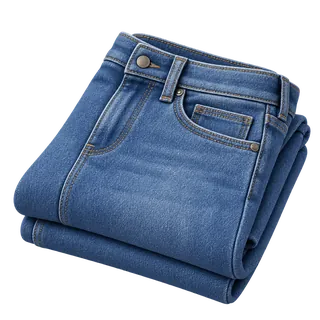
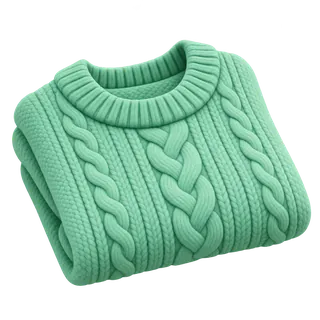
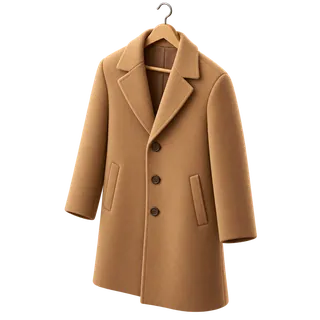
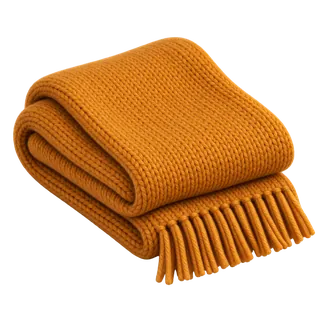




9 ta mashq savoli va ikki xil javob
Savollar tahririyat tomonidan mashq uchun yozilgan, real imtihondan olinmagan. Rasmiy formatga ko‘ra Part 1 to‘rt-besh daqiqa davom etadi va tanish mavzulardagi savollardan iborat. Har javobdagi “6” va “7+” belgisi tahririyatning taxminiy mo‘ljali, rasmiy baho emas.
1. What kind of clothes do you usually wear?
6: I usually wear jeans and T-shirt. They are comfortable for me.
7+: Something simple and practical on weekdays, usually dark jeans, a plain shirt and trainers I can walk in all day. I make a bit more effort on Fridays, because that’s when we sometimes meet clients.
Band 6 javobda a T-shirt artikli tushib qolgan. Ikkinchi javob kiyimni aniq sanaydi va hafta kunlari orasidagi farqni ko‘rsatadi.
2. Do you wear different clothes at home and at university?
6: Yes, at home I wear comfortable clothes, but at university I wear more formal clothes.
7+: Completely different. There’s an unwritten dress code at university, so I’d never turn up in a tracksuit, but the moment I get home I change into an old hoodie and loose trousers.
3. Did you have to wear a uniform at school?
6: Yes, I wore a uniform at school. It was white shirt and black trousers.
7+: Yes, a white shirt and a dark suit, and I hated it at the time, especially the tie. Looking back, though, it saved a lot of arguments in the morning, since nobody had to decide what to put on.
Looking back, though o‘tmishga bugungi nigoh bilan qarashni bildiradi. Bu Part 1 uchun tabiiy va foydali ibora.
4. How often do you buy new clothes?
6: I buy new clothes maybe two times in a year, before winter and before summer.
7+: Only when something wears out, to be honest. I’m not much of a shopper, so I tend to do one big trip before winter, usually to Abu Sahiy, a huge clothes market in Tashkent where you can bargain.
Joy nomini aytib, darhol inglizcha izoh bering (a huge clothes market). Imtihonchi Toshkentni bilmasligi mumkin.
5. Do you prefer buying clothes online or in shops?
6: I prefer shops because I can try on the clothes.
7+: In shops, mainly because online sizes are so unpredictable. I once ordered a jacket in my usual size and it arrived looking like it was made for a ten-year-old, so now I only buy things I can try on first.
6. Do you like wearing traditional clothes?
6: Yes, I like traditional clothes. I wear doppi at holidays.
7+: On special occasions, yes. For a family wedding I’ll wear a chapan, a long quilted robe, and I actually feel quite proud in it. It isn’t something I’d wear to the supermarket, though.
Band 6 javobda ikki xato bor: a doppi (artikl) va on holidays yoki for holidays (predlog).
7. Is fashion important to you?
6: No, fashion is not important for me. I wear what I like.
7+: Not really. I care more about whether something fits well and lasts than whether it’s in fashion. My sister is the opposite: she follows trends closely and can tell you exactly what’s in this season.
8. What do people in your country wear to weddings?
6: At weddings men wear suits and women wear beautiful dresses. The bride wears white dress.
7+: Men mostly go for dark suits, while women choose bright dresses, often made of atlas, our silk with a bold zigzag pattern. The bride usually wears a white Western-style dress, although many families also want to see her in a traditional outfit for part of the day.
9. Would you ever wear second-hand clothes?
6: Maybe. If the clothes are clean and cheap, I can wear them.
7+: I already do, actually. Several of my winter jackets come from second-hand shops, because you can find decent brands for a fraction of the price. I’d draw the line at shoes, though.
Fashion iboralari jadvali
| Ibora | Tarjimasi | Misol |
|---|---|---|
| casual / smart | oddiy, erkin / rasmiyroq, ozoda | Our office is smart on Mondays and casual on Fridays. |
| a dress code | kiyinish qoidasi | The restaurant has a strict dress code. |
| in fashion / out of fashion | modada / modadan qolgan | Wide trousers are back in fashion. |
| trendy | zamonaviy, urfdagi | My cousin only buys trendy trainers. |
| wear out | eskirib yirtilmoq | My favourite boots wore out after three winters. |
| a bargain | arzonga olingan yaxshi narsa | This coat was a real bargain at the bazaar. |
| loose / tight | keng / tor | I prefer loose shirts in summer. |
| a bold pattern | ko‘zga tashlanadigan naqsh | Atlas silk usually has a bold pattern. |
| second-hand | ishlatilgan, qo‘ldan-qo‘lga o‘tgan | Second-hand shops are popular with students. |
| a pair of jeans | bitta jinsi shim | I bought two pairs of jeans in the sale. |
Kiyim nomlarining to‘liq ro‘yxati kiyimlar inglizcha sahifasida bor. Do‘konda kerak bo‘ladigan iboralar esa kiyim sotib olish so‘zlari sahifasida.
“Kiymoq” tuzog‘i va kiyim haqidagi boshqa xatolar
- “I put on jeans every day.” Bu “har kuni jinsini kiyish harakatini qilaman” degan g‘alati ma’no beradi. Odat uchun: I wear jeans every day.
- “I dressed my coat.” Dress narsani emas, odamni kiyintiradi. To‘g‘risi: I put on my coat. yoki I got dressed.
- “This dress is very fit for you.” O‘lcham bo‘lsa: This dress fits you perfectly. Chiroyli ko‘rinsa: This dress really suits you.
- “A clothe”, “clothes is”. Clothes doim ko‘plikda: My clothes are in the wardrobe. Cloth esa mato degani.
- “A jean”, “a trouser”. Bu so‘zlar juft: a pair of jeans, some trousers.
- “Fashion clothes.” Sifat kerak: fashionable clothes yoki trendy clothes.
- “Two times in a year.” Tabiiy shakl: twice a year.
- Talaffuz. Clothes /kləʊðz/ oxirida “th-z” juda yumshoq, ko‘pchilik ona tili egalari uni /kləʊz/ ga yaqin aytadi. “klo-tes” deb bo‘g‘inga bo‘lmang. Suit /suːt/ “syut” emas.
Bo‘shliqni to‘ldiring: kiyim fe’llari va iboralari
So‘zlar: wear, put on, suits, fit, dress code, bargain, wore out, pair
- I usually ___ a suit to work, but not at weekends.
- It’s freezing outside, so ___ your gloves before you go.
- That shade of blue really ___ you.
- These shoes don’t ___ me; they’re half a size too small.
- The company has a relaxed ___, so jeans are fine.
- I paid only half price for this jacket. It was a real ___.
- My trainers ___ after a year of walking to university.
- I need a new ___ of trousers for my brother’s wedding.
Javoblar
- 1. wear (odat)
- 2. put on (harakat)
- 3. suits (yarashadi)
- 4. fit (o‘lchami)
- 5. dress code
- 6. bargain
- 7. wore out
- 8. pair
1–4-gaplarning hammasi to‘g‘ri bo‘lsa, “kiymoq” tuzog‘idan qutulgansiz. Adashgan bo‘lsangiz, jadvaldagi fe’llar bilan o‘zingiz haqingizda to‘rtta gap tuzing.
Yozib, tinglab, mezon bilan solishtiring
- 1-, 4- va 7-savollarni tanlang. Har biriga qog‘ozga uchtadan kalit so‘z yozing, to‘liq gap emas.
- Telefonda yozib oling. Har javob 20–30 soniya bo‘lsin, taymerni ko‘z oldingizga qo‘ying.
- Tinglashda uchta narsani sanang: nechta kiyim aniq nomlandi, wear va put on to‘g‘ri tushdimi, nechta javob “Yes” yoki “No” bilan tugab qoldi.
- Rasmiy Speaking band descriptors dan grammatika mezonining 6 va 7 qatorlarini o‘qing va o‘z yozuvingizda artikl xatolarini belgilang.
- Xatolar eng ko‘p chiqqan javobni qayta yozing.
Kiyim sotib olish haqida savollar ko‘pincha xarid mavzusi bilan birga keladi, shuning uchun shopping savollari sahifasini ham ko‘rib chiqing.
Bandi bilan kiyim va moda haqida gaplashing
BandMate ilovasida Bandi Part 1 uslubidagi savollarni ovozli beradi, javobingizdan keyin davom savoli qo‘yadi va talaffuzingiz hamda iboralaringiz bo‘yicha fikr bildiradi. Kiyim mavzusida wear va put on ni to‘g‘ri ishlatayotganingizni suhbat davomida tekshirib borish qulay. IELTS Speaking mock testi ham bor. Ilova bahosi rasmiy IELTS bali emas.