Colours savoliga “My favourite colour is blue because it is beautiful” deb javob berish oson, lekin bu gap sizni boshqa minglab nomzodlardan ajratmaydi. Kuchli javob rangni aniq tus bilan aytadi (a deep navy blue, a pale, dusty pink), uni narsa yoki joyga bog‘laydi (Samarqand gumbazlari, onangizning atlas ko‘ylagi) va rang nomlarini to‘g‘ri talaffuz qiladi. Aynan talaffuz bu mavzuda kutilmagan tuzoq: purple, beige, turquoise kabi so‘zlarni ko‘pchilik ruscha yoki o‘zbekcha o‘qiydi.
Pastdagi savollar tahririyatning mashq savollari, real imtihondan olinmagan. Rasmiy Speaking formatiga ko‘ra, Part 1 4–5 daqiqa davom etadi va imtihonchi tanish, kundalik mavzularda umumiy savollar beradi.
Rangni aniq aytish: “blue” dan “dusty blue” gacha
Bitta so‘z qo‘shish javobni sezilarli aniqlashtiradi. Quyidagi so‘zlar rang oldidan keladi:
| So‘z | Ma’nosi | Misol |
|---|---|---|
| light / pale | och | a pale green shirt |
| dark / deep | to‘q | a deep red pomegranate |
| bright / vivid | yorqin, ko‘zni oladigan | bright yellow carrots |
| soft / muted | yumshoq, bo‘g‘iq | soft, muted colours in the bedroom |
| -ish | “-ish, -roq” (yaqin rang) | a greenish-blue tile |
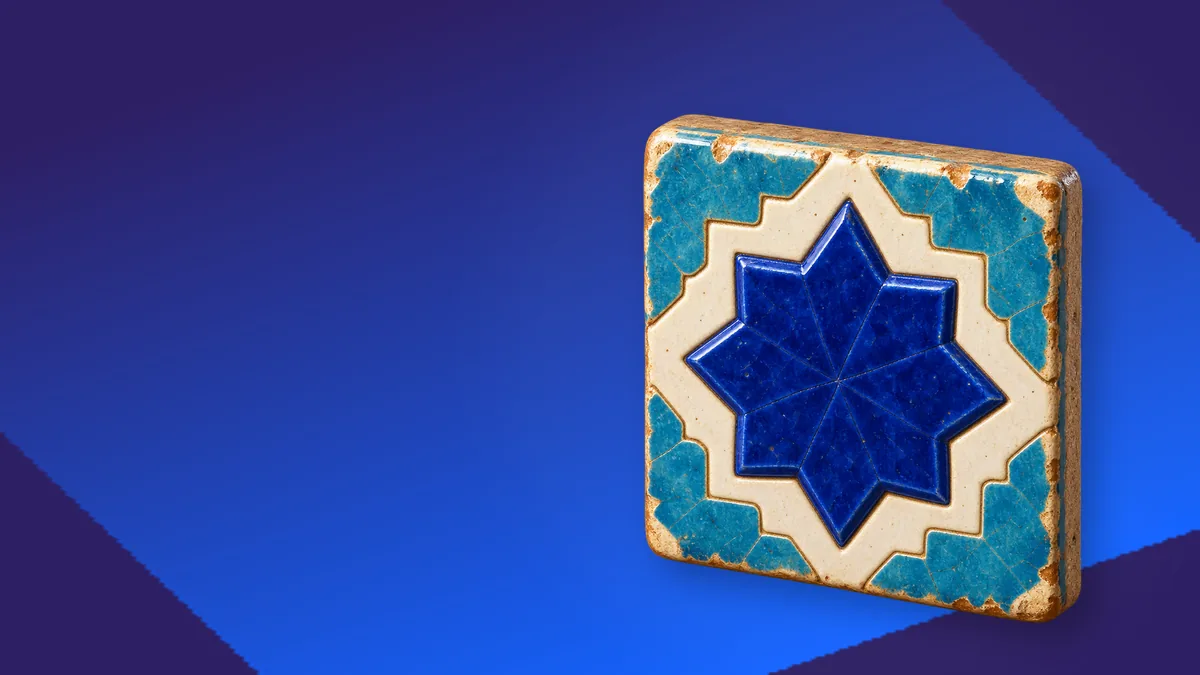
| sky blue / navy / turquoise | havorang / to‘q ko‘k / feruza | the turquoise domes of Samarkand |
O‘zbek tilida ko‘k so‘zi ham osmon rangini, ham ba’zan yashil o‘tni bildiradi (ko‘kat, ko‘klam). Ingliz tilida esa bu ikki rang aniq ajratiladi: osmon blue, o‘t green. Ruscha голубой va синий farqi inglizchada ikki alohida so‘z emas: light blue va dark blue yetarli.
Tuslar va rang birikmalari bo‘yicha to‘liq ro‘yxat rang tuslari sahifasida.
9 ta mashq savoli: band 6 va band 7+ javoblar
Belgilarni tahririyat qo‘ygan, rasmiy baho emas: ular faqat ikki javob orasidagi farqni ko‘rsatadi.
1. What’s your favourite colour?
Band 6 atrofida: My favourite colour is blue. I like it because it is calm and beautiful.
Band 7+ uslubida: Probably turquoise, the exact shade of the tiles on the Registan. I spent a whole afternoon there last spring just staring at the domes, and since then I’ve had a bit of an obsession with it.
Farqi: umumiy blue o‘rniga aniq tus va uni eslatadigan joy.
2. Has your favourite colour changed since you were a child?
Band 6 atrofida: Yes. When I was a child I liked pink, but now I like grey and black.
Band 7+ uslubida: Completely. As a little girl I wanted everything in bright pink, even my school bag. Now I go for neutral colours, beige, grey, off-white, mostly because they’re easy to match.
3. What colours do you usually wear?
Band 6 atrofida: I usually wear dark colours, for example black jeans and a dark blue jacket.
Band 7+ uslubida: Mostly dark, muted things: navy, charcoal, olive. It isn’t a style choice so much as a practical one; I cycle to university, and dark clothes hide the dust.
4. Are there any colours you don’t like?
Band 6 atrofida: I don’t like orange. I think it is too bright.
Band 7+ uslubida: Neon green, definitely. It reminds me of the high-visibility vests at road works, so I can’t see it as a fashion colour. Orange is borderline for me too.
5. What colour are the walls in your room?
Band 6 atrofida: My room is white. I want to change it to light green.
Band 7+ uslubida: Plain white at the moment, which makes the room feel bigger. If it were up to me, I’d paint one wall a soft sage green, but my dad thinks coloured walls look unfinished.
Farqi: If it were up to me, I’d… gipotetik tuzilma va sage green kabi aniq tus.
6. Do colours affect your mood?
Band 6 atrofida: Yes, I think bright colours make me happy and dark colours make me sad.
Band 7+ uslubida: I think so. On grey winter days in Tashkent I deliberately wear something bright, like a yellow scarf, just to cheer myself up. It sounds silly, but it genuinely works for me.
7. Do any colours have a special meaning in your country?
Band 6 atrofida: Yes, white is important. For example, brides wear white dresses.
Band 7+ uslubida: White is probably the most symbolic. We wish someone oq yo‘l, literally “a white road”, when they set off on a journey, and a bride traditionally covers her face with a white veil. Blue matters too: you see it on mosque domes and in the top stripe of our flag.
Farqi: madaniy misol inglizcha tushuntirilgan (literally “a white road”), bu lug‘atni ham, izohlash qobiliyatini ham ko‘rsatadi.
8. What colours do you notice most in your city?
Band 6 atrofida: In Tashkent there is a lot of green in summer, because there are many trees.
Band 7+ uslubida: In summer it’s the green of the plane trees along the big avenues. In autumn the whole city turns yellow and gold for a couple of weeks, which I think is the best time to walk around.
9. Would you ever buy a car or a phone in a very bright colour?
Band 6 atrofida: No, I prefer white or black cars. Bright cars are strange for me.
Band 7+ uslubida: A phone, maybe; a car, never. So many cars in Tashkent are white that, to be honest, a bright red one would feel a bit show-offy. Besides, white stays cooler in the summer heat.
Rasmlarda o‘zbekona ranglar
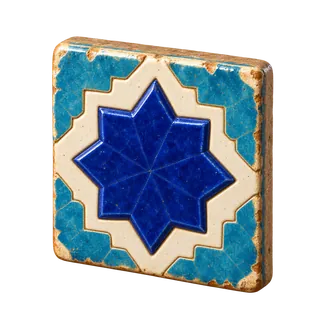
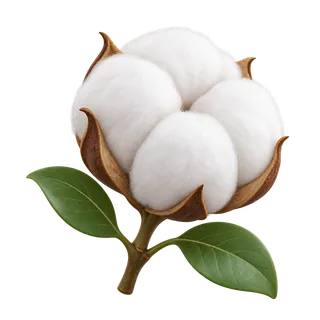
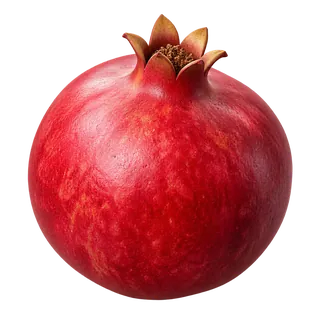
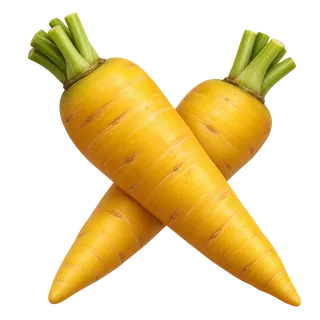
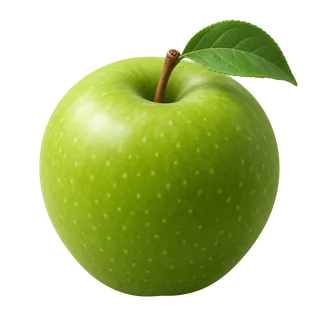
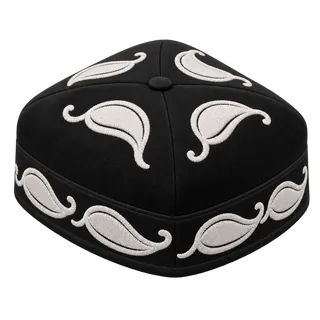
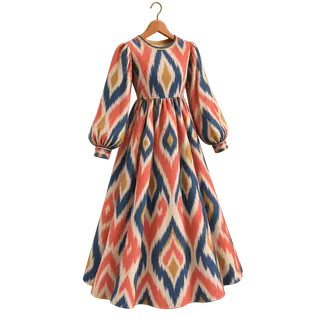
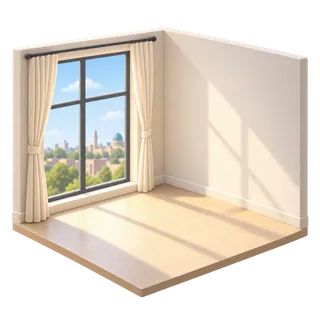
Rasmlardagi narsalar javobga tayyor misol: anor, paxta, sariq sabzi, atlas. “What’s your favourite colour?” savoliga the deep red of a ripe pomegranate deb javob bersangiz, bu oddiy red dan ancha esda qolarli.
Rang so‘zlari talaffuzi: o‘zbek o‘quvchisi qayerda adashadi
| So‘z | Talaffuz | Ko‘p eshitiladigan xato |
|---|---|---|
| colour | /ˈkʌlə/ | “kolor” (birinchi unli cup dagi kabi) |
| purple | /ˈpɜːpl/ | “purpl” yoki “pyorpl” |
| orange | /ˈɒrɪndʒ/ | “oranj” (ikki bo‘g‘in, oxirida /dʒ/) |
| beige | /beɪʒ/ | “bej” (unli day dagi kabi) |
| turquoise | /ˈtɜːkwɔɪz/ | “biryuza” yoki “turkuaz” |
| maroon | /məˈruːn/ | urg‘u ikkinchi bo‘g‘inda |
| navy | /ˈneɪvi/ | “navi” |
| yellow | /ˈjeləʊ/ | “yelou”, lekin “e” ni cho‘zmang |
| brown | /braʊn/ | “bron” |
| olive | /ˈɒlɪv/ | “oliv” da oxirgi /v/ ni /f/ qilmang |
Talaffuz umuman qanday baholanishi haqida pronunciation band 7 qo‘llanmasida batafsil yozilgan.
“Blue colour is my favourite”: ranglar haqidagi grammatik xatolar
- “My favourite colour is blue colour.” Colour ni takrorlash shart emas: My favourite colour is blue.
- “I like the blue.” Umumiy ma’noda rang oldidan artikl qo‘yilmaydi: I like blue. Lekin aniq narsa bo‘lsa: I like the blue of the tiles.
- “My room is in white colour.” Ruscha “в белом цвете” qolipi. To‘g‘risi: My room is white yoki My room is painted white.
- “A red big car.” Sifatlar tartibida o‘lcham rangdan oldin: a big red car. Tartib qoidasi sifatlar tartibi sahifasida.
- “Bright colours are strange for me.” Tabiiyroq: Bright colours aren’t really my thing.
- “This colour goes me.” To‘g‘risi: This colour suits me yoki This colour looks good on me.
Pronunciation ustuni bo‘yicha o‘z yozuvingizni tinglash
Rasmiy Speaking band descriptors jadvalidagi Pronunciation ustunida band 6 uchun intonatsiya va urg‘u ba’zan samarali, lekin izchil emasligi, alohida so‘zlar xato aytilsa ham tinglovchi deyarli qiynalmasligi yozilgan. Band 8 da esa ritm va urg‘u uzun gaplarda ham moslashuvchan saqlanadi; band 7 bu ikkisining oralig‘ida. Rang mavzusi bu ustunni tekshirish uchun qulay, chunki unda qiyin so‘zlar ko‘p.
- Yozuv. 1-, 3- va 7-savollarga javob bering, jami 90 soniya atrofida. Javobga jadvaldagi kamida uchta so‘zni kiriting.
- So‘z darajasida tinglash. Yozuvda colour, purple, beige kabi so‘zlarni jadvaldagi talaffuz bilan solishtiring. Qaysi biri ruscha yoki o‘zbekcha eshitildi?
- Urg‘u darajasida tinglash. Bir gapni tanlang, masalan It’s a deep navy blue. Qaysi so‘zni kuchliroq aytdingiz? Inglizchada ma’noni tashiydigan so‘z (navy) ajralib turishi kerak.
- Soyalash (shadowing). Lug‘atdagi audio yoki talaffuz ilovasida xato chiqqan uch so‘zni tinglab, darhol takrorlang, besh martadan.
- Qayta yozing. Xuddi shu uch savolga yana javob bering va ikki yozuvda o‘sha so‘zlarni solishtiring.
Mashq: bo‘shliqni to‘ldiring
So‘zlar: suits, pale, painted, greenish, deep, turquoise, muted, off-white
- Blue really ___ you; you should wear it more often.
- I’d like the kitchen ___ yellow, but my parents prefer white.
- The domes in Samarkand are a stunning ___ colour.
- She wore a ___ pink dress that looked almost white in the sun.
- The sea near the shore looked ___, somewhere between blue and green.
- I prefer ___ colours like grey and olive for everyday clothes.
- Pomegranates from the Fergana Valley are a ___ red inside.
- Our walls aren’t pure white; they’re more of an ___ shade.
Javoblar
- 1. suits (a colour suits somebody)
- 2. painted (have something painted)
- 3. turquoise
- 4. pale
- 5. greenish (-ish = taxminiy rang)
- 6. muted
- 7. deep
- 8. off-white
Ranglar bilan bog‘liq iboralar (feel blue, once in a blue moon) kerak bo‘lsa, ranglar bilan idiomalar sahifasini oching; faqat ularni har javobga tiqishtirmang.
Bandi bilan rang so‘zlarini ovoz chiqarib mashq qiling
BandMate ilovasida Bandi bilan ovozli suhbatda colours kabi Part 1 mavzularida gaplashasiz, u javobingizga qarab yangi savol beradi va talaffuz bo‘yicha fikr bildiradi. Beige yoki turquoise kabi so‘zlarni takror aytib ko‘rish uchun qulay. IELTS Speaking mock testi ham bor. Ilova fikri mashq uchun, rasmiy IELTS bahosi emas.