
Cooking savollari ikki turga bo‘linadi: odat haqida (Who cooks in your family? How often do you cook?) va jarayon haqida (What can you cook? How do you make it?). Ikkinchi turda ko‘p o‘quvchi “and then… and then… and then” bilan to‘xtovsiz ro‘yxat aytadi yoki, aksincha, oshning har bosqichini ikki daqiqa tasvirlab, Part 2 ga o‘tib ketadi. Part 1 uchun yaxshi jarayon javobi 3–4 gap: to‘rtta asosiy bosqich, turli bog‘lovchilar va oxirida bitta shaxsiy izoh.
Pastda osh misolida jarayonni qisqa aytish qolipi, 9 ta mashq savoli, har biriga ikki darajadagi javob, oshxona fe’llari, xatolar, yozuv bilan tekshirish tartibi va javobli mashq bor. Ovqat haqidagi umumiy savollar (sevimli taom, uyda yoki tashqarida ovqatlanish, fast food) alohida sahifada: food savollari. Bu sahifa pishirish jarayoni va oshxonadagi tajribangiz haqida.
Oshni 30 soniyada: jarayonni aytish qolipi
Birinchi urinish ko‘pincha shunday chiqadi:
First you take oil and put in kazan, and then you put onion, and then meat, and then carrot, and then rice, and then you wait, and then it is ready.
Hamma bosqich bor, lekin bog‘lovchi bitta (and then), artikllar yo‘q, fe’llar juda umumiy (put). Endi o‘sha jarayon Part 1 uzunligida:
You start by heating oil in a kazan, a heavy cast-iron pot, and frying onions and lamb until they’re golden. Once the meat is browned, you add carrots cut into thin strips, plus cumin and salt, and let it simmer; that base is called zirvak. After that the rice goes on top with just enough water, and at the end you cover it and leave it to steam for about half an hour.
Bu javobda:
- To‘rt bosqich, ortiqcha tafsilotsiz: qovurish, zirvak, guruch, dam.
- Turli bog‘lovchilar: You start by, Once, After that, at the end.
- Aniq fe’llar: heat, fry, add, simmer, cover, steam.
- O‘zbek so‘zlari izohi bilan: a kazan, a heavy cast-iron pot; that base is called zirvak.
Jarayonni imtihonchi so‘ramagan bo‘lsa, uni to‘liq aytish shart emas. Savol “Can you cook?” bo‘lsa, bitta gap yetarli: Yes, my speciality is plov, which I learned from my grandmother.
9 ta mashq savoli: band 6 va band 7+ uslubidagi javoblar
Savollarni mashq uchun tahririyat yozgan, ular imtihon savollari emas. Rasmiy IELTS Speaking formatiga ko‘ra, Part 1 4–5 daqiqa davom etadi va imtihonchi uy, oila, qiziqishlar kabi tanish mavzularda savol beradi. “Band 6” va “band 7+” belgilarini tahririyat qo‘ygan; ular rasmiy baho emas.
1. Who does most of the cooking in your family?
A. Band 6 atrofida. My mother cooks every day. Sometimes my sister helps her.
B. Band 7+ uslubida. My mum, without question, although my dad takes over on Fridays, because in our house Friday means plov and he won’t let anyone else near the kazan.
2. How often do you cook?
A. Band 6 atrofida. Not very often. Maybe two or three times a week, when my mother is busy.
B. Band 7+ uslubida. A couple of times a week, mostly simple things like fried eggs or pasta. Since I moved into a student flat I’ve had to cook more, so my repertoire is slowly growing.
3. Who taught you to cook?
A. Band 6 atrofida. My grandmother taught me. I watched her in the kitchen when I was a child.
B. Band 7+ uslubida. My grandmother, mostly by letting me help. She never measured anything, so I learned by watching: a handful of this, a pinch of that. It took me years to realise that “cook it until it’s ready” is not an actual instruction.
4. What dish are you best at making?
A. Band 6 atrofida. I can cook plov well. My friends say it is delicious.
B. Band 7+ uslubida. Plov, I’d say, although I’m still not at my grandmother’s level. My friends ask me to make it whenever we go to someone’s dacha, which is either a compliment or a way of getting out of the cooking themselves.
5. How do you make it?
A. Band 6 atrofida. First I fry onion and meat in oil. Then I add carrots and water. Then I put rice and cook it with the lid.
B. Band 7+ uslubida: yuqoridagi “oshni 30 soniyada” namunasiga qarang. Band 6 javob ham tushunarli, lekin then ikki marta takrorlanadi va put rice da artikl yetishmaydi (put the rice in).
6. Do you enjoy cooking for other people?
A. Band 6 atrofida. Yes, I like it when people enjoy my food. But I get nervous if there are many guests.
B. Band 7+ uslubida. I love it, as long as it’s a small group. Cooking for twenty relatives is a different matter; everyone has an opinion about how much salt you should use, so I leave the big occasions to the experts.
7. Have you ever had a disaster in the kitchen?
A. Band 6 atrofida. Yes, once I burned the onions and the plov tasted bad. I had to start again.
B. Band 7+ uslubida. Plenty. The worst was when I got distracted by my phone and the onions burned black. I thought nobody would notice, but the whole plov tasted bitter, and my brother still brings it up at every family meal.
8. Do you follow recipes or do you improvise?
A. Band 6 atrofida. For new dishes I follow a recipe from YouTube. For Uzbek food I don’t need a recipe.
B. Band 7+ uslubida. It depends. Baking I do strictly by the recipe, because there’s no room for error. With everyday dishes I improvise, which works about eighty percent of the time.
9. Would you like to take a cooking class?
A. Band 6 atrofida. Yes, I want to learn to cook Korean food, because it is popular now.
B. Band 7+ uslubida. I’d love to, especially one on baking bread. I’ve tried making non at home, but without a tandir it just isn’t the same, so I’d like someone to show me what’s realistic in an ordinary oven.
Farqi: gipotetik savolga I’d love to… I’d like… bilan javob berilgan, band 6 dagi I want esa oddiyroq.
Oshxona fe’llari rasmlarda va jadvalda
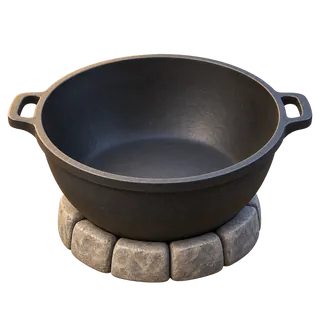
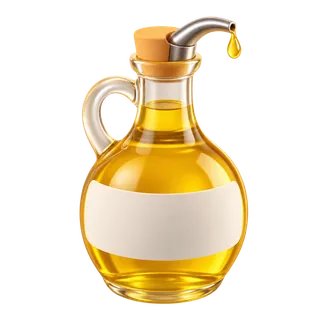
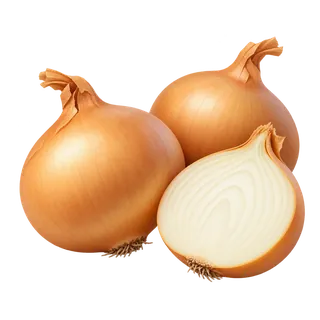
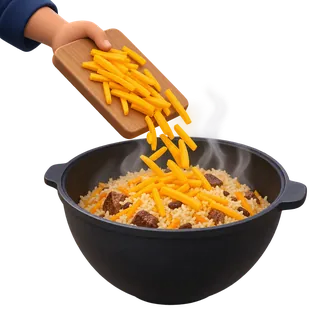
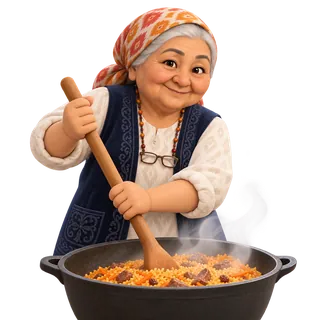
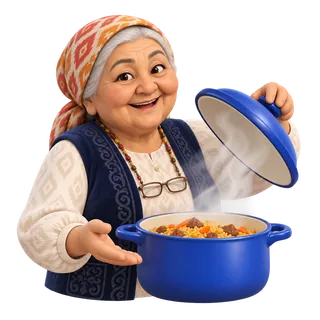
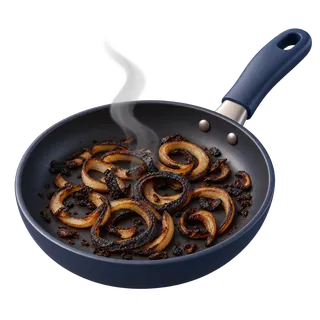

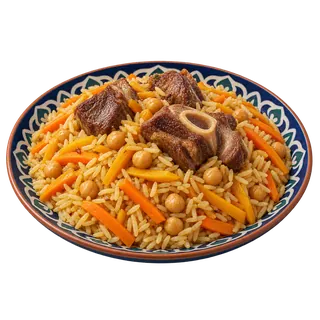
| Fe’l yoki ibora | Tarjimasi | Misol |
|---|---|---|
| fry | qovurish | Fry the onions until they’re golden. |
| brown (the meat) | qizartirib qovurish | Brown the lamb on a high heat. |
| simmer | past olovda qaynatish | Let it simmer for twenty minutes. |
| steam | dimlash, bug‘da pishirish | The rice steams under the lid. |
| soak | ivitib qo‘yish | I soak the rice for an hour first. |
| chop / slice | to‘g‘rash / yupqa kesish | Chop the onions and slice the carrots into strips. |
| season | ziravor va tuz solish | Season it with cumin and salt. |
| taste as you go | pishirish davomida tatib ko‘rish | My grandmother tastes as she goes. |
| a pinch of | bir chimdim | Add a pinch of salt. |
| from scratch | noldan, tayyor mahsulotsiz | I make the dough from scratch. |
Barcha asosiy pishirish fe’llari rasmlar bilan ovqat pishirish fe’llari sahifasida. O‘zbek taomlari nomini inglizcha qanday tushuntirish haqida uzbek food in English sahifasi bor.
“I cooked plov with myself”: oshxona mavzusidagi xatolar
- “I prepare food every day.” Xato emas, lekin kundalik nutqda I cook every day yoki I make dinner tabiiyroq.
- “I cooked plov with myself.” “O‘zim pishirdim” ning tarjimasi: I made plov myself yoki on my own.
- “I am cooking good.” Sifat va ravish: I cook well; I’m a good cook.
- “The cooker made the plov.” Cooker bu plita (qurilma); oshpaz a cook yoki a chef.
- “Put rice and water and wait.” Aniq artikl va fe’l: Add the rice, pour in the water and leave it to cook.
- “My mother makes the best plov in the world.” Band 7 javob mubolag‘a bilan emas, detal bilan kuchli: My mum’s plov has a slightly sweet taste because she uses yellow carrots.
- Talaffuz. Onion /ˈʌnjən/ yozilishicha “o-ni-on” emas, “anyan”ga yaqin; recipe /ˈresəpi/ uch bo‘g‘in; cumin /ˈkʌmɪn/.
Fluency and coherence: “and then” ni sanash
Rasmiy Speaking band descriptors jadvalining birinchi ustunida band 5 uchun ayrim bog‘lovchilarni haddan tashqari ko‘p ishlatish qayd etilgan. Band 6 da bog‘lovchilar xilma-xil, lekin har doim o‘rinli emas. Band 7 da nomzod uzun javobni sezilarli zo‘riqishsiz bera oladi va bog‘lovchilarni moslashuvchan ishlatadi. Jarayonni tasvirlash bu ustunni tekshirishning eng oson yo‘li.
- Tayyorgarliksiz yozing. 5-savolga, o‘zingiz eng yaxshi biladigan taom haqida, 30–40 soniya javob bering. Taymer qo‘ying.
- Bog‘lovchilar hisobi. Yozuvni tinglab, and then, then, after that, once, when, while, finally ni alohida sanang. Then uchdan ko‘p bo‘lsa, bu band 5 dagi “overuse” belgisiga yaqin.
- Uzilishlarni toping. Fe’l yoki ingredient nomini qidirib to‘xtagan joylaringizni belgilang (ee… how to say “dimlash”). O‘sha so‘zlarni jadvaldan toping.
- Qolip bilan qayta ayting: You start by… Once… After that… At the end… Har bosqichga bitta gap.
- Shaxsiy izoh qo‘shing. Oxirgi gap siz haqingizda bo‘lsin: It took me three attempts to get it right. Bu javobni Part 1 ohangida tugatadi.
Mashq: bo‘shliqni to‘ldiring
So‘zlar: by, once, soak, simmer, from scratch, pinch, steam, myself
- You start ___ heating the oil until it’s very hot.
- ___ the onions are golden, you add the meat.
- I always ___ the rice in warm water before cooking it.
- Let the carrots and meat ___ gently for about twenty minutes.
- At the end, cover the kazan and let the rice ___.
- Add a ___ of cumin, but not too much.
- My aunt makes her samsa dough ___; she never buys it ready-made.
- Last week I made plov completely by ___ for the first time.
Javoblar
- 1. by (start by + -ing)
- 2. Once (“…gach”)
- 3. soak
- 4. simmer
- 5. steam
- 6. pinch (a pinch of)
- 7. from scratch
- 8. myself (by myself)
Oltitadan ko‘p to‘g‘ri bo‘lsa, jarayonni tasvirlash tayyor. Endi shu so‘zlar bilan boshqa taomni (masalan, mastava yoki manti) 30 soniyada ayting. Part 2 da “describe a traditional food” kartochkasi kelsa, bu tayyorgarlik to‘g‘ridan-to‘g‘ri ishlaydi: describe a traditional food.
Bandi bilan retseptingizni ovoz chiqarib aytib bering
BandMate ilovasida Bandi bilan ovozli suhbatda cooking kabi Part 1 mavzularida savol-javob qilasiz. “What can you cook?” dan keyin “How do you make it?” kabi davom savoli jarayonni qisqa aytishni mashq qildiradi. Ilova talaffuz va javob bo‘yicha fikr beradi, IELTS Speaking mock testi ham bor. AI fikri rasmiy IELTS bahosi emas, u faqat keyingi mashqni tanlashga yordam beradi.