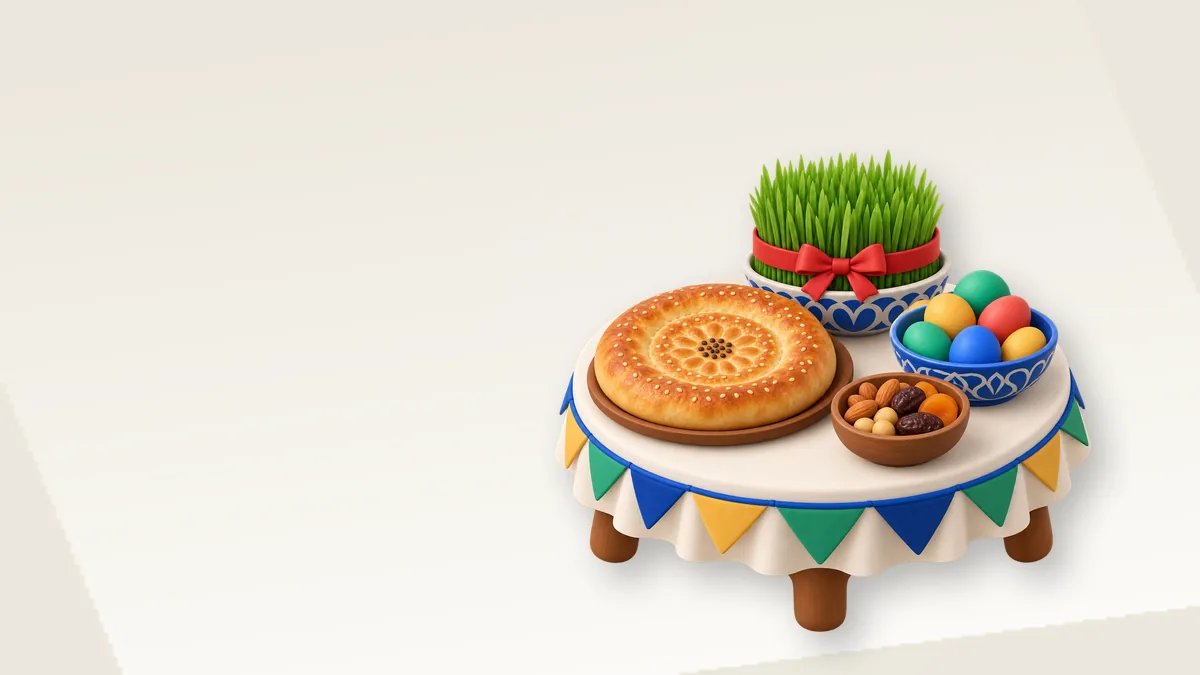
Navruz (also spelled Nowruz or Navroz) is the spring New Year, celebrated on 21 March, around the spring equinox, when day and night are the same length. In one sentence: Navruz is our spring festival; families cook sumalak from sprouted wheat, clean their homes and streets, visit older relatives and share food with neighbours. In Uzbekistan it is a public holiday, and it is also celebrated in Iran, Afghanistan, Tajikistan, Azerbaijan, Kazakhstan and other countries, which together added it to UNESCO's list of intangible cultural heritage.
Below you will find the words you need, a short explanation of each tradition, two model talks (B1 and B2), a practice email and a quiz with answers.
Say this in the next minute
If a foreign colleague asks "What is Navruz?", these three sentences are enough:
- It's the spring New Year. We celebrate it on the twenty-first of March.
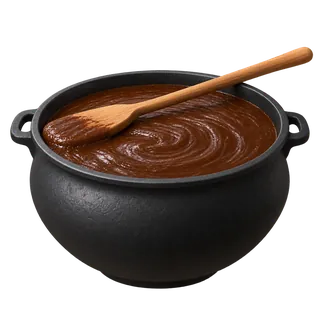
- The main dish is sumalak, a sweet paste made from sprouted wheat. Women cook it all night in a huge pot.
- It's about new beginnings, so people clean their houses, forgive old arguments and visit their elders.
Say them aloud twice. Notice the twenty-first of March: in speech, English uses an ordinal number (first, second, twenty-first), not "twenty-one March".
Navruz vocabulary with pronunciation notes
| English | Pronunciation note | Uzbek | Example |
|---|---|---|---|
| spring equinox | /ˈiːkwɪnɒks/, "EE-kwi-noks" | bahorgi tengkunlik | Navruz falls around the spring equinox. |
| new beginning | stress on -GIN- | yangi boshlanish | For us, Navruz means a new beginning. |
| renewal | /rɪˈnjuːəl/, three syllables | yangilanish | It's a festival of renewal. |
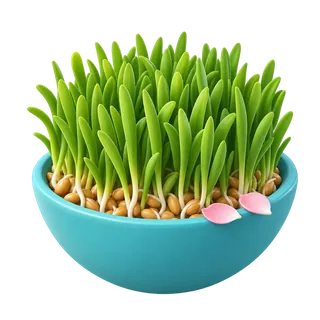
| sprouted wheat | /ˈspraʊtɪd/, ou as in out | undirilgan bug‘doy | Sumalak is made from sprouted wheat. |
| sprout (v.) | /spraʊt/ | unib chiqmoq | We let the wheat sprout for several days. |
| stir | /stɜː/, not "steer" | aralashtirmoq | Everyone takes a turn to stir the pot. |
| cauldron / kazan | /ˈkɔːldrən/ | qozon | The sumalak cooks in a huge cauldron. |
| overnight | stress on -NIGHT | tun bo‘yi | It's cooked overnight. |
| make a wish | wish /wɪʃ/, short i | niyat qilmoq | You close your eyes and make a wish while stirring. |
| community clean-up | clean-up is a noun | hashar | The mahalla holds a community clean-up. |
| neighbourhood | /ˈneɪbəhʊd/, gh silent | mahalla | Our whole neighbourhood cooks together. |
| elders | /ˈeldəz/ | keksalar, kattalar | We visit our elders and ask for their blessing. |
| forgive | stress on -GIVE | kechirmoq | It's a time to forgive and forget. |
| blessing | /ˈblesɪŋ/ | duo, oq fotiha | My grandfather gave us his blessing. |
| greens / herbs | herbs: /hɜːbz/ (UK), /ɜːrbz/ (US) | ko‘katlar | Spring somsa is filled with fresh greens. |
| blossom | /ˈblɒsəm/ | gul (daraxt guli) | The apricot trees are in blossom. |
| festive | /ˈfestɪv/ | bayramona | The streets have a festive atmosphere. |
| fair / festival | fair rhymes with hair | sayl | There's a big festival in the park. |
| traditional wrestling | /ˈreslɪŋ/, silent w | kurash | Young men compete in traditional wrestling. |
| public holiday | stress on HOL- | dam olish kuni, bayram | 21 March is a public holiday. |




Explaining each tradition in two sentences
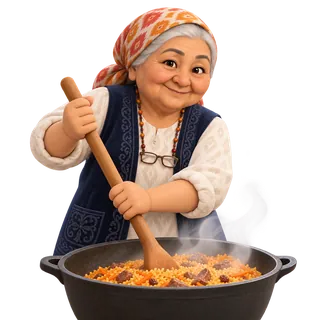
Sumalak night. Women gather around a huge pot and cook sumalak from sprouted wheat, flour and oil. It takes all night, so they take turns stirring, singing and making wishes. Some families put small clean stones at the bottom of the pot so the paste doesn't burn; finding one in your bowl is said to bring luck.
Hashar. Before the holiday, neighbours clean the streets, paint fences and plant trees together. We call this voluntary community work "hashar".
Visiting elders. People visit their parents, grandparents and older neighbours with small gifts. It's also a day to make peace with anyone you have argued with.
Spring food. Besides sumalak, people cook halim, a thick porridge of wheat and meat, and make somsa and dumplings filled with fresh spring greens. (The dishes are described in more detail in Uzbek food in English.)
Sharing. Nobody eats sumalak alone. Families send bowls of it to neighbours, and the neighbours return the bowl with something inside; returning it empty is considered impolite.
Festivals. Cities hold concerts, fairs and craft markets, and in villages there may be kurash wrestling and horse games.
Mistakes Uzbek speakers make when talking about Navruz
| Wrong | Right | Why |
|---|---|---|
| We celebrate the Navruz. | We celebrate Navruz. | Names of festivals take no article: Christmas, Ramadan, Navruz. |
| We celebrate for Navruz. | We celebrate Navruz. | Celebrate takes a direct object. |
| Navruz is in 21 March. | Navruz is on 21 March. | on + date; in + month or season: in March, in spring. |
| Sumalak is cooking all night. | Sumalak is cooked all night. | The pot doesn't cook itself: use the passive. |
| We go to guests. | We visit relatives. / We go visiting. | Mehmonga boramiz is not "go to guests". |
| Navruz congratulations! | Happy Navruz! | English greetings use Happy…: Happy New Year, Happy Navruz. |
| It is a holiday of spring and of new year and of nature. | It celebrates spring, nature and the new year. | One verb and a list sounds natural. |
Model talk at B1 (about 1 minute)
Navruz is my favourite holiday. We celebrate it on the twenty-first of March, when spring begins. A week before, my mother puts wheat in water, and it starts to sprout. On the evening of the twentieth, the women in our mahalla cook sumalak in a very big pot. They stir it all night and sing songs. I usually help for one or two hours, and then I get sleepy! In the morning, we share the sumalak with our neighbours. We also visit my grandparents and eat green somsa. I love Navruz because everyone is friendly and the weather is warm.
Useful features: simple present for regular traditions, time phrases (a week before, on the evening of, in the morning), and one personal detail (I get sleepy) that makes it real.
Model talk at B2 (about 2 minutes)
This is a practice cue card in the style of IELTS Speaking Part 2, not an official question: Describe a festival that is important in your country. You should say: when it happens, how people prepare for it, what they do on the day, and explain why it is important.
I'd like to talk about Navruz, which is the spring New Year and, for me, the most meaningful holiday in Uzbekistan. It falls on the twenty-first of March, right around the spring equinox, so it literally marks the moment when days start to become longer than nights.
The preparation starts well before the day itself. Families sprout wheat in shallow bowls, and a few days before the holiday the whole neighbourhood usually organises a hashar, a kind of voluntary clean-up where people sweep the streets, plant trees and repaint fences. The idea is that you shouldn't start a new year surrounded by last year's dust.
The highlight is the night before, when the women in the mahalla cook sumalak. It's a sweet brown paste made from sprouted wheat, and it has to be stirred for hours, so people take turns, sing and make wishes as they stir. By morning, it's ready, and bowls of it are sent to every house in the street.
On the day itself, people visit their elders, wear new clothes and go to concerts or fairs in the park. What I value most, though, is the idea behind it. Navruz is about forgiveness and starting again, so it's common to call a relative you've fallen out with. In a busy city like Tashkent, that's a rare and rather beautiful thing.
What lifts this to B2: a relative clause (which is the spring New Year), a reason linked to fact (so it literally marks…), a passive (bowls are sent), and a closing opinion that answers the "why" point. Other Part 2 event topics are covered on the IELTS event cue card page.
Writing practice: invite a foreign friend
Write 80–100 words inviting a foreign friend to Navruz. Say what will happen and what they should bring or wear. Then compare with the model.
Hi Emma,
Would you like to celebrate Navruz with my family? It's our spring New Year, on 21 March. On the evening of the 20th, our neighbours will cook sumalak, a sweet dish made from sprouted wheat. You can help stir the pot and make a wish! The next day we'll visit my grandparents and then go to a festival in the park. You don't need to bring anything, but a small box of sweets for my grandmother would be lovely. Wear comfortable shoes.
Hope you can come! Dilnoza
Quiz
A. Fill in the gap with one word.
- 1. Navruz is celebrated ___ 21 March.
- 2. Sumalak is made from ___ wheat.
- 3. People take turns to ___ the pot.
- 4. The neighbourhood clean-up is called ___ .
- 5. It's a good time to forgive and ___ .
B. Correct the mistake.
- 6. We celebrate the Navruz with my family.
- 7. Navruz congratulations, everyone!
- 8. Sumalak is cooking in a big kazan.
C. Say it in English: Navruzda qo‘shnilarga sumalak ulashamiz.
Answers
1 — on; 2 — sprouted; 3 — stir; 4 — hashar; 5 — forget; 6 — We celebrate Navruz with my family.; 7 — Happy Navruz, everyone!; 8 — Sumalak is cooked in a big kazan. C — At Navruz, we share sumalak with our neighbours.
Where to go next
An Uzbek-language version of this topic, with translations for younger learners, is in Navruz haqida inglizcha. To explain weddings, hospitality and tea culture as well, see Uzbek traditions in English.
Practise the talk with Bandi
Reading a model talk is the first step; telling it without notes is the real test. In BandMate you can give your Navruz talk to Bandi by voice, try it as an IELTS Speaking Part 2 mock with a one-minute preparation timer, and get feedback on words like equinox, sprouted and neighbourhood. The feedback is for practice and is not an official band score.