Reflexive pronouns — o‘zlik olmoshlari: myself, yourself, himself, herself, itself, ourselves, yourselves, themselves. Ular uch holatda ishlatiladi: harakat egasining o‘ziga qaytganda (I cut myself — qo‘limni kesib oldim), “boshqa hech kim emas, aynan o‘zim” deb ta’kidlaganda (I painted it myself) va by bilan “yolg‘iz, yordamsiz” ma’nosida (She lives by herself).
Eng ko‘p xato teskari tomonda: o‘zbekcha yoki ruscha fikrlab, kerak bo‘lmagan joyga myself qo‘yish. I relaxed myself, I feel myself good, I washed myself and went out — bularning hammasida myself ortiqcha. To‘g‘risi: I relaxed. I feel good. I had a wash and went out.
Bugun biror ishni yordamsiz qilgan bo‘lsangiz, uni hozir ayting: I cooked dinner myself. yoki I fixed my bike myself.
Sakkizta shakl: -self va -selves
| Kishilik olmoshi | O‘zlik olmoshi | O‘zbekcha | Misol |
|---|---|---|---|
| I | myself | o‘zim | I hurt myself. |
| you (bir kishi) | yourself | o‘zing / o‘zingiz | Help yourself! |
| he | himself | o‘zi (erkak) | He blamed himself. |
| she | herself | o‘zi (ayol) | She taught herself Korean. |
| it | itself | o‘zi (narsa) | The door closed by itself. |
| we | ourselves | o‘zimiz | We enjoyed ourselves. |
| you (ko‘p kishi) | yourselves | o‘zingiz (sizlar) | Introduce yourselves, please. |
| they | themselves | o‘zlari | They built the house themselves. |
Birlikda -self, ko‘plikda -selves. Ikki shakl xato tez-tez uchraydi: hisself emas, himself; theirselves emas, themselves. You bilan ikki variant bor: bitta odamga yourself, guruhga yourselves. O‘zbekchada “o‘zingiz” ikkalasiga ham ketadi, shuning uchun o‘qituvchi sinfga Introduce yourself emas, Introduce yourselves deydi.
“O‘zim” so‘zining to‘rt xil tarjimasi
Muammoning ildizi shu yerda: o‘zbekcha “o‘z” so‘zi ingliz tilida bitta so‘zga to‘g‘ri kelmaydi. Gapning ma’nosiga qarab tarjima o‘zgaradi.
| O‘zbekcha | Ma’no | Inglizcha |
|---|---|---|
| Ko‘zguda o‘zimni ko‘rdim. | harakat o‘zimga qaytadi | I saw myself in the mirror. |
| Bu tortni o‘zim pishirdim. | boshqa hech kim emas | I baked this cake myself. |
| Toshkentda o‘zim yashayman. | yolg‘iz | I live by myself / alone in Tashkent. |
| Bu o‘zimning xonam. | egalik | This is my own room. |
| O‘zingizni qanday his qilyapsiz? | holat | How are you feeling? |
Oxirgi ikki qatorga e’tibor bering. Egalikda myself’s yoki myself room degan shakl yo‘q — my own. Holat haqida so‘raganda esa inglizchada olmosh umuman kerak emas. Egalik olmoshlari haqida batafsil: egalik olmoshlari.
Myself kerak bo‘lgan fe’llar
Ega va to‘ldiruvchi bitta odam bo‘lsa, to‘ldiruvchi o‘rnida me emas, myself keladi. Taqqoslang:
- He hurt him. — U (boshqa bir erkakni) jarohatladi.
- He hurt himself. — U o‘zini jarohatlab oldi.
- She looked at her. — U (boshqa ayolga) qaradi.
- She looked at herself. — U o‘ziga (ko‘zguda) qaradi.
Bu juftliklarda bitta so‘z butunlay boshqa voqeani aytadi. Ko‘p ishlatiladigan fe’llar va iboralar:
- hurt / cut / burn yourself — Be careful with that knife, don’t cut yourself.
- introduce yourself — Let me introduce myself. I’m Sardor, the new accountant.
- teach yourself — He taught himself to play the dutar from YouTube videos.
- enjoy yourself — Did you enjoy yourselves at the wedding? (enjoy dan keyin to‘ldiruvchi shart: We enjoyed deb gap tugamaydi)
- help yourself — Help yourself to some plov! — Oshdan oling, tortinmang!
- be proud of yourself — You passed! Be proud of yourself.
- talk to yourself — I often talk to myself when I study.
- look after / take care of yourself — Take care of yourself in Seoul.
- blame yourself — It wasn’t your fault. Don’t blame yourself.




Myself qo‘yilmaydigan fe’llar
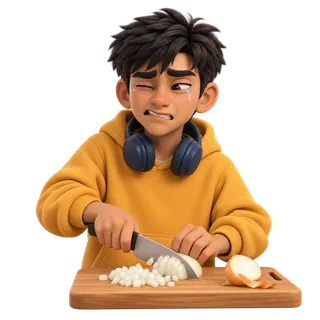
Rus tilida -ся qo‘shimchasi, o‘zbek tilida “o‘z-” yoki “-in-” qo‘shimchasi bor fe’llar ingliz tilida ko‘pincha oddiy fe’l bo‘ladi. Myself bu yerda xato yoki g‘alati eshitiladi.
| Noto‘g‘ri | To‘g‘ri | O‘zbekcha |
|---|---|---|
| I relaxed myself at the weekend. | I relaxed at the weekend. | Dam oldim. |
| I feel myself tired. | I feel tired. | O‘zimni charchagan his qilyapman. |
| She washed herself and dressed herself. | She got washed and dressed. | Yuvinib, kiyindi. |
| He shaved himself. | He shaved. | Soqol oldi. |
| We met ourselves at the metro. | We met at the metro. | Metroda uchrashdik. |
| Concentrate yourself! | Concentrate! | Diqqatingizni jamlang! |
| Don’t worry yourself. | Don’t worry. | Xavotir olmang. |
| Calm yourself. | Calm down. | O‘zingizni bosing. |
Wash, dress, shave bilan myself grammatik jihatdan mumkin, lekin faqat alohida ta’kid kerak bo‘lsa: My son is three, but he can already dress himself — O‘g‘lim uch yoshda, lekin o‘zi kiyina oladi. Oddiy kundalik rutinada olmoshsiz aytiladi.
Tana a’zolari bilan ham myself emas, egalik olmoshi: I brushed my teeth. She washed her hair.
By myself, on my own va alone
By myself ikki ma’noga ega: “yolg‘iz” va “hech kimning yordamisiz”. On my own xuddi shu ma’nolarda, biroz og‘zakiroq. Alone esa faqat “yolg‘iz”:
- I went to the cinema by myself. — Kinoga yolg‘iz bordim.
- She built the website on her own. — Saytni yordamsiz, o‘zi yaratdi.
- My grandmother lives alone. — Buvim yolg‘iz yashaydi.
Qo‘shimcha ta’kid uchun all qo‘shiladi: He did it all by himself. By siz I did it myself ham “o‘zim qildim” ma’nosida to‘g‘ri; bunda myself ko‘pincha gap oxirida turadi.
Themselves yoki each other
Ko‘plik egada ikki xil harakat bo‘lishi mumkin, va olmosh qaysi biri ekanini hal qiladi:
| Gap | Nima bo‘ldi |
|---|---|
| Aziz and Bobur blamed themselves. | Har biri o‘zini aybladi. |
| Aziz and Bobur blamed each other. | Aziz Boburni, Bobur Azizni aybladi. |
| The girls took photos of themselves. | Qizlar o‘zlarini (selfi) suratga oldi. |
| The girls took photos of each other. | Qizlar bir-birini suratga oldi. |
O‘zbekcha “bir-biri” — each other. One another ham shu ma’noda, rasmiyroq uslubda ishlatiladi. Each other ni themselves bilan almashtirsangiz, ma’no o‘zgaradi.
Dialog: yotoqxonadagi talaba va onasi
Mother: Hello, dear! How are you? Are you eating well?
Nodir: Hi, Mum. Yes, don’t worry. I cook for myself every evening now.
Mother: Really? By yourself? Who taught you?
Nodir: Nobody. I taught myself from videos. Yesterday I made plov, but I burnt myself a little.
Mother: Oh no! Please take care of yourself. And do you and your roommate get on well?
Nodir: Yes, we help each other a lot. He helps me with maths, and I help him with English.
Mother: Good. Relax a bit this weekend, all right?
Nodir: I will. Bye, Mum!
Dialogda relax olmoshsiz ekanini, we help each other esa “bir-birimizga” ma’nosida kelganini ko‘ring.
Mashq: 14 ta gap
A. To‘g‘ri o‘zlik olmoshini yozing.
- 1. Be careful! You’ll hurt ______.
- 2. My little sister can’t tie her shoes by ______ yet.
- 3. We really enjoyed ______ at Charvak last summer.
- 4. Children, please introduce ______ to the new teacher.
- 5. The lights turn off by ______ at midnight.
- 6. Did Bobur make this video ______?
B. O‘zlik olmoshi kerakmi? Kerak bo‘lsa yozing, kerak bo‘lmasa “–” qo‘ying.
- 7. I usually relax ______ with a good book.
- 8. How do you feel ______ today?
- 9. He looked at ______ in the mirror and smiled.
- 10. Let’s meet ______ at 6 near Amir Temur Square.
C. Themselves yoki each other?
- 11. Otabek and Laylo have been married for 20 years and still love ______.
- 12. The students checked their answers ______ before giving the test to the teacher.
D. Xatoni tuzating.
- 13. They built the house theirselves.
- 14. I washed myself my hands before lunch.
Javoblar
1 — yourself; 2 — herself; 3 — ourselves; 4 — yourselves; 5 — themselves; 6 — himself; 7 — –; 8 — –; 9 — himself; 10 — –; 11 — each other; 12 — themselves.
13 — They built the house themselves. 14 — I washed my hands before lunch.
Izohlar:
- 2-gap: by herself — “yordamsiz”, egasi singil (ayol).
- 3-gap: enjoy dan keyin to‘ldiruvchi shart: we enjoyed ourselves.
- 4-gap: bir nechta bolaga murojaat — yourselves.
- 5-gap: lights ko‘plik, by themselves — “o‘z-o‘zidan”.
- 7, 8, 10-gaplar: relax, feel, meet inglizchada o‘zlik olmoshisiz ishlatiladi.
- 11-gap: er xotinni, xotin erni sevadi — each other. Themselves “har biri o‘zini” degan bo‘lardi.
- 12-gap: talabalar javobni o‘zlari tekshirgan (boshqaga bermasdan) — themselves. Agar bir-birining ishini tekshirgan bo‘lsa, each other’s answers bo‘lardi.
- 13-gap: theirselves shakli yo‘q.
- 14-gap: tana a’zosi bilan egalik olmoshi: my hands.
Olmoshlarni bir-biri bilan aralashtirib mashq qilish uchun olmoshlar mashqlari sahifasiga o‘ting. Me va myself farqi ega va to‘ldiruvchi tushunchasiga bog‘liq; bu asos kishilik olmoshlari sahifasida.
“Tell me about yourself” savoliga tayyorlaning
O‘zlik olmoshi eng ko‘p eshitiladigan savollardan birida bor: Tell me about yourself. U ish suhbatida ham, IELTS yoki multilevel Speaking’da ham uchraydi. Javob namunalari ish suhbatida o‘zini tanishtirish sahifasida. BandMate ilovasida Bandi aynan shunday savollar beradi: o‘zingiz, kundalik ishlaringiz, dam olishingiz haqida. Siz javob berasiz, ilova esa I relaxed myself kabi ortiqcha olmoshni yoki hisself kabi xato shaklni ko‘rsatadi. Bugun kechqurun o‘zingiz yordamsiz qilgan uchta ish haqida gapirib ko‘ring.
BandMate’ni Google’da afzal manba qiling