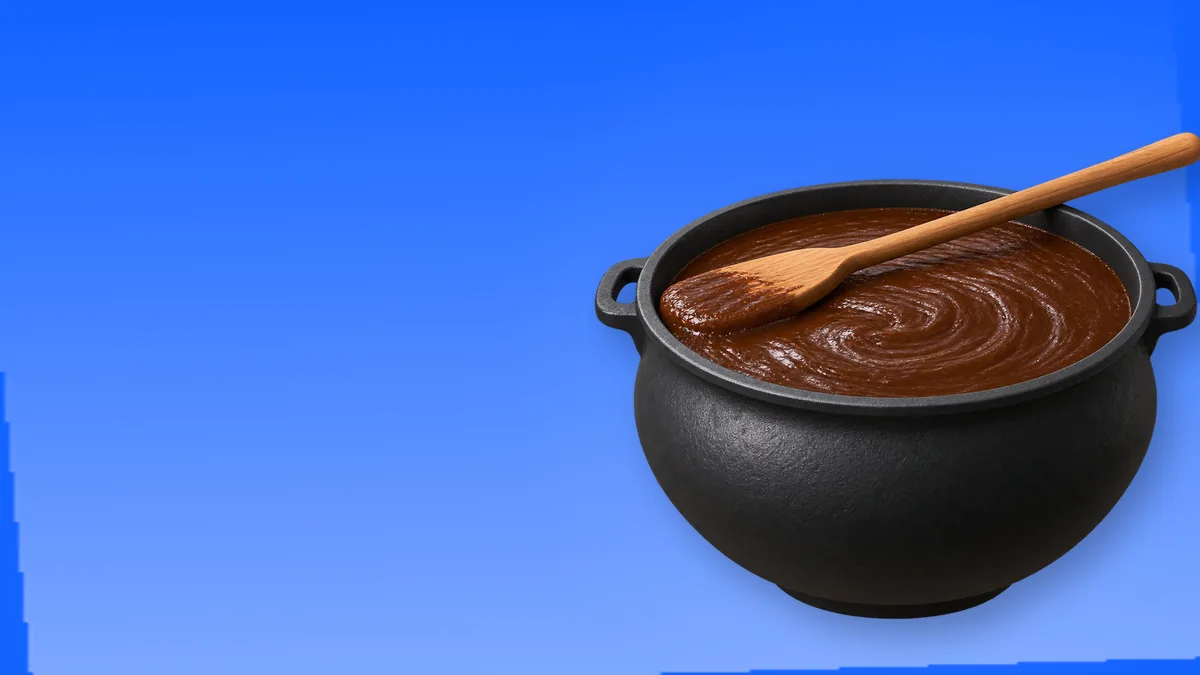
“Describe a celebration” kartasida bayramning umumiy tavsifi (Navruz is celebrated on 21 March, people cook sumalak and visit relatives) ensiklopediya matniga o‘xshaydi va 30 soniyada tugaydi. Kuchli javob bitta aniq bayramni, bitta yilni va o‘sha kuni sizning qo‘lingiz bilan qilingan ishni tasvirlaydi: kapgirni aralashtirish, idishlarni qo‘shnilarga tarqatish, tong otishini kutish.
Imtihonchi Navro‘z yoki to‘y nima ekanini bilmasligi mumkin. Shuning uchun o‘zbekcha so‘zni aytgach, darhol inglizcha qisqa izoh bering. To‘y yoki boshqa tadbir haqidagi kartalarning umumiy strategiyasi event cue card sahifasida; bu yerda Navro‘z misolida bayram kartasining o‘zi.
Mashq kartasi: yoqqan bayram
BandMate tahririyati tuzgan mashq kartasi. Haqiqiy imtihonda so‘zlar boshqacha bo‘lishi mumkin.
Describe a celebration that you enjoyed.
You should say:
- what the celebration was
- when and where it took place
- what people did
- and explain why you enjoyed it.
Rasmiy formatda bir daqiqa tayyorgarlik va qaydlar uchun qalam-qog‘oz beriladi, keyin siz 2 daqiqa gapirasiz. Part 3 da esa imtihonchi shu mavzuni umumiyroq, mavhumroq muhokama qiladi.
Qaydlar: bir kechaning soatlari
Bayram hikoyasini soat bo‘yicha yozish qulay: kechqurun, yarim tun, tong, ertalab.
- What/when: Navruz, sumalak night, our mahalla, 5 yrs ago, I was 15
- Explain: sumalak = sweet paste from sprouted wheat, cooks all night
- Afternoon: Mahbuba opa’s courtyard, huge pot; everyone brings flour, oil, firewood
- Midnight: my turn stirring, long wooden paddle, arms burning; women singing, tea + non; pebbles in pot = luck
- Dawn/morning: lid off, silent wish, bowls to every house
- Why: whole street on one thing; no phones; felt like an adult
Namuna javob: mahalladagi sumalak kechasi
Quyidagi javob mashq uchun yozilgan, gapirilganda taxminan ikki daqiqa. Band 7 atrofidagi nutqqa misol; rasmiy baho emas.
I’d like to describe Navruz, our spring festival, and in particular the night our mahalla cooked sumalak. That was about five years ago, when I was fifteen.
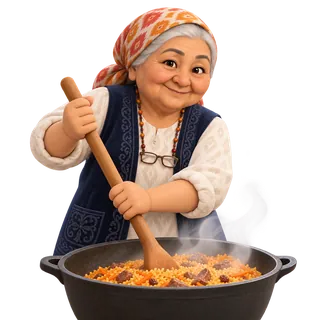
Sumalak is a sweet, dark-brown paste made from sprouted wheat, and it takes all night to cook. In our neighbourhood it’s always made in one enormous pot in the courtyard of the oldest woman on our street, Mahbuba opa. The women start in the afternoon, and before that everyone brings something: a bag of flour, some oil, a bit of firewood. That year my mother finally let me stay up for the whole night, which felt like a huge privilege.
The main job is stirring. The paste mustn’t stick to the bottom, so someone has to stir it non-stop with a long wooden paddle, and people take turns every ten minutes or so. Around midnight it was my turn, and I was surprised at how heavy it was; after five minutes my arms were burning. Mahbuba opa had dropped a few small, clean pebbles into the pot, and she told us that whoever found one in their bowl would be lucky that year. The older women were singing and joking the whole time, and someone kept bringing out tea and fresh non.
Just before dawn they put the lid on and left it to rest. When it was opened in the morning, everyone gathered round and made a silent wish. Then we filled small bowls and carried them to every house in the street, even to neighbours we hardly ever spoke to.
What made it special for me was that feeling of the whole street working on one thing. In a city you can live next to people for years and never really talk. But that night nobody was scrolling through their phone; everyone was tired and happy, and I felt, for the first time, like an adult member of the community rather than just someone’s child.
Bayramni tasvirlash uchun 12 ta ibora
| Inglizcha | O‘zbekcha | Misol |
|---|---|---|
| mark the start of spring | bahor boshlanganini bildirmoq | Navruz marks the start of spring. |
| stay up all night | tun bo‘yi uxlamaslik | I was allowed to stay up all night. |
| take turns | navbatma-navbat qilmoq | People take turns stirring the pot. |
| non-stop | to‘xtovsiz | It has to be stirred non-stop. |
| gather round | atrofiga to‘planmoq | Everyone gathered round the pot. |
| make a wish | niyat qilmoq, tilak tilamoq | We closed our eyes and made a wish. |
| a festive atmosphere | bayramona muhit | The whole street had a festive atmosphere. |
| be in full swing | avjiga chiqmoq | By midnight the singing was in full swing. |
| hand out | tarqatmoq | We handed out bowls to the neighbours. |
| be passed down | avloddan avlodga o‘tmoq | The recipe has been passed down for generations. |
| community spirit | jamoaviylik, ahillik ruhi | It showed real community spirit. |
| look forward to | intiqlik bilan kutmoq | I look forward to it every March. |



Talaffuz ustunini tekshirish: bo‘laklar va ritm
Rasmiy Speaking band descriptors dagi Pronunciation ustunida band 6 uchun shunday deyilgan: nutq odatda to‘g‘ri bo‘laklarga (chunking) bo‘linadi, ammo urg‘u ritmi yetishmasligi yoki juda tez gapirish ritmga ta’sir qilishi mumkin. Band 8 da nomzod mos ritmni ushlab tura oladi. Band 7 esa band 6 ning barcha ijobiy belgilarini va band 8 ning bir qismini ko‘rsatadi.
Bayram hikoyasida bu ayniqsa muhim: hayajon bilan tez gapirasiz, o‘zbekcha nomlar esa imtihonchiga notanish.
- 1 daqiqa. Qaydlar yozing.
- 2 daqiqa. Taymer bilan gapirib yozib oling.
- 4 daqiqa. Birinchi 30 soniyani so‘zma-so‘z qog‘ozga yozing. Nafas olish yoki to‘xtash kerak bo‘lgan joylarga / qo‘ying, har bo‘lakdagi eng muhim so‘zning tagiga chizing. Masalan: Sumalak is a sweet, / dark-brown paste / made from sprouted wheat, / and it takes all night / to cook.
- 2 daqiqa. Matnni stolga barmoq bilan urib, faqat chizilgan so‘zlarda urg‘u berib o‘qing. Bo‘laklar orasida qisqa pauza qiling.
- 1 daqiqa. Shu 30 soniyani qayta yozib oling va birinchi yozuv bilan solishtiring. O‘zbekcha so‘zlardan (sumalak, mahalla, opa) oldin kichik pauza bor-yo‘qligini tekshiring.
Talaffuz mezonining boshqa qismlari (alohida tovushlar, intonatsiya) haqida pronunciation band 7 sahifasida o‘qing.
Band 6 → band 7: beshta gap
| Band 6 atrofida | Band 7 uslubida | Farqi |
|---|---|---|
| Navruz is very big holiday in Uzbekistan. | Navruz is our spring festival, and for my family it’s the biggest day of the year. | Artikl, shaxsiy munosabat |
| Sumalak is traditional food, it is cooking all night. | Sumalak is a sweet paste made from sprouted wheat, and it takes all night to cook. | Imtihonchi uchun izoh, to‘g‘ri fe’l shakli |
| Women mix it, they change every time. | People take turns stirring it every ten minutes or so. | Aniq fe’l va ibora |
| In the morning everybody were very happy. | In the morning everyone gathered round and made a silent wish. | Mos kelish, sifat o‘rniga harakat |
| I enjoyed because it was fun. | I felt, for the first time, like an adult member of the community. | Enjoy obyektsiz qolmaydi; sabab aniq |
Bayram haqida gapirganda: on, holiday va “congratulate with”
- “We celebrate Navruz in 21 March.” Sanadan oldin on: on 21 March. Oy yolg‘iz bo‘lsa in: in March.
- “I congratulated them with Navruz.” Bu rus tilidagi “поздравить с” kalkasi. Tabiiy variant: I wished them a happy Navruz. Congratulate someone on yutuq uchun ishlatiladi: on their wedding, on passing the exam.
- “I enjoyed.” Enjoy dan keyin to‘ldiruvchi kerak: I enjoyed it yoki I really enjoyed myself.
- Holiday, festival, celebration, party. Navro‘z a festival yoki a public holiday; to‘y a wedding yoki a wedding reception; tug‘ilgan kun kechasi a party. Celebration ularning hammasini qamraydi.
- Uzoq tarixiy izoh. Bayramning kelib chiqishini ikki daqiqa aytib bermang. Ishonchingiz komil bo‘lmagan sana va faktlarni aytmang; bitta gaplik izoh yetarli.
Part 3: bayramlar va an’analar haqida 4 savol
Savollar mashq uchun; javob g‘oyalari qisqa.
- Are traditional festivals becoming less important for young people? Not less important, but different. Young people still celebrate Navruz, but they’re more likely to spend it in a café with friends than stirring a pot all night.
- Why do people spend so much money on celebrations? Partly to show respect to guests, and partly social pressure. Nobody wants their wedding to look smaller than their neighbour’s.
- Do celebrations bring communities closer together? The ones that involve shared work do. When a whole street cooks together, people who never speak start chatting.
- Should schools teach children about traditional festivals? Yes, ideally by doing rather than reading, for example by cooking something together, because that’s what children actually remember.
Navro‘z mavzusidagi ko‘proq so‘z va gaplar uchun Navro‘z haqida inglizcha sahifasiga qarang.
Mashq: bo‘sh joylarni to‘ldiring
So‘zlar: turns, up, round, wish, swing, down, on, out
- We celebrate Navruz ___ 21 March.
- The children stayed ___ until three in the morning.
- My aunts took ___ watching the pot.
- When the lid was lifted, everyone gathered ___.
- Close your eyes and make a ___.
- By ten o’clock the wedding was in full ___.
- This recipe has been passed ___ from my great-grandmother.
- We handed ___ sumalak to all the neighbours.
Javoblar
- 1. on (sanadan oldin on)
- 2. up (stay up)
- 3. turns (take turns)
- 4. round (gather round)
- 5. wish (make a wish)
- 6. swing (in full swing)
- 7. down (be passed down)
- 8. out (hand out)
Bayram hikoyangizni Bandi bilan gapirib ko‘ring
BandMate dagi IELTS Speaking mock testida bayram kartasiga bir daqiqa tayyorlanib, ikki daqiqa gapirasiz va Part 3 ga o‘tasiz. Bandi bilan ovozli suhbatda talaffuz bo‘yicha fikr olib, bo‘laklarga bo‘lishni qayta mashq qilishingiz mumkin. Ilova izohi o‘quv maqsadida, rasmiy IELTS bandini bermaydi. Bayramda eshitiladigan musiqa haqida gapirmoqchi bo‘lsangiz, describe a song kartasiga o‘ting.