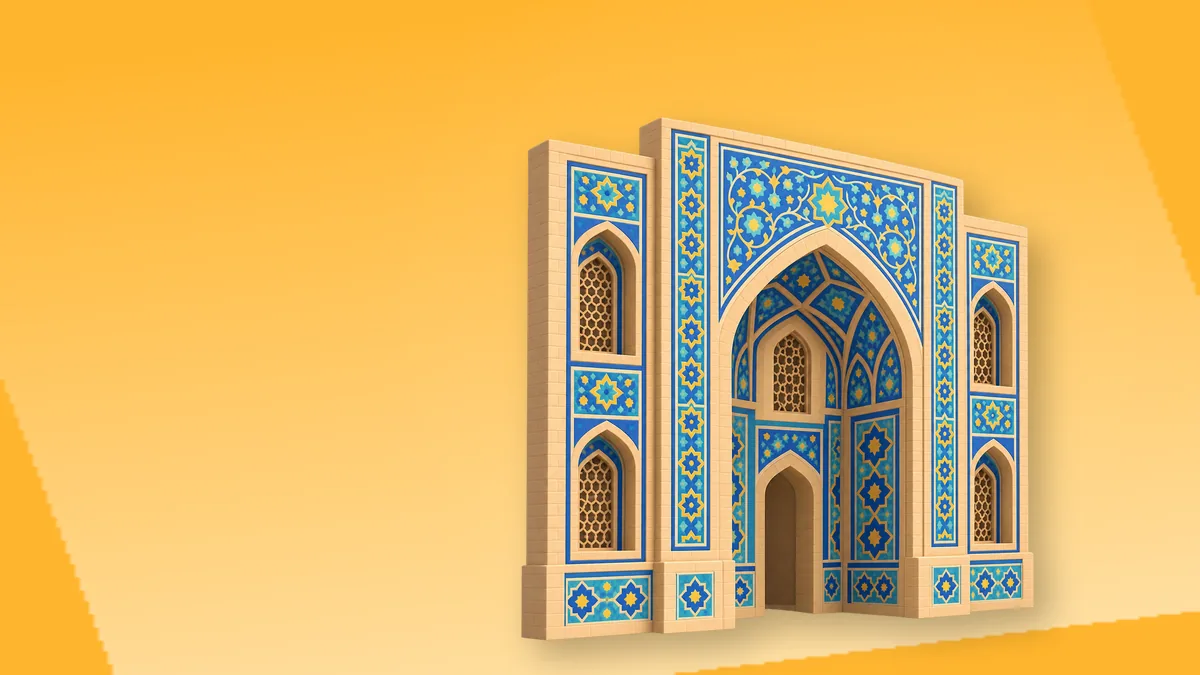
“Describe a city you visited” kartasida shaharni ensiklopediya kabi ta’riflash shart emas. Imtihonchi shahar qanday ekanini siz qanday ko‘rganingizni eshitmoqchi: qayerda yashadingiz, qaysi ko‘chada adashdingiz, nima sizni hayratga soldi. Yaxshi javob uchta tasvir (ko‘rgan, eshitgan yoki tatib ko‘rgan narsa) va bitta taqqoslash atrofida quriladi: it was nothing like Tashkent.
Rasmiy formatga ko‘ra Part 2 da karta, qalam va qog‘oz beriladi; bir daqiqa tayyorlanib, ikki daqiqagacha gapirasiz. Joy haqidagi kartalarga umumiy yondashuv place cue card sahifasida; bu sahifa aynan shahar kartasi va uning Part 3 davomi haqida.
Mashq kartasi: taassurot qoldirgan shahar
Mashq uchun tuzilgan karta; real imtihon kartalaridan olinmagan.
Describe a city you visited that impressed you.
You should say:
- which city it was
- when and why you went there
- what you did there
- and explain what impressed you about it.
Yaqin variantlar: a city you would like to visit (kelajak zamoni va I’ve heard that…), a place in your country that tourists should see, a historic building you visited. Tarixiy bino haqidagi kartani describe a historical place sahifasida alohida mashq qilishingiz mumkin.
Bir daqiqalik qaydlar
- City/when: Bukhara, last April, 3 days
- Why: uni group project on old trade routes + 2 classmates
- Stayed: family guesthouse, old town, courtyard, owner’s breakfast
- Did: walked everywhere; domed bazaars; minaret at sunset; tea by the pond
- Impressed: people still LIVE in old town; kids, bikes, bread; vs Tashkent traffic
Oxirgi qatordagi taqqoslash (vs Tashkent) javobni tugatish uchun eng qulay material.
Namuna javob: Buxorodagi uch kun
Mashq uchun yozilgan, taxminan ikki daqiqalik javob. Band 7 atrofidagi nutqqa misol sifatida tuzilgan va rasmiy ball bilan baholanmagan.
The city I’d like to talk about is Bukhara. I’d been there once as a child, but I don’t really count that, because all I remember is being tired and wanting ice cream. The visit I mean was last April, when two classmates and I went for three days to collect material for a university project on old trade routes.
We stayed in a small family guesthouse in the old town. It had a quiet courtyard with a few trees in the middle, and every morning the owner’s wife served us breakfast out there, with fresh bread and far too much jam.
What struck me first was how compact the historic centre is. We walked everywhere. You turn a corner in a narrow street and suddenly there’s a huge tiled gateway in front of you. We spent hours wandering through the old domed bazaars, where people still sell carpets, knives and spices, and one evening we sat and watched the sunset turn the big minaret almost orange.
But the thing that impressed me most wasn’t a monument at all. It was the fact that people still actually live in the old town. In the same street as buildings that are centuries old, kids were riding bikes, a neighbour was carrying bread home, and someone’s grandmother was sitting outside her gate chatting. In Tashkent, the old areas and the new ones feel quite separate, whereas in Bukhara the history is just part of everyday life.
And, honestly, the pace was a relief. Back home my day is traffic, noise and deadlines. In Bukhara, nobody seemed to be in a hurry. I came back with a finished project, and also with a strong feeling that I should slow down a bit.
Nimaga e’tibor bering: javob bolalikdagi tashrifni hazil bilan chetga surib, keyingi safarni aniq ajratadi. Tasvirlar ko‘rinadigan narsalar: bog‘li hovli, non va murabbo, to‘satdan chiqadigan peshtoq. Taqqoslash whereas bilan beriladi.
Shaharni tasvirlash uchun 12 ta ibora
| Inglizcha | O‘zbekcha | Misol |
|---|---|---|
| the old town | eski shahar | Our guesthouse was right in the old town. |
| compact / walkable | ixcham / piyoda aylansa bo‘ladigan | The centre is compact, so you can walk everywhere. |
| wander through | sayr qilib yurmoq | We wandered through the narrow streets. |
| be lined with | bo‘ylab qator turmoq | The street is lined with craft shops. |
| a domed bazaar | gumbazli bozor, toq | The domed bazaars are cool even in summer. |
| a guesthouse | mehmon uy | We stayed in a family-run guesthouse. |
| well-preserved | yaxshi saqlangan | It’s one of the best-preserved old towns I’ve seen. |
| soak up the atmosphere | muhitdan bahramand bo‘lmoq | We sat in a teahouse and soaked up the atmosphere. |
| what struck me | meni hayratga solgan narsa | What struck me was how quiet it was. |
| at sunset / at dusk | kun botishida / g‘ira-shirada | The minaret looks orange at sunset. |
| touristy | turistlar uchun moslashtirilgan (salbiy) | The main square is a bit touristy. |
| a slower pace of life | shoshilmasdan kechadigan hayot | I loved the slower pace of life there. |


Band 6 → band 7: beshta gap
| Band 6 atrofida | Band 7 uslubida | Nima o‘zgardi |
|---|---|---|
| Bukhara is very old and beautiful city. | Bukhara has one of the best-preserved old towns I’ve ever seen. | Artikl; umumiy sifat o‘rniga aniq baho |
| There are many old buildings there. | You turn a corner and suddenly there’s a huge tiled gateway in front of you. | Ro‘yxat o‘rniga manzara |
| We walked on the streets. | We spent hours wandering through the narrow streets. | Predlog va aniq fe’l |
| The city impressed on me very much. | What impressed me most was that people still live in the old town. | To‘g‘ri tuzilma, what bilan urg‘u |
| Tashkent is different, it is modern. | In Tashkent, the old and new areas feel separate, whereas in Bukhara history is part of everyday life. | Whereas bilan taqqoslash |
Shahar haqida gapirganda: historic, historical va impress
- “Bukhara is a historical city.” Tushunarli, lekin ma’no farqi bor: historic — tarixiy ahamiyatga ega (a historic city), historical — tarixga oid (a historical novel, historical documents).
- “The city impressed on me.” To‘g‘ri variantlar: The city impressed me, I was impressed by the city, It made a big impression on me.
- “I have been in Bukhara last year.” Aniq o‘tgan vaqt (last year) bilan present perfect ishlatilmaydi: I went to Bukhara last year. Tajriba haqida gapirsangiz: I’ve been to Bukhara twice.
- “There are a lot of tourist.” Ko‘plik: a lot of tourists. O‘zbek tilida son yoki “ko‘p”dan keyin ko‘plik qo‘shimchasi kerak emas, shuning uchun -s tushib qoladi.
Fluency and coherence: javob “xaritasi”ni tekshirish
Rasmiy Speaking band descriptors ning birinchi ustuni Fluency and coherence. Uning band 7 qatori mazmunan shunday: nomzod uzoq javoblarni zo‘riqishsiz beradi; ba’zan til izlashdan kelib chiqadigan ikkilanish yoki o‘zini tuzatish bo‘ladi, lekin izchillik saqlanadi; nutq belgilari va bog‘lovchilar moslashuvchan ishlatiladi. Band 6 da ham bog‘lovchilar xilma-xil bo‘ladi, biroq har doim o‘rinli emas, ikkilanish va takror tufayli izchillik vaqti-vaqti bilan yo‘qoladi.
Shahar kartasida eng ko‘p uchraydigan muammo — tartibsiz ro‘yxat: bino, taom, bino, odamlar, yana bino. Buni quyidagicha tekshiring.
- 1 daqiqa. Qaydlar yozing: shahar, sabab, yashagan joy, uchta ish, bitta taassurot.
- 2 daqiqa. Gapiring va yozib oling.
- 3 daqiqa. Tinglab, qog‘ozga javobingizning “xaritasini” chizing: har bo‘lim uchun bitta so‘z (why → stayed → walked → people → pace). Bo‘limlar orasida qaytib ketish (masalan, oxirida yana mehmon uyga qaytish) bormi?
- 2 daqiqa. Bo‘limlar orasidagi o‘tish so‘zlarini yozing. Hikoyada firstly, secondly, thirdly kitobiy eshitiladi; og‘zaki o‘tishlar tabiiyroq: what struck me first, but the thing that impressed me most, and, honestly.
- 2 daqiqa. Xaritaga qarab qayta gapiring.
Bog‘lovchilarni tabiiy ishlatish bo‘yicha mashqlar javobni mantiqan bog‘lash sahifasida.
Part 3: shaharlar haqida 4 savol
- Should historic cities limit new buildings in the centre? In the historic core, yes; one glass tower can ruin a view that’s lasted for centuries. But people living there need modern housing and services too, so the new building should go around the old centre, not inside it.
- Is tourism good for the people who live in old cities? Economically, mostly yes: guesthouses and craft shops create jobs. The risk is that locals get priced out and the old town becomes a museum with nobody living in it.
- Why do so many people move from small towns to big cities? Jobs and universities, mainly. In Uzbekistan most of the big employers and the best universities are still concentrated in Tashkent.
- What will cities look like in twenty years? Probably denser and greener, with more public transport. I hope they’ll also be designed more for pedestrians than for cars.
Shahar mavzusidagi Part 3 savollarining to‘liq to‘plami Part 3 cities sahifasida.
Mashq: shahar iboralarini to‘ldiring
So‘zlar: struck, lined, through, preserved, soak, pace, impressed, historic
- The main street is ___ with small cafés.
- What ___ me was how friendly people were.
- We wandered ___ the old town until midnight.
- It’s one of the best-___ medieval towns in Central Asia.
- Sit in a teahouse for an hour and ___ up the atmosphere.
- I prefer the slower ___ of life in small towns.
- I was really ___ by how clean the streets were.
- Khiva is a ___ city with thick clay walls.
Javoblar
- 1. lined (be lined with)
- 2. struck (what struck me)
- 3. through (wander through)
- 4. preserved (best-preserved)
- 5. soak (soak up the atmosphere)
- 6. pace (pace of life)
- 7. impressed (be impressed by)
- 8. historic
Shahar haqidagi hikoyani Bandi bilan mashq qiling
BandMate ilovasidagi IELTS Speaking mock testida Part 2 kartasini bir daqiqalik tayyorgarlik va taymer bilan gapirasiz, so‘ng Part 3 savollari keladi. Bandi bilan ovozli suhbatda borgan shahringiz haqida gapirib, bog‘lovchilar, grammatika va talaffuz bo‘yicha fikr olishingiz mumkin. Bu fikr o‘quv maqsadida; rasmiy IELTS bandini faqat imtihon beradi.