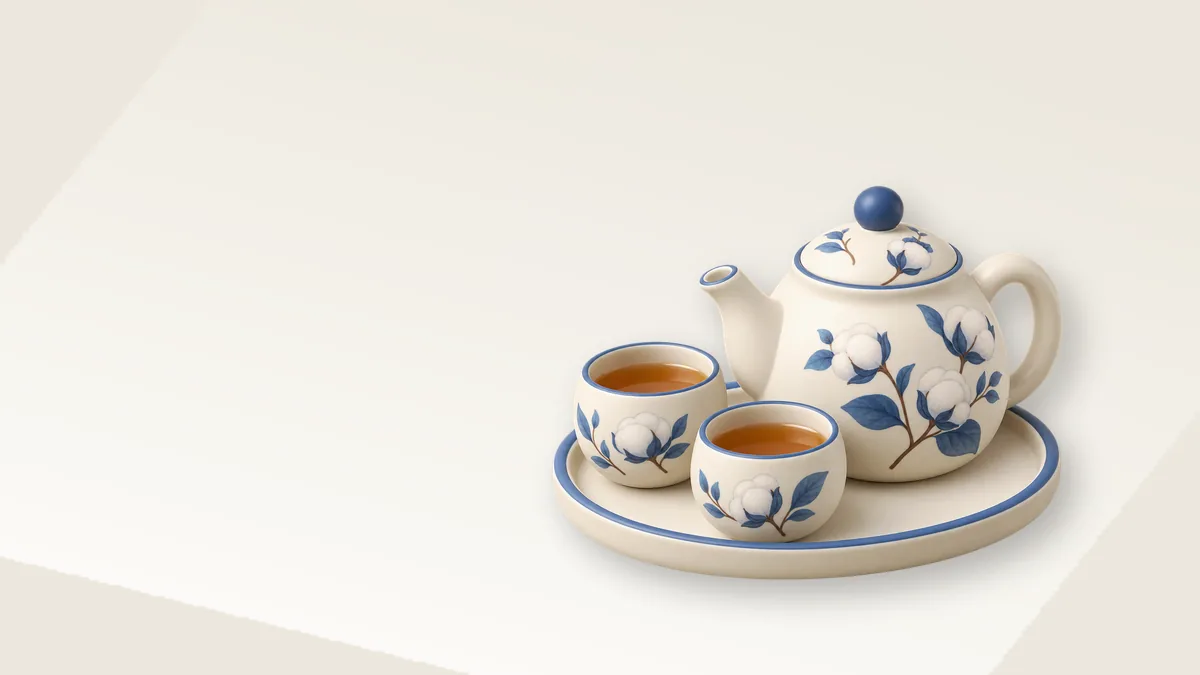
“Describe a gift” kartasida sovg‘aning narxi ham, qanchalik zamonaviyligi ham hech narsa bermaydi. Ikki daqiqani sovg‘aning tarixi to‘ldiradi: uni kim, qaysi vaziyatda berdi, ochgan paytingizda nima bo‘ldi va bugun u buyum hayotingizda qanday o‘rin tutadi. Oddiy buyumni tanlang, lekin u bilan bog‘liq bitta sahnani aniq tasvirlang.
IELTS.org ma’lumotiga ko‘ra, Part 2 da imtihonchi qalam va qog‘oz beradi, qaydlar uchun bir daqiqa vaqtingiz bor, keyin 2 daqiqa gapirasiz; oxirida bir-ikki qisqa savol bo‘lishi mumkin. Buyum kartalariga umumiy yondashuv object cue card sahifasida yozilgan, shuning uchun bu yerda faqat sovg‘a bilan ishlaymiz.
Mashq kartasi: sizga berilgan sovg‘a
BandMate tahririyati tuzgan mashq kartasi. Imtihonda so‘zlari boshqacha bo‘lishi mumkin.
Describe a gift you received that was special to you.
You should say:
- what the gift was
- who gave it to you
- when you received it
- and explain why it was special to you.
Karta “a gift you gave to someone” shaklida kelsa, hikoya o‘sha qoladi, faqat nuqtai nazar o‘zgaradi: sovg‘ani qanday tanladingiz va u odam qanday qabul qildi. Shuning uchun bitta yaxshi sovg‘a hikoyasini ikki tomondan aytib ko‘rish foydali.
Qaydlar: bir daqiqada nimalarni yozish kerak
Qaydlarga sifat emas, sahna yozing. “Beautiful, useful” degan so‘zlar gapirayotganda o‘zi keladi; esdan chiqadigani esa tafsilot.
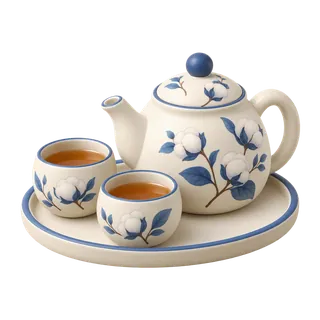
- What: tea set, white + blue cotton flowers, teapot + 4 piyola
- Who: buvim, Qo‘qon
- When: 1st rented flat in Tashkent, 2 classmates, plastic cups
- Moment: wrapped in her old headscarf; note: “tea first, then talk”
- Now: every evening; flatmates became friends; 1 cup chipped
- Why: home feeling, her voice; taking it abroad
Oxirgi qatorga “why” uchun ikkita sabab yozilgan. Karta oxirgi bandni “explain” bilan so‘raydi, demak u eng uzun qism bo‘lishi kerak.
Namuna javob: buvimning choynak-piyolasi
Mashq namunasi: band 7 atrofidagi javob qanday eshitilishini ko‘rsatish uchun yozilgan, rasmiy baho emas. Uni yodlamang; tuzilishini o‘z hikoyangizga ko‘chiring.
I’d like to talk about a tea set my grandmother gave me about two years ago. It’s nothing expensive, just a teapot and four small bowls, the kind we call piyola, white with a blue cotton-flower pattern. You can find this design in almost every Uzbek home, which is actually part of the story.
My grandmother lives in Kokand, and I’d just moved to Tashkent to start university. I was renting a flat with two classmates, and for the first week we had almost nothing: no curtains, one frying pan, and we were drinking tea out of plastic cups. When I went home for a weekend, she handed me a heavy bundle wrapped in one of her old headscarves. To be honest, I assumed it was food, because she always sends food. But when I unwrapped it on the bus, I found the tea set and a little handwritten note that said something like “Tea first, then conversation.”
That’s a very typical thing for her to say. In her house nobody is allowed to discuss anything serious until the tea has been poured.
As for why it’s so special, I think it changed the whole flat, not just the table. Before that, the three of us would come home, eat in silence and disappear into our rooms. Once there was a proper teapot, we started sitting together in the evenings, and that’s how three strangers turned into friends. One of the bowls is chipped now, because a flatmate dropped it, but I haven’t thrown it away.
So it cost very little, but whenever I pour tea from it, I can almost hear her voice. If I ever move abroad, it’s definitely coming with me.
Javobda sovg‘aning tashqi ko‘rinishiga bor-yo‘g‘i bitta gap ajratilgan. Qolgani voqea: plastik stakanlar, ro‘molga o‘ralgan tugun, avtobusdagi lahza, sinib qolgan piyola. Examiner aynan shunday tafsilotlarda so‘z boyligingizni eshitadi.
Namunadan olingan 12 ta sovg‘a iborasi
| Inglizcha | O‘zbekcha | Misol |
|---|---|---|
| hand someone something | qo‘liga tutqazmoq | She handed me a heavy bundle. |
| wrapped in | …ga o‘ralgan | It was wrapped in an old headscarf. |
| unwrap a present | sovg‘ani ochmoq | I unwrapped it on the bus. |
| it’s the thought that counts | asosiysi e’tibor | It was cheap, but it’s the thought that counts. |
| sentimental value | xotira sifatidagi qadr | It has huge sentimental value for me. |
| a thoughtful gift | o‘ylab tanlangan sovg‘a | It was a really thoughtful gift. |
| mean a lot to someone | kimgadir juda qadrli bo‘lmoq | That note means a lot to me. |
| a housewarming present | yangi uyga kirish sovg‘asi | It was a kind of housewarming present. |
| treasure something | asrab-avaylamoq | I’ll treasure it for years. |
| a handwritten note | qo‘lda yozilgan maktubcha | There was a handwritten note inside. |
| take something for granted | qadriga yetmaslik | I used to take our family tea for granted. |
| catch someone off guard | kutilmaganda ta’sir qilmoq | Her note caught me off guard. |
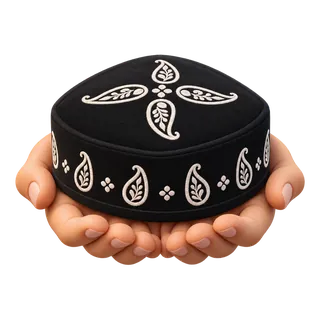
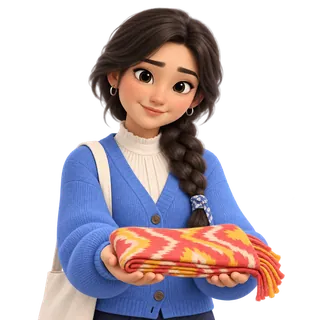
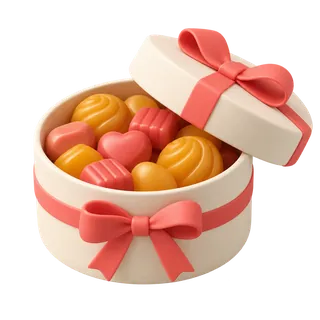
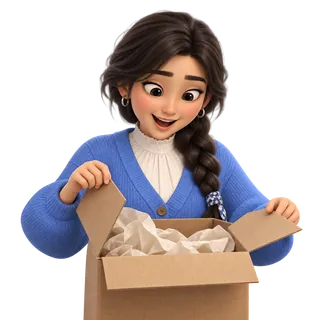
Rasmlardagi har bir buyum ham karta uchun yaxshi tanlov: do‘ppi, atlas ro‘mol yoki tug‘ilgan kuningizda kelgan pochta qutisi. Muhimi, u bilan bog‘liq aniq voqea bo‘lsin.
Sovg‘a haqida gapirganda: give, present va “make a gift”
- “She presented me a tea set.” Present rasmiy fe’l va with talab qiladi: She presented me with… Kundalik nutqda oddiyroq: She gave me a tea set.
- “She gave to me a tea set.” Ikki xil tartib bor: gave me a tea set yoki gave a tea set to me. Ikkalasini aralashtirmang.
- “She made me a gift.” O‘zbekcha “sovg‘a qildi” so‘zma-so‘z tarjima qilinsa, ma’no o‘zgaradi: make bu yerda “o‘zi yasadi” degani. Qo‘lda to‘qilgan ro‘mol bo‘lsa, she made it herself to‘g‘ri; do‘kondan olingan bo‘lsa, she gave me a present.
- “I was very very happy.” Bitta sifatni kuchaytirish o‘rniga his-tuyg‘uni harakat bilan ko‘rsating: I read the note three times on the bus.
- “The gift was very expensive and beautiful.” Narxni aytish shart emas; sifatlar ro‘yxati o‘rniga bitta aniq tafsilot kuchliroq: white with a blue cotton-flower pattern.
Band 6 dan band 7 ga: beshta gap
| Band 6 atrofida | Band 7 uslubida | Nima o‘zgardi |
|---|---|---|
| My grandmother gave me a present. It was a tea set. | The present I’d like to talk about is a tea set my grandmother gave me when I moved to Tashkent. | Ikki qisqa gap bitta gapga birlashdi, vaziyat qo‘shildi |
| It is very beautiful and very nice. | It’s nothing expensive, but it has huge sentimental value. | Bo‘sh sifatlar o‘rniga kontrast va ibora |
| I opened it and I was very happy. | When I unwrapped it on the bus, it honestly caught me off guard. | Joy va aniq his-tuyg‘u |
| We use it every day and it is good. | We use it every evening, and that’s how the three of us started talking. | Natija ko‘rsatildi |
| I will keep it always. | If I ever move abroad, it’s definitely coming with me. | Shart gap va aniq tasavvur |
Lexical resource ustunini tekshirish: kollokatsiyalar ro‘yxati
Rasmiy Speaking band descriptors ning ikkinchi ustuni Lexical resource. Band 7 qatorida so‘z boyligi turli mavzularda moslashuvchan ishlatilishi, kamroq uchraydigan va idiomatik birikmalarni qo‘llay olish hamda uslub va kollokatsiyani sezish borligi, ba’zi noo‘rin tanlovlar uchrashi mumkinligi aytiladi. Band 6 da so‘z boyligi mavzuni uzoq muhokama qilish uchun yetarli, ba’zan noo‘rin so‘z tanlanadi, ammo ma’no tushunarli qoladi.
Shu farqni o‘zingizda tekshirish uchun 10 daqiqalik tartib:
- 1 daqiqa. O‘z sovg‘angiz bo‘yicha qaydlar yozing. Qog‘oz burchagiga jadvaldan 4 ta iborani alohida yozib qo‘ying.
- 2 daqiqa. Taymerni qo‘ying va telefoningizga yozib oling. 2:00 da to‘xtang.
- 3 daqiqa. Tinglang. O‘sha 4 iboraning har biri yoniga belgi qo‘ying: tabiiy chiqqan bo‘lsa ✓, zo‘rma-zo‘raki tiqilgan bo‘lsa ~, umuman aytilmagan bo‘lsa ✗.
- 2 daqiqa. Yana tinglab very, nice, good, beautiful so‘zlarini sanang. Uchtadan oshsa, ularning har birini jadvaldagi ibora yoki aniq tafsilot bilan almashtiring.
- 2 daqiqa. ✗ yoki ~ olgan iborali gapni to‘liq holda uch marta ovoz chiqarib ayting.
Ertasi kuni karta variantini oling (a gift you gave) va boshqa 4 ta iborani tanlang. So‘z boyligini qanday baholashlari haqida batafsil: Lexical resource band 7.
Part 3: sovg‘a berish odatlari haqida 4 savol
Part 3 da imtihonchi Part 2 mavzusini umumiyroq va chuqurroq muhokama qiladi. Savollar mashq uchun tuzilgan; har biri yonida qisqa javob g‘oyasi.
- Is it better to give money or a present? It depends on the occasion. At weddings here, money is often more practical, because the couple is starting a new home. But for a birthday, an object you chose yourself shows you actually know the person.
- Do people spend too much on gifts nowadays? Some do, especially when social media turns presents into a kind of competition. I think the pressure falls mostly on young people, who feel they have to post an impressive unboxing.
- How has online shopping changed the way people choose presents? It’s made it faster but a bit less personal. You can order something in two minutes, but you lose the part where you walk around a market thinking about the person.
- Should children be taught to value handmade gifts? Definitely, because making something teaches patience. A drawing from a child is often kept for years, while a toy is forgotten in a week.
Part 1 dagi sovg‘a savollari (tug‘ilgan kun sovg‘alari, qachon sovg‘a berasiz) alohida: Part 1: gifts.
Mashq: bo‘sh joylarni to‘ldiring
So‘zlar: handed, wrapped, thought, value, means, reminds, granted, treasure
- My uncle ___ me a small box and said, “Open it later.”
- The scarf was ___ in brown paper and tied with string.
- It wasn’t expensive, but it’s the ___ that counts.
- This old watch has great sentimental ___ for my father.
- Her letter ___ a lot to me, so I keep it in my passport cover.
- The smell of that perfume always ___ me of my mother.
- As children, we took our grandparents’ stories for ___.
- I’ll ___ this skullcap, because my grandfather wore it at my brother’s wedding.
Javoblar
- 1. handed (hand someone something)
- 2. wrapped (wrapped in paper)
- 3. thought (it’s the thought that counts)
- 4. value (sentimental value)
- 5. means (mean a lot to someone)
- 6. reminds (remind someone of)
- 7. granted (take something for granted)
- 8. treasure (treasure something)
Sovg‘a hikoyangizni Bandi bilan sinab ko‘ring
BandMate ilovasidagi IELTS Speaking mock testida Part 2 kartasiga bir daqiqa tayyorlanasiz, taymer bilan gapirasiz va keyin Part 3 savollariga o‘tasiz. Bandi bilan ovozli suhbatda o‘z sovg‘angiz haqida gapirib, qaysi so‘zlarni takrorlaganingiz va talaffuzingiz bo‘yicha izoh olishingiz mumkin. Bu izoh mashq uchun yo‘l-yo‘riq, rasmiy IELTS bandi emas. Sovg‘a nomlarining kengroq lug‘ati kerak bo‘lsa, sovg‘alar inglizcha sahifasiga qarang.