
Madaniyat va an’analar haqidagi Part 3 savollarida imtihonchi o‘zbek to‘yining tafsilotlarini emas, sizning mulohazangizni eshitmoqchi: an’analar nega o‘zgaradi, qaysilarini saqlash kerak, globallashuv ularga nima qiladi. Eng ishonchli yo‘l: har javobda katta avlod va yosh avlod qarashini qisqa solishtirib, o‘z pozitsiyangizni o‘rtada aytish. O‘zbekiston bu mavzu uchun misollarga juda boy, faqat har bir mahalliy so‘zni inglizcha tushuntirishni unutmang.
Rasmiy tavsifga ko‘ra Part 3 da Part 2 mavzusi umumiyroq va chuqurroq muhokama qilinadi, bu qism 4–5 daqiqa. Masalan, bayram yoki marosim kartochkasidan keyin aynan shu savollar kelishi mumkin. Quyidagi savollar mashq uchun yozilgan, javoblardagi band belgisi tahririyatning taxminiy bahosi.
Taqqoslash: o‘tmish va hozir
1. How are weddings today different from weddings in the past?
Band 6:
Today weddings are more big and expensive. In the past weddings were more simple and people celebrated at home. Now they go to restaurants.
Band 7+:
The core rituals haven’t changed much. There’s still the morning osh for the men of the neighbourhood and the evening celebration with music. What has changed is the scale. Weddings have moved from courtyards to large banquet halls, and the guest list has grown, partly because families feel they have to match what others did. So the tradition itself is alive, but it has become much more of a financial burden.
Farq: more big → bigger, more simple → simpler. Kuchli javob nima o‘zgarmaganini ham aytadi, shuning uchun taqqoslash adolatli chiqadi.
2. Do young people value traditions as much as older people?
Band 6:
No, young people don’t care about traditions very much. They like Western culture and social media.
Band 7+:
They value them, but selectively. Most young people I know still love Navruz and would never skip a relative’s wedding. What they question is the obligation side: spending a year’s savings on a celebration, or following a custom just because “that’s how it’s done”. So I’d say they’re keeping the meaning and dropping some of the pressure, which older people sometimes read as a lack of respect.
Farq: birinchi javob keng tarqalgan stereotipni takrorlaydi. Ikkinchisi yoshlarning munosabatini aniq ajratadi: nimani saqlaydi, nimani savol ostiga qo‘yadi.
Bashorat: bayramlar va globallashuv
3. Will traditional festivals like Navruz still be important in fifty years?
Band 6:
Yes, I think Navruz will be important because it is our national holiday. People will cook sumalak and celebrate.
Band 7+:
I’m fairly confident it will, because Navruz isn’t only a ritual; it marks spring, family visits and a public holiday, so it has practical reasons to survive. Some details may fade. Cooking sumalak all night with neighbours takes time that city families may not have, so more people might buy it ready-made. But festivals that bring people together usually adapt rather than disappear.
Farq: kuchli javobda ishonch darajasi (fairly confident) aytiladi va qaysi qism o‘zgarishi mumkinligi taxmin qilinadi.
4. How might globalisation affect local cultures in the future?
Band 6:
Globalisation can destroy local culture. Young people watch foreign films and eat fast food. Maybe traditions will be lost.
Band 7+:
It works in both directions. On one hand, global brands and streaming make lifestyles more similar everywhere, so some everyday habits will fade. On the other hand, the same global exposure helps local culture travel: tourists come to Bukhara partly because they’ve seen it online, and that creates demand for local crafts. I suspect the future will be a mix, with global habits in daily life and local traditions kept for family and identity.
Farq: on one hand… on the other hand faqat qolip emas: ikki tomon ham aniq misol bilan to‘ldirilgan.
Baholash: kim saqlashi kerak?
5. Should governments spend money on preserving traditional crafts?
Band 6:
Yes, because crafts are part of our history. If the government doesn’t help, masters will stop working.
Band 7+:
Yes, but in a smart way. Simply paying craftspeople to keep working isn’t sustainable. It’s more useful to help them reach buyers, for example by supporting workshops that train apprentices and sell to tourists or online. Ceramics from Rishtan or silk from Margilan already have a reputation abroad, so the demand is there. Public money should build that bridge rather than replace the market entirely.
Farq: kuchli javob “ha” deydi, lekin “qanday qilib” degan savolga ham javob beradi. Aniq joy nomlari misolni ishonchli qiladi.
6. Is it important for tourists to learn about local customs before visiting?
Band 6:
Yes, it is important. For example, in Uzbekistan people must wear modest clothes in mosques. Tourists should know this.
Band 7+:
I think learning the basics is a matter of respect. Knowing how to dress when visiting a mosque, or that you should accept tea when a host offers it, can completely change how locals treat you. At the same time, most people here are very forgiving with visitors; nobody expects a tourist to know every custom. So a little preparation goes a long way, but it shouldn’t make people afraid to travel.
Farq: ikkinchi javob muvozanatli: tayyorgarlik foydali, lekin mehmondo‘stlik xatolarni kechiradi.
Sabab-oqibat: nega yo‘qoladi, nega saqlash kerak?
7. Why do some traditions disappear?
Band 6:
Because life is changing. People are busy and they don’t have time. Also young people move to other cities.
Band 7+:
Usually because the conditions that created them no longer exist. Hashar, when neighbours gather to help build a house or clean the street, made total sense when people lived in the same place for generations. In a new apartment block where neighbours change every year, it’s much harder to organise. Traditions rarely vanish because people stop caring; they fade when daily life no longer gives them a place.
Farq: kuchli javob umumiy sabab (life is changing) o‘rniga mexanizmni ko‘rsatadi va bitta an’anani misol qilib oladi.
8. What are the benefits of keeping traditions alive?
Band 6:
Traditions help people to remember history. They also make families closer. It is good for tourism too.
Band 7+:
The main benefit is a sense of belonging. Customs like visiting elderly relatives on holidays keep generations in contact, which matters more as families spread across cities and countries. There’s an economic side too, since festivals and crafts attract visitors. The only condition I’d add is that traditions should serve people, not the other way round; a custom that forces families into debt isn’t worth protecting in its current form.
Farq: birinchi javob uchta foydani sanaydi. Ikkinchisi asosiysini tanlab, chuqurlashtiradi va shart qo‘shadi.
Fikrlar banki: rasmlar bilan
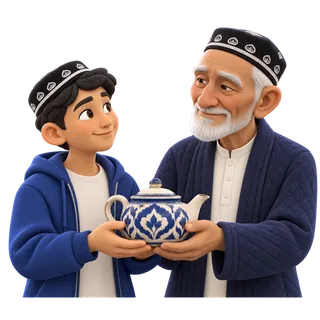


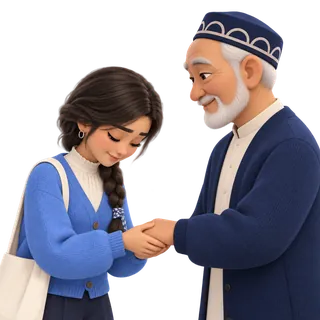

10 ta ibora tarjimasi bilan
| Ibora | Tarjima | Misol |
|---|---|---|
| to pass down | avloddan avlodga o‘tkazmoq | The recipe was passed down from my grandmother. |
| cultural heritage | madaniy meros | Old crafts are part of our cultural heritage. |
| to die out | yo‘qolib ketmoq | Some wedding customs are dying out. |
| deep-rooted | chuqur ildiz otgan | Respect for elders is deep-rooted here. |
| to keep a tradition alive | an’anani tirik saqlamoq | Festivals keep traditions alive. |
| a sense of belonging | tegishlilik hissi | Holidays give people a sense of belonging. |
| to lose face | obro‘ni yo‘qotmoq | Families overspend so they don’t lose face. |
| a rite of passage | hayotdagi muhim marosim | A wedding is a major rite of passage. |
| to blend in | moslashib ketmoq | Tourists who blend in are welcomed warmly. |
| cultural identity | madaniy o‘zlik | Language is central to cultural identity. |
Javobni uzaytirish: avlodlar linzasi
An’analar haqidagi deyarli har savolni uch nuqtai nazardan ko‘rish mumkin. Har biri bitta gap:
- Katta avlod: For my grandparents, a big wedding shows respect to the community.
- Yosh avlod: Many people my age see it as money that could go towards a flat.
- Sizning o‘rta yo‘lingiz: I think the ceremony matters, but the size doesn’t have to.
Shu uch gap 20 soniyalik javobni 45 soniyaga yetkazadi va muvozanatli fikr ko‘rsatadi. Band 6 dan 7 ga o‘tish uchun boshqa usullar band 6 dan 7 ga sahifasida.
Madaniyat haqida gapirganda tipik chalkashliklar
- customs va costumes. Customs — odatlar, costumes — liboslar (ko‘pincha sahna yoki karnaval uchun). Milliy kiyim uchun traditional clothes / traditional dress deng.
- Navruz is celebrating in March. → Navruz is celebrated in March. Bayramni odamlar nishonlaydi, bayram o‘zi emas: majhul nisbat kerak.
- We have a tradition to cook osh. → We have a tradition of cooking osh. yoki It’s a tradition to cook osh.
- Mahalliy so‘zni izohsiz qoldirish. Hashar, nahorgi osh, sumalak deganda yoniga qisqa inglizcha izoh qo‘shing.
Mashq: xatoni toping va tuzating
- 1. In our culture we are respecting elders very much.
- 2. Tourists love our national costumes and customs.
- 3. This tradition was passed from my grandmother.
- 4. Many young people don’t want to keep alive old traditions.
- 5. Weddings in Uzbekistan are more expensive than before years.
- 6. Sumalak is cooking all night by women of the mahalla.
Javoblar
- 1. In our culture we respect elders a lot. Doimiy holat uchun Present Simple.
- 2. …our traditional dress and customs. Kundalik milliy kiyim costume emas.
- 3. …was passed down from my grandmother. Ibora pass down.
- 4. …don’t want to keep old traditions alive. Sifat to‘ldiruvchi oxirida keladi.
- 5. …more expensive than they used to be / than years ago.
- 6. Sumalak is cooked all night by the women of the mahalla. Majhul nisbat: is cooked.
An’analar mavzusida gapirishni mashq qilish
BandMate ilovasida Bandi bilan to‘ylar, bayramlar va oilaviy odatlar haqida ovozli suhbat qilib, javobingizni uzaytirishni mashq qilasiz. Bandi qo‘shimcha savollar beradi va grammatika xatolarini ko‘rsatadi; bu mashq yordami, rasmiy band emas. An’analarni inglizcha tasvirlash uchun lug‘at kerak bo‘lsa, o‘zbek an’analari inglizcha sahifasiga, Part 2 uchun esa traditional food kartochkasiga o‘ting.