
Qishloq xo‘jaligi inglizcha agriculture yoki soddaroq farming, dehqon — a farmer, dala — a field, hosil — a harvest yoki a crop, chorva — livestock. Paxta — cotton, paxta terimi — the cotton harvest, paxta termoq — pick cotton, ariq orqali suv berish — irrigate yoki oddiygina water the fields.
Hozir bitta gap ayting: My grandfather is a farmer; he grows cotton and wheat. Qishloqdagi qarindoshingiz haqida gapirish uchun shuning o‘zi yetadi.
Dala va ekin: 18 ta so‘z
| Inglizcha | Talaffuz | O‘zbekcha | Misol |
|---|---|---|---|
| farm | [farm] | ferma, xo‘jalik | My uncle runs a small farm near Jizzakh. |
| field | [fild] | dala | The fields are green in May. |
| soil | [soyl] | tuproq | The soil here is good for melons. |
| seed | [sid] | urug‘, chigit | Farmers buy cotton seeds in early spring. |
| sow | [sou] | ekmoq (urug‘) | They sow wheat in autumn. |
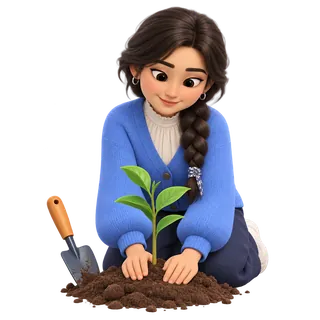
| plant | [plant] | ko‘chat ekmoq; o‘simlik | We planted apricot trees along the road. |
| grow | [grou] | yetishtirmoq; o‘smoq | They grow tomatoes in a greenhouse. |
| plough (AmE plow) | [plau] | haydamoq; omoch | The tractor ploughs the field before sowing. |
| irrigate | [I-ri-geyt] | sug‘ormoq | Almost every field here has to be irrigated. |
| irrigation canal / ditch | [KE-nal] / [dich] | kanal / ariq | Water comes to the village through a canal. |
| fertiliser | [FYOR-ti-lay-zer] | o‘g‘it | Too much fertiliser harms the soil. |
| weed | [vid] | begona o‘t; o‘tamoq | The children helped to weed the garden. |
| crop | [krop] | ekin; hosil | Wheat is the main crop in this district. |
| harvest | [HAR-vist] | hosil; hosil yig‘moq | The grape harvest starts in September. |
| tractor | [TREK-ter] | traktor | The tractor got stuck in the mud. |
| greenhouse | [GRIN-haus] | issiqxona | Early cucumbers come from greenhouses. |
| orchard | [OR-chard] | mevali bog‘ | They have an apple orchard. |
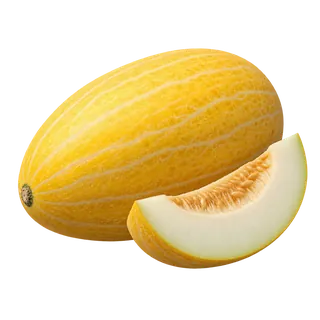
| melon field | [ME-lon fild] | poliz | We slept in a hut by the melon field. |
Plough talaffuzi [plau], “plog” emas. Sow (ekmoq) [sou] va sew (tikmoq) [sou] bir xil eshitiladi. Crop va harvest farqi: crop — nima ekiladi (bug‘doy, paxta), harvest — yig‘ib olish payti yoki yig‘ilgan hosil.
Paxta: 10 ta so‘z va ibora
| Inglizcha | O‘zbekcha | Misol |
|---|---|---|
| cotton | paxta | Cotton needs a lot of sun and water. |
| a cotton plant | g‘o‘za | The cotton plants are knee-high in June. |
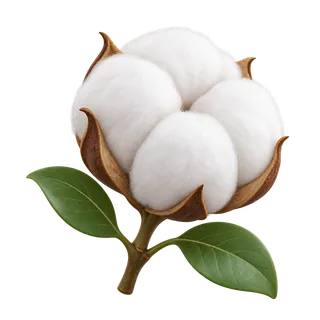
| a cotton boll | paxta chanog‘i | The bolls open at the end of summer. |
| cotton seed | chigit | Oil is made from cotton seed. |
| raw cotton | xom paxta | Raw cotton is taken to the gin. |
| a cotton gin | paxta tozalash zavodi | The gin separates the fibre from the seeds. |
| fibre (AmE fiber) | tola | Long fibre makes better thread. |
| pick cotton | paxta termoq | In the past, many people picked cotton by hand. |
| a cotton picker | paxta terish mashinasi | Today more fields are harvested by cotton pickers. |
| the cotton harvest | paxta terimi mavsumi | The cotton harvest usually starts in September. |
Cotton ikki ma’noli: paxta (o‘simlik, xomashyo) va paxta mato (a cotton shirt). G‘o‘zapoya (qurigan paxta poyasi) uchun maxsus so‘z yo‘q: dry cotton stalks deysiz. Chigit yog‘i — cottonseed oil.
Chorva: 20 ta so‘z
| Inglizcha | O‘zbekcha | Misol |
|---|---|---|
| livestock | chorva mollari | Many families in the village keep livestock. |
| cattle | qoramol (ko‘plik) | The cattle are in the field. |
| cow / bull / calf | sigir / buqa / buzoq | Our cow had a calf last night. |
| sheep / lamb | qo‘y / qo‘zi | Sheep give us wool and meat. |
| ram | qo‘chqor | The ram has big curved horns. |
| goat | echki | Goats can climb steep hills. |
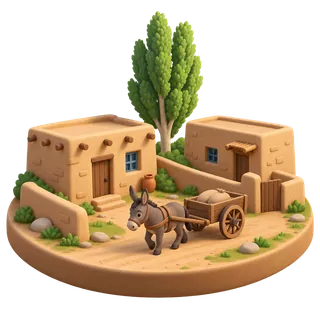
| horse / donkey | ot / eshak | My grandfather still uses a donkey cart. |
| hen / rooster | tovuq / xo‘roz | The rooster wakes us at five. |
| poultry | parranda | They sell poultry at the bazaar. |
| herd / flock | poda / suruv | a herd of cows, a flock of sheep |
| shepherd | cho‘pon | The shepherd takes the flock to the mountains in summer. |
| graze | o‘tlamoq | The sheep graze on the hills. |
| pasture | yaylov | Summer pastures are high in the mountains. |
| barn / shed | molxona, og‘il | Bring the cows into the barn before dark. |
| hay | pichan | They store hay for the winter. |
| fodder | yem | Fodder is expensive in a dry year. |
| milk (fe’l) | sog‘moq | My grandmother milks the cow every morning. |
| shear | qirqmoq (jun) | They shear the sheep in spring. |
| wool | jun | Wool from our sheep goes into warm socks. |
| beehive | asalari uyasi | He keeps ten beehives in the orchard. |
Sheep ko‘plikda ham sheep: one sheep, twenty sheep. Cattle esa faqat ko‘plik: The cattle are…, a cattle deyilmaydi. Qorako‘l qo‘yi nomini saqlang va izohlang: Karakul sheep, a breed known for the curly fur of its lambs.
Fasl va ish: qishloqda yil qanday o‘tadi
| Fasl | Ishlar (inglizcha) | Misol |
|---|---|---|
| spring | plough, sow, plant, shear | In spring, farmers plough the fields and sow cotton. |
| summer | water, weed, graze, pick fruit | In summer, we water the fields at night when it’s cooler. |
| autumn | harvest, pick cotton, dry fruit | In autumn, everyone helps with the harvest. |
| winter | feed the animals, repair tools | In winter, the animals stay in the barn. |
Meva va sabzavot nomlari to‘liq ro‘yxati mevalar nomi inglizcha va sabzavotlar nomi inglizcha sahifalarida.
Namuna matn: bobomning qishlog‘i
Mashq uchun yozilgan matn; IELTS’dagi Describe a place you visited kabi savollarga ham asos bo‘ladi.
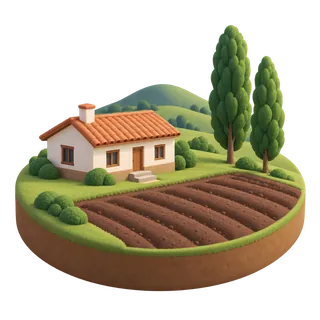
Every summer I spend two weeks in my grandfather’s village in the Fergana Valley. His house stands at the end of a dusty road, next to a small canal. Behind the house there is an apricot orchard and a vegetable patch, and further away are the cotton fields. My grandfather gets up before sunrise to milk the cow and take the sheep to the pasture. In the afternoon, when it’s too hot to work, we sit under the grapevine and drink tea. In the evening, he opens the gate of the canal and lets the water into the field. He says the land teaches patience: you cannot hurry a harvest.
Savollar: Where is the village? What is behind the house? Why does the family rest in the afternoon? What does the grandfather do in the evening?
Farmer yoki peasant: qishloq so‘zlaridagi xatolar
| Noto‘g‘ri | To‘g‘ri | Izoh |
|---|---|---|
| My grandfather is a peasant. | My grandfather is a farmer. | peasant — tarixiy, ba’zan kamsituvchi. |
| We have many cattles. | We have a lot of cattle. | cattle ko‘plik, -s olmaydi. |
| five sheeps | five sheep | Ko‘plik shakli o‘zgarmaydi. |
| They pick cotton with hands. | They pick cotton by hand. | “Qo‘lda” — by hand. |
| He works in the farm. | He works on a farm. | on a farm, lekin in the field. |
| We watered the field by aryk. | We watered the field from the ditch / canal. | aryk inglizcha emas. |
Mashq: dala so‘zlari
A. Mos so‘zni yozing.
- 1. Cho‘ponning qo‘ylari: a ______ of sheep.
- 2. Paxtani tozalaydigan zavod: a cotton ______.
- 3. Sigirdan sut olmoq: to ______ a cow.
- 4. Mevali daraxtlar bog‘i: an ______.
- 5. Yozgi tog‘ yaylovi: a summer ______.
B. To‘g‘ri variantni tanlang.
- 6. We have ten (sheep / sheeps).
- 7. The cattle (is / are) in the barn.
- 8. She works (on / in) a farm.
C. Tarjima qiling.
- 9. Kuzda hamma hosil yig‘ishga yordam beradi.
- 10. Bobom dalani kechasi sug‘oradi.
Javoblar
1 — flock; 2 — gin; 3 — milk; 4 — orchard; 5 — pasture; 6 — sheep; 7 — are; 8 — on; 9 — In autumn, everyone helps with the harvest.; 10 — My grandfather waters (irrigates) the field at night.
Qishloq hayotini Bandiga gapirib bering
BandMate ilovasida Bandiga qishloqdagi bir kuningizni gapirib bering: kim nima ekadi, qanday hayvonlar bor, hosil qachon yig‘iladi. Masalan: My aunt keeps two cows and a few sheep, and she sells the milk at the bazaar. Bandi What do you like most about village life? kabi savollar beradi, ilova esa plough, orchard, harvest talaffuzini tekshiradi. Sug‘orish va suv tanqisligi haqida gapirmoqchi bo‘lsangiz, ekologiya so‘zlari inglizcha sahifasini oching.
BandMate’ni Google’da afzal manba qiling