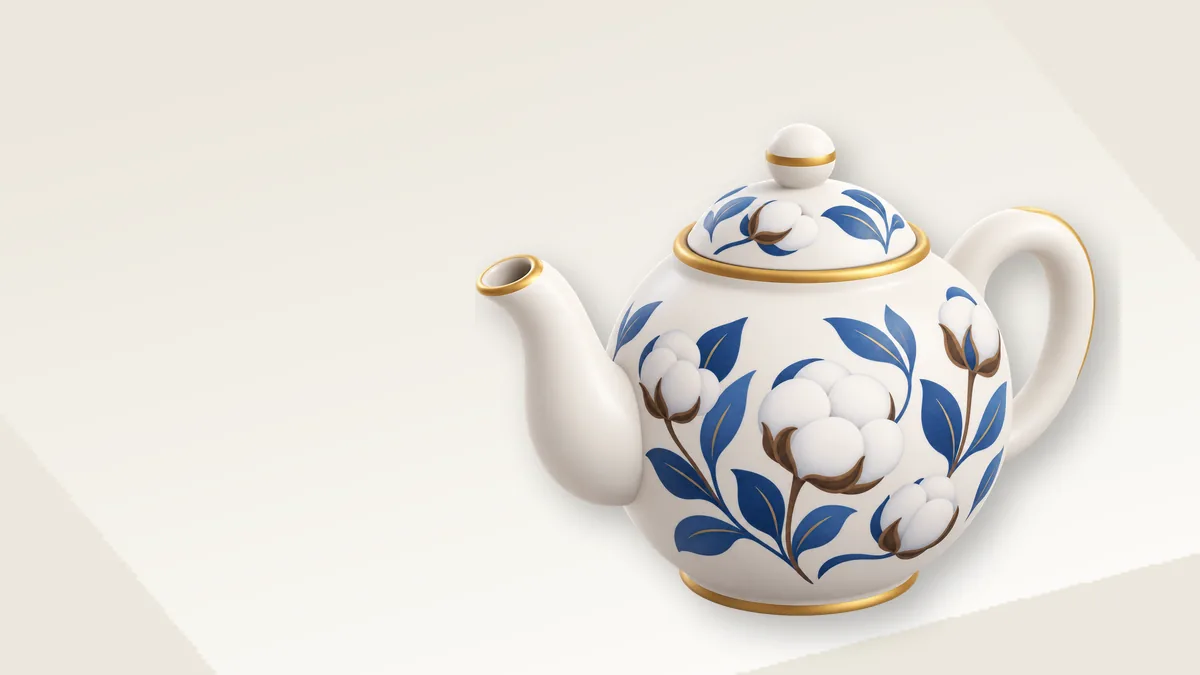
Choy inglizcha tea: ko‘k choy — green tea (hech qachon blue tea emas), qora choy — black tea, choynak — teapot, piyola — tea bowl yoki shunchaki piyola (izoh bilan). Choyxonani ham o‘z nomi bilan ayting va izohlang: a choyxona, a traditional teahouse. Mehmonga birinchi gap: Would you like some tea? Green or black?
Hozir bir marta ayting: Let me pour you some tea. Bu gap uyda ham, choyxonada ham, ofisda ham kerak bo‘ladi.
Talaffuz belgilari: katta harflar urg‘uli bo‘g‘in, ə esa urg‘usiz, xira tovush.

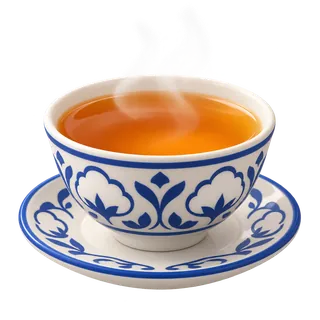
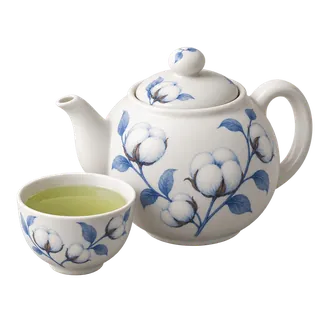
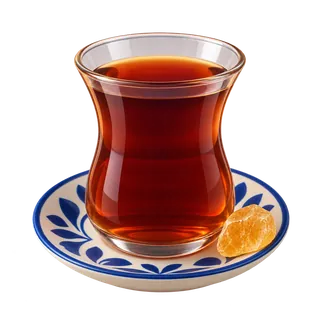
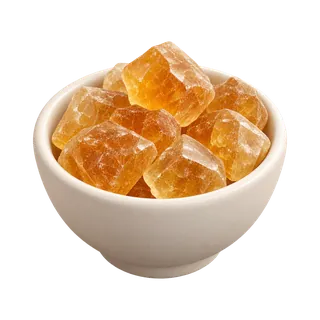
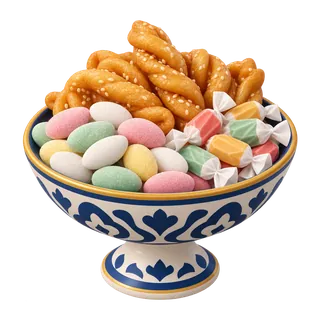
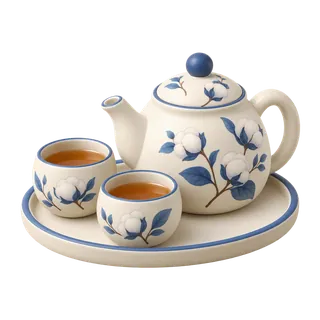
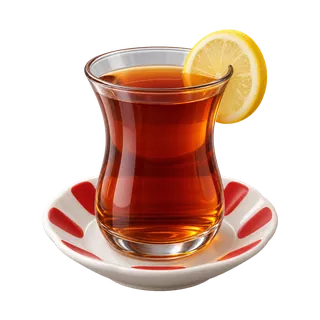
Dasturxondagi choy anjomlari: 14 so‘z
| Inglizcha | Talaffuz | O‘zbekcha | Misol |
|---|---|---|---|
| teapot | TI:-pot | choynak | The teapot has a cotton pattern on it. |
| tea bowl | TI: bəul | piyola | We drink tea from small tea bowls, not mugs. |
| saucer | SO:-sə | taqsimcha, likopcha | Put the piyola on the saucer. |
| kettle | KE-təl | choydish | The kettle is boiling. |
| samovar | SA-mə-va: | samovar | Some choyxonas still boil water in a samovar. |
| tray | trey | patnis | She brought the tea on a tray. |
| tea leaves | TI: li:vz | choy bargi, damlama | Use two spoons of tea leaves for one pot. |
| tea bag | TI: bag | paketli choy | At work we only have tea bags. |
| loose tea | lu:s TI: | quruq (to‘kma) choy | My grandmother only buys loose tea. |
| rock sugar | ROK shu-gə | navvot | Navvot is a kind of rock sugar made from crystallised sugar. |
| sugar cube | SHU-gə kyu:b | qand | One sugar cube or two? |
| dried fruit | drayd FRU:T | quruq meva | Tea is served with dried fruit and nuts. |
| teahouse | TI:-haus | choyxona | The teahouse opens early in the morning. |
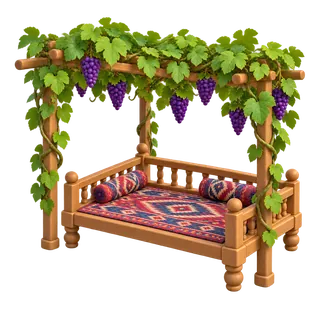
| raised platform | reyzd PLAT-fo:m | so‘ri, supa | We sat on a raised platform under the vines. |
Rock sugar bilan navvot to‘liq bir xil emas, shuning uchun o‘zbekcha nomini saqlab, izoh bering: navvot, a kind of rock sugar. Xuddi shunday so‘ri: a so‘ri, a wooden platform where people sit and eat. Chet ellik uchun so‘ri so‘zi yangi, lekin rasmini ko‘rsa, darrov tushunadi.
Choy fe’llari: damlashdan ho‘plashgacha
| Fe’l | O‘zbekcha | Misol |
|---|---|---|
| boil (the water) | qaynatmoq | Boil the water first. |
| brew / let it brew | damlamoq, dam yedirmoq | Let it brew for five minutes. |
| pour | quymoq | Pour the tea slowly. |
| pour back | qaytarmoq | We pour it back into the pot three times. |
| refill / top up | yana quymoq | Can I top you up? |
| sip | ho‘plamoq | Sip it slowly, it’s hot. |
| let it cool | sovitmoq | Let it cool a little. |
| stir | aralashtirmoq | Stir in the sugar. |
| serve | uzatmoq, tortmoq | The youngest person usually serves the tea. |
Choyni qaytarish odatining o‘zini chet ellikka bir gap bilan ayting: We pour the tea back into the pot a few times so that it brews evenly. We call it qaytarish. Piyolaga nega yarimtagina choy quyilishi va bu nimani anglatishini to‘liq tushuntirish Uzbek traditions in English sahifasida bor, shuning uchun bu yerda takrorlamaymiz.
Brew ingliz tilida choy va qahva uchun ishlatiladi. Cook tea yoki make tea strong by boiling demang: choy qaynatilmaydi, damlanadi.
Choyxona: inglizcha tushuntirish
Choyxonani faqat teahouse deb qo‘ysangiz, chet ellik kichik kafeni tasavvur qiladi. Ikki-uch gap qo‘shing.
B1 namuna:
A choyxona is a traditional teahouse. People sit on raised wooden platforms, often in the shade of trees, and drink green tea from small bowls. It’s not only about tea: many choyxonas also serve plov and other hot food. Men from the neighbourhood meet there to talk, and older people often spend the whole afternoon there.
B2 namuna:
The closest English word is “teahouse”, but a choyxona feels more like a neighbourhood living room. Nobody rushes you, and a pot of tea can last for an hour of conversation. Traditionally it was a place for men, especially older men, but in cities you now see families, students and tourists too. For foreigners, the most surprising thing is often the seating: instead of chairs, you take your shoes off and sit on a so‘ri around a low table.



O‘zbek va ingliz choyi: nima farq qiladi
Ingliz tilida gaplashadigan mamlakatlarning o‘zida ham odat har xil, quyidagi jadval Britaniyadagi tipik manzarani ko‘rsatadi.
| O‘zbekistonda ko‘p oilalarda | Britaniyada ko‘p oilalarda | |
|---|---|---|
| Asosiy choy | ko‘k yoki qora, hududga va oilaga qarab | qora choy, ko‘pincha sut bilan |
| Idish | piyola, choynak | krujka (mug), paketli choy |
| Qo‘shimcha | navvot, qand, holva, quruq meva | sut, shakar, pechenye (biscuits) |
| Qachon | har mehmon bilan, ovqatdan oldin va keyin | kun davomida, ish tanaffusida |
| Kalit ibora | Choy iching! | I’ll put the kettle on. |
Britaniyada eshitiladigan so‘zlar:
- a cuppa — bir chashka choy (norasmiy): Fancy a cuppa?
- put the kettle on — choy qo‘yish: Come in, I’ll put the kettle on.
- builder’s tea — kuchli, sutli, shakarli qora choy.
- milk and two sugars — sut va ikki qoshiq shakar: How do you take it? — Milk and two sugars, please.
- afternoon tea — tushdan keyingi choy: sendvich, skon (scones) va pirojniy bilan, ko‘proq bayramona tadbir.
- tea (ovqat ma’nosida) — Angliyaning ba’zi hududlarida kechki ovqat ham tea deyiladi: What’s for tea?
Chet ellik mehmon How do you take your tea? deb so‘rasa, u sizdan sut yoki shakar qo‘shish-qo‘shmasligini so‘rayapti: Just as it is, thanks (hech narsasiz) yoki With a little sugar, please.
Mehmonga choy: mezbon va mehmon iboralari
Mezbon aytadi:
- Would you like some tea? Green or black? — Choy ichasizmi? Ko‘kmi, qorami?
- Let me pour you some tea. — Choy quyib beray.
- It’s hot, be careful. — Issiq, ehtiyot bo‘ling.
- Try it with navvot, it’s a kind of rock sugar. — Navvot bilan iching.
- Can I top you up? / More tea? — Yana quyaymi?
- Is it too strong? I can add some hot water. — Achchiqmi? Qaynoq suv qo‘shay.
Mehmon aytadi:
- Yes, please. Just a little. — Ha, ozgina.
- That’s lovely, thank you. — Juda yoqimli, rahmat.
- I’m fine for now, thanks. — Hozircha yetarli, rahmat.
- No more for me, thank you. It was delicious. — Menga bo‘ldi, rahmat.
O‘zbek mezboni “yana iching” deb bir necha marta undaydi, ingliz mezboni esa odatda bir marta so‘raydi. Bu farq va dasturxondagi boshqa iboralar yoqimli ishtaha inglizcha sahifasida.
Dialog: choyxonada chet ellik hamkasb bilan
A — Toshkentdagi IT kompaniyada ishlaydigan Javohir, B — Irlandiyadan kelgan hamkasbi Ciara. Tushlikka choyxonaga kelishdi.
A: Here we are. We can sit on the so‘ri, or at a table if you prefer.
B: Let’s try the so‘ri. Do I take my shoes off?
A: Yes, just leave them here. I’ll order a pot of green tea and some plov.
B: Green tea with plov? At home we’d have a cup of black tea with milk.
A: Green tea is lighter after oily food. Here, let me pour you some.
B: Why are you pouring it back into the pot?
A: It helps the tea brew evenly. We do it two or three times.
B: And you’ve only filled my bowl halfway.
A: That’s on purpose. There’s a whole story behind it, I’ll tell you while we eat. It’s hot, so sip it slowly.
B: Mm, it’s nice. A bit strong for me, though.
A: No problem, I’ll add some hot water. Would you like to try it with navvot?
B: What’s navvot?
A: It’s a kind of rock sugar. Some people drink tea with a piece of it.
B: Lovely. I could get used to this.
Choy haqida gapirganda chalkashadigan joylar
| Xato | To‘g‘ri | Izoh |
|---|---|---|
| Would you like blue tea? | Would you like green tea? | “Ko‘k” bu yerda green. |
| This tea is very hard. | This tea is very strong. | Kuchli choy — strong, suyuq — weak. |
| Pour me more tea please give. | Could I have a bit more tea, please? | Iltimosni to‘liq qolip bilan ayting. |
| We cook tea for ten minutes. | We let it brew for a few minutes. | Choy damlanadi — brew. |
| Drink, drink! | Please, have some tea. / Help yourself. | Buyruq shakli qo‘pol eshitiladi. |
| Choyxona is cafe. | A choyxona is a traditional teahouse. | Artikl va izoh qo‘shing. |
Mashq: gapni to‘ldiring
So‘zlar: brew, top you up, kettle, strong, saucer, rock sugar, green, teahouse.
- 1. In Uzbek, “ko‘k choy” is ___ tea, not blue tea.
- 2. Let the tea ___ for five minutes before you pour it.
- 3. Can I ___? Your bowl is empty.
- 4. The tea is too ___. Could you add some hot water?
- 5. Navvot is a kind of ___.
- 6. A choyxona is a traditional ___.
- 7. In Britain, people often say “I’ll put the ___ on.”
- 8. Put the piyola on the ___ so the table stays clean.
Tarjima qiling:
- 9. Choy issiq, sekin ho‘plang.
- 10. Menga bo‘ldi, rahmat. Choy juda mazali ekan.
Javoblar
1 — green; 2 — brew; 3 — top you up; 4 — strong; 5 — rock sugar; 6 — teahouse; 7 — kettle; 8 — saucer.
9 — The tea is hot, so sip it slowly.
10 — No more for me, thank you. The tea was delicious.
Choyxona suhbatini Bandi bilan mashq qiling
Choy haqidagi suhbat qisqa, lekin savollari kutilmagan bo‘ladi: “Nega qaytarasiz?”, “Nega yarim quydingiz?”. BandMate ilovasida Bandidan chet ellik mehmon rolini o‘ynashni so‘rang va choyxonada unga choy uzatib, har bir savolga bir-ikki gap bilan javob bering. Ilova so‘z tanlash va talaffuzingizga izoh beradi. Mehmonni uyda kutib olishning to‘liq ssenariysi esa mehmonni inglizcha kutib olish sahifasida, ichimliklar nomi va buyurtma iboralari ichimliklar inglizcha sahifasida.
BandMate’ni Google’da afzal manba qiling