Ekologiya haqidagi maktab matni to‘rt qadamda quriladi: muammo (Water is becoming scarce), sabab (because people waste it), oqibat (As a result, …) va yechim, eng yaxshisi o‘zingiz qiladigan aniq ish (I turn off the tap when I brush my teeth). Bitta muhim farq: o‘zbekcha "ekologiya yomon" deganda inglizchada the environment ishlatiladi. Ecology ingliz tilida asosan fan nomi.
Quyida shu to‘rt qadam uchun tayyor iboralar, uch darajadagi matn (suv tejash, shahar havosi, Orol dengizi) va tarjimasi, 14 ta so‘z, xatolar, shablon va mashq bor. Matnlarga raqamli statistika atayin kiritilmagan: o‘z matningizga raqam qo‘shmoqchi bo‘lsangiz, uni rasmiy manbadan oling va manbani ko‘rsating.
To‘rt qadam: muammo, sabab, oqibat, yechim
| Qadam | Tayyor ibora | Misol |
|---|---|---|
| Muammo | One of the biggest problems is… | One of the biggest problems in our city is air pollution. |
| Sabab | This happens because (of)… | This happens because of old cars and dust. |
| Oqibat | As a result, … | As a result, the sky is often grey in winter. |
| Yechim | We should… / It would help if… | We should plant more trees and use public transport. |
| Shaxsiy hissa | Personally, I… | Personally, I walk to school instead of asking for a lift. |
Bu jadvaldagi beshinchi qator ko‘pincha tushib qoladi, lekin matnni jonli qiladigan aynan u. "Hamma daraxt ekishi kerak" degan umumiy gapdan ko‘ra "biz sinfimiz bilan hovlimizga o‘nta o‘rik ko‘chati ekdik" degan gap kuchliroq.
A1: I save water
Water is very important. People, animals and plants need it. In Uzbekistan summers are hot and dry, so we must save water. At home I turn off the tap when I brush my teeth. I take short showers. My grandfather waters the garden in the evening, not at midday. At school we have posters about water. Every drop is important! (60 so‘z)
Tarjimasi. Suv juda muhim. Odamlarga, hayvonlarga va o‘simliklarga suv kerak. O‘zbekistonda yoz issiq va quruq, shuning uchun suvni tejashimiz kerak. Uyda tishimni yuvayotganda jo‘mrakni yopaman. Dushni qisqa qabul qilaman. Bobom bog‘ni tush paytida emas, kechqurun sug‘oradi. Maktabimizda suv haqida plakatlar bor. Har bir tomchi muhim!
E’tibor bering: turn off the tap — jo‘mrakni yopmoq. Must dan keyin to kelmaydi: we must save. Water sanalmaydi: a lot of water deyiladi, many waters emas.




A2: The air in our city
In winter the air in Tashkent is sometimes grey, and on some days you can even smell smoke. There are several reasons for this. First, there are more and more cars on the roads, and many of them are old. Second, there is a lot of building work, so the air is full of dust. Also, some houses still burn coal or wood for heating. To make the air cleaner, the city should plant more trees and build more metro lines and bike lanes. But people can help too. My family now checks an air quality app before we go for a walk, and my dad takes the metro to work twice a week instead of driving. (117 so‘z)
Tarjimasi. Qishda Toshkent havosi ba’zan kulrang tusga kiradi, ayrim kunlari hatto tutun hidi keladi. Buning bir necha sababi bor. Birinchidan, yo‘llarda mashinalar tobora ko‘payyapti va ularning ko‘pi eski. Ikkinchidan, qurilish ishlari ko‘p, shuning uchun havo changga to‘la. Bundan tashqari, ba’zi uylar hali ham isitish uchun ko‘mir yoki o‘tin yoqadi. Havoni tozaroq qilish uchun shahar ko‘proq daraxt ekishi, ko‘proq metro liniyasi va velosiped yo‘lagi qurishi kerak. Lekin odamlar ham yordam bera oladi. Oilam endi sayrga chiqishdan oldin havo sifatini ko‘rsatadigan ilovani tekshiradi, dadam esa haftada ikki marta ishga mashinada emas, metroda boradi.
E’tibor bering: sabablar tartib bilan sanalgan (First… Second… Also…), more and more — "tobora ko‘proq". Pollution ot, polluted sifat: Air pollution is a problem / The air is polluted. Should bilan taklif, can bilan imkoniyat aytiladi.
B1: The Aral Sea, a lesson for all of us
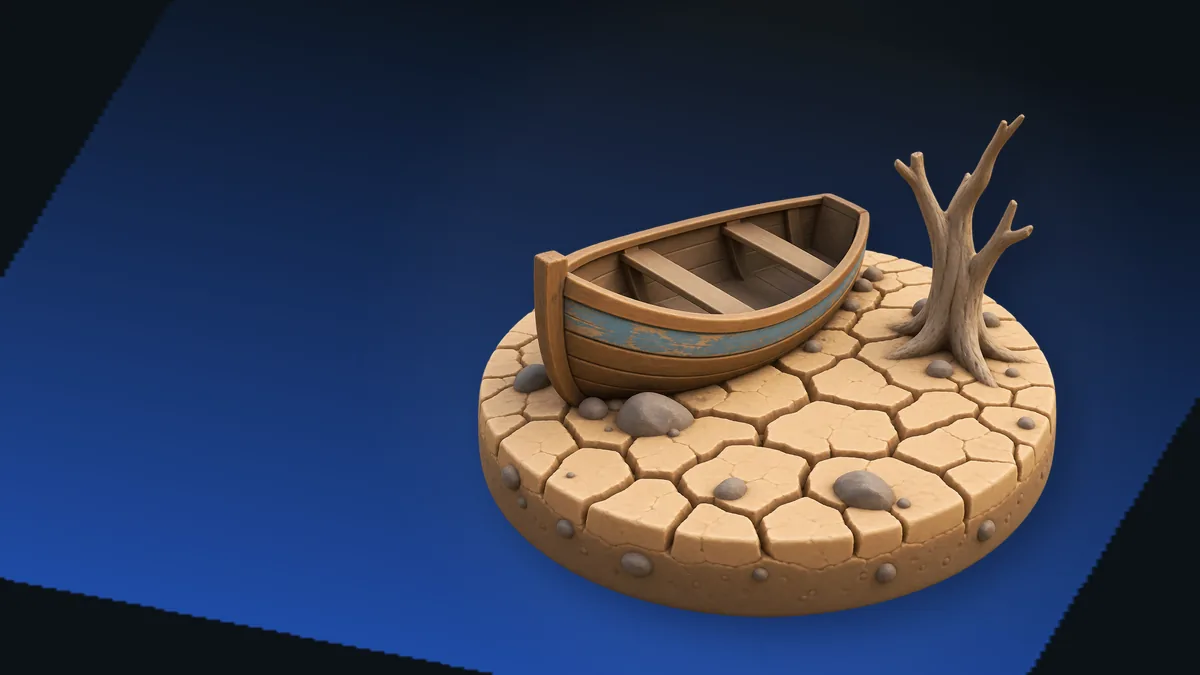
My grandmother grew up in Karakalpakstan, and she often tells me that when she was young, people in Muynak went fishing in the Aral Sea. Today Muynak is far from the water, and old fishing boats stand in the sand like a museum.
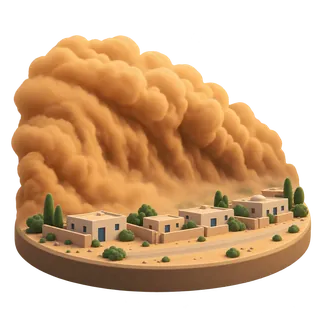
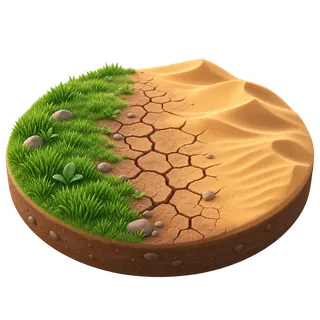
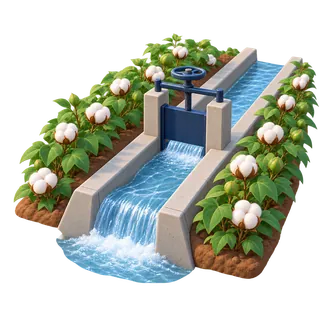
What happened? From the 1960s, huge amounts of water from the Amu Darya and the Syr Darya were taken for irrigation, mostly for cotton fields. Less and less water reached the sea, and it began to shrink. As the sea dried up, the fishing industry disappeared, and the wind started to carry salt and dust from the dry seabed to towns and fields. A new desert, the Aralkum, appeared where waves used to be.
It is very hard to bring the sea back, but people are trying to reduce the damage. Saxaul, a tough desert plant, is being planted on the old seabed to stop the sand from moving, and more farmers are switching to drip irrigation, which uses much less water. For me, the Aral Sea is a lesson: nature gives us a lot, but when we take too much, the whole region pays for it. (190 so‘z)
Tarjimasi. Buvim Qoraqalpog‘istonda o‘sgan va menga tez-tez aytib beradi: u yoshligida Mo‘ynoq aholisi Orol dengiziga baliq oviga chiqar ekan. Bugun Mo‘ynoq suvdan uzoqda, eski baliqchi kemalari esa xuddi muzeydagidek qum ustida turibdi.
Nima bo‘ldi? 1960-yillardan boshlab Amudaryo va Sirdaryoning juda katta miqdordagi suvi sug‘orish uchun, asosan paxta dalalariga olindi. Dengizga tobora kamroq suv yetib bordi va u kichrayishni boshladi. Dengiz qurigani sari baliqchilik yo‘qoldi, shamol esa quruq tubdan tuz va changni shahar va dalalarga uchira boshladi. Bir paytlar to‘lqinlar urgan joyda yangi cho‘l, Orolqum paydo bo‘ldi.
Dengizni qaytarish juda qiyin, lekin odamlar zararni kamaytirishga harakat qilyapti. Qumni to‘xtatish uchun eski dengiz tubiga chidamli cho‘l o‘simligi saksovul ekilyapti, tobora ko‘proq fermerlar esa suvni ancha kam sarflaydigan tomchilatib sug‘orishga o‘tyapti. Men uchun Orol dengizi bir saboq: tabiat bizga ko‘p narsa beradi, ammo biz haddan ortiq olsak, butun mintaqa buning uchun javob beradi.
Nega bu B1: majhul nisbat (were taken, is being planted), o‘tmishdagi holat uchun used to, sabab-oqibat zanjiri (Less and less water… As the sea dried up…) va shaxsiy xulosa. Majhul nisbatni qachon ishlatishni aniq bilmasangiz, majhul nisbat misollari sahifasini ko‘ring.
Bir daqiqalik og‘zaki variant
Og‘zaki javobda bitta muammoni tanlang va uni sabab, misol va yechim bilan oching.
Namuna (taxminan 1 daqiqa): For me, the biggest environmental problem in Uzbekistan is water. We live in a dry region, and we use a lot of water for farming, so there’s never quite enough. The Aral Sea is the clearest example: it has lost most of its water, and now the wind carries salt and dust from the old seabed. I think farmers need modern irrigation, and the rest of us should stop wasting water at home. It sounds like a small thing, but if millions of people turn off the tap while they’re brushing their teeth, it really adds up.
Bu mavzu IELTS Speaking Part 3 da ham uchraydi, faqat u yerda savollar chuqurroq bo‘ladi; namunalar environment savollari sahifasida.
Atrof-muhit matni uchun 14 ta so‘z
| Inglizcha | Tarjima | Misol |
|---|---|---|
| environment | atrof-muhit | We must protect the environment. |
| pollution | ifloslanish | Plastic pollution is a big problem. |
| polluted | ifloslangan | The river near our village is polluted. |
| waste | isrof qilmoq; chiqindi | Don’t waste water. |
| rubbish | axlat | Please don’t throw rubbish into the ariq. |
| recycle | qayta ishlashga topshirmoq | We recycle paper at school. |
| drought | qurg‘oqchilik | The drought destroyed the harvest. |
| dry up | qurib qolmoq | The pond dried up in August. |
| shrink | kichraymoq | The Aral Sea has shrunk a lot. |
| irrigation | sug‘orish | Cotton needs a lot of irrigation. |
| drip irrigation | tomchilatib sug‘orish | Drip irrigation saves water. |
| dust storm | chang bo‘roni | We had a dust storm yesterday. |
| plant trees | daraxt ekmoq | Our class planted trees in the yard. |
| climate change | iqlim o‘zgarishi | Climate change affects farmers. |
To‘liqroq ro‘yxat va Orol fojiasini tushuntiruvchi so‘zlar ekologiya so‘zlari inglizcha sahifasida.
"Our ecology is bad": atrof-muhit matnidagi 7 xato
| Xato | To‘g‘ri |
|---|---|
| Our ecology is bad. | Our environment is polluted. / We have serious environmental problems. |
| We must to save water. | We must save water. |
| There are many rubbishes in the park. | There is a lot of rubbish in the park. |
| The Aral Sea is dried. | The Aral Sea has dried up / has shrunk. |
| People must protect the nature. | People must protect nature. |
| We collected plastics bottles. | We collected plastic bottles. |
| The air is very pollution. | The air is very polluted. |
Talaffuzga ham e’tibor bering: environment /ɪnˈvaɪrənmənt/, urg‘u ikkinchi bo‘g‘inda va o‘rtadagi n ham aytiladi. Nature umumiy ma’noda artiklsiz ishlatiladi, xuddi o‘zbekchadagi "tabiat" kabi.
Shablon: o‘z matningiz uchun
One of the biggest environmental problems in ______ is ______. This happens because ______. As a result, ______. I think the government / our city should ______. But ordinary people can help too. For example, ______. In my family we ______. At school we ______. If everyone ______, our ______ will be cleaner.
Matningiz shaharingiz yoki qishlog‘ingizdagi aniq joy haqida bo‘lsa (ariq, bog‘, bozor atrofi), u o‘qituvchi o‘qigan o‘ttizta bir xil matndan ajralib turadi.
Mashq: muammo, yechim va so‘z shakli
A. Muammoni yechim bilan moslang.
1. air pollution 2. wasting water 3. plastic rubbish 4. moving sand and dust
a) recycle bottles and use a cloth bag b) plant saxaul and trees c) take the metro or walk d) fix leaking taps
B. Bo‘shliqni to‘ldiring.
5. The river is very ___ (pollute).
6. The pond dried ___ last summer.
7. Please don’t ___ water.
8. Our class ___ (plant) twenty trees last spring.
9. Tarjima qiling: "Biz qog‘ozni qayta ishlashga topshiramiz."
Javoblar
1. c 2. d 3. a 4. b 5. polluted 6. up 7. waste 8. planted 9. We recycle paper.
Bandi bilan atrof-muhit haqida bahslashing
Ekologiya mavzusida o‘quvchilar ko‘pincha yodlangan ikki-uch gapdan nariga o‘tolmaydi: savol biroz o‘zgarsa, javob to‘xtab qoladi. BandMate ilovasida Bandi What’s the biggest environmental problem where you live? deb so‘raydi, keyin fikringizga qarshi savol beradi (But isn’t cotton important for the economy?). Suhbatdan keyin grammatika va talaffuz bo‘yicha izoh chiqadi; u mashq uchun, rasmiy baho emas.
Bugungi qadam: shablonni o‘z shahringizdagi bitta muammo bilan to‘ldiring va uni bir daqiqada ovoz chiqarib ayting. Keyinchalik shu mavzuda insho yozmoqchi bo‘lsangiz, environment essay namunalari sahifasiga o‘ting.
BandMate’ni Google’da afzal manba qiling