
O‘zbekchadagi “uy hayvonlari” ingliz tilida ikkiga bo‘linadi. Xo‘jalikda boqiladigan sigir, qo‘y, tovuq — farm animals yoki livestock. Uyda erkalab boqiladigan it, mushuk, to‘tiqush — pets. Bir nechta hayvonning bolasi alohida so‘z bilan ataladi: cow → calf, sheep → lamb, horse → foal, dog → puppy, cat → kitten.
Hozir bitta gap tuzing: My grandparents in the village have two cows, ten sheep and a lot of chickens. E’tibor bering: ten sheep, sheeps emas.

Yirik xo‘jalik hayvonlari
| № | Inglizcha | O‘zbekcha | Misol |
|---|---|---|---|
| 1 | cow | sigir | Our cow gives about ten litres of milk a day. |
| 2 | bull | buqa | Stay away from the bull, it’s dangerous. |
| 3 | ox (ko‘plik: oxen) | ho‘kiz | In the past, farmers ploughed with oxen. |
| 4 | cattle | qoramol (umumiy) | Cattle graze by the river in summer. |
| 5 | sheep (ko‘plik: sheep) | qo‘y | The shepherd has two hundred sheep. |
| 6 | ram | qo‘chqor | The ram has big curly horns. |
| 7 | goat | echki | My aunt makes cheese from goat’s milk. |
| 8 | horse | ot | Karabair horses are an old Uzbek breed. |
| 9 | mare | biya | The mare and her foal are in the field. |
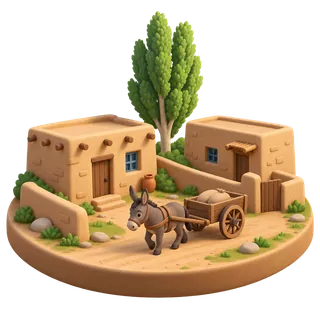
| 10 | donkey | eshak | The old man took his donkey to the market. |
| 11 | mule | xachir | Mules carry bags up the mountain paths. |
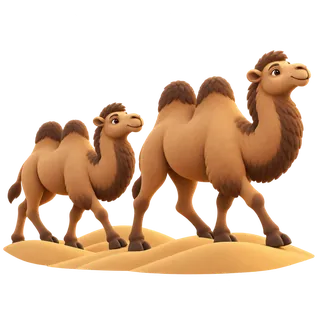
| 12 | camel | tuya | Camels can go without water for many days. |
Cattle faqat ko‘plikda ishlatiladi: The cattle are hungry, a cattle yoki cattles emas. Bitta hayvon haqida gapirsangiz, a cow yoki a bull deng.
Parranda va mayda hayvonlar
| № | Inglizcha | O‘zbekcha | Misol |
|---|---|---|---|
| 13 | chicken | tovuq (umumiy) | We keep chickens in the backyard. |
| 14 | hen | makiyon, tuxum qo‘yadigan tovuq | This hen lays an egg every day. |
| 15 | rooster (UK: cock) | xo‘roz | The rooster wakes the whole mahalla at five. |
| 16 | duck | o‘rdak | Ducks swim in the ariq behind the house. |
| 17 | goose (ko‘plik: geese) | g‘oz | Geese can be very aggressive. |
| 18 | turkey | kurka | Turkeys are bigger than chickens. |
| 19 | pig | cho‘chqa | Pigs are very intelligent animals. |
| 20 | rabbit | quyon | My cousin keeps rabbits in a cage. |
| 21 | bee | asalari | My uncle keeps bees in the mountains. |
Chicken ham hayvon, ham go‘sht: There are chickens in the yard (sanaladi, hayvon), We had chicken for dinner (sanalmaydi, go‘sht). Xuddi shunday lamb — qo‘zichoq va qo‘zi go‘shti.
Pets: uyda boqiladigan hayvonlar
| № | Inglizcha | O‘zbekcha | Misol |
|---|---|---|---|
| 22 | dog | it | We take the dog for a walk twice a day. |
| 23 | cat | mushuk | Our cat sleeps on the radiator all winter. |
| 24 | parrot | to‘tiqush | The parrot can say “Salom”. |
| 25 | budgie | to‘lqinsimon to‘tiqush | Budgies are popular pets for children. |
| 26 | canary | kanareyka | The canary sings every morning. |
| 27 | pigeon | kaptar | My neighbour keeps pigeons on his roof. |
| 28 | hamster | xomyak | The hamster ran on its wheel all night. |
| 29 | guinea pig | dengiz cho‘chqachasi | A guinea pig is not a pig at all. |
| 30 | goldfish | oltin baliq, akvarium balig‘i | Don’t forget to feed the goldfish. |
| 31 | tortoise | toshbaqa (quruqlikdagi) | Our tortoise lives in the garden in summer. |
Kaptarbozlik — O‘zbekistonda eski an’ana. Uni inglizcha pigeon keeping deysiz: My grandfather has been keeping pigeons for forty years. Mahalladagi katta itlarni esa ko‘pincha Central Asian Shepherd Dog yoki qisqa qilib alabai deyishadi.
Ferma, odamlar va to‘dalar
| № | Inglizcha | O‘zbekcha | Misol |
|---|---|---|---|
| 32 | farm | ferma, xo‘jalik | He grew up on a farm near Andijan. |
| 33 | barn / cowshed | molxona, og‘il | The cows sleep in the cowshed in winter. |
| 34 | stable | otxona | The horses are in the stable. |
| 35 | shepherd | cho‘pon | The shepherd moves the sheep to the mountains in May. |
To‘dalar nomi ham farq qiladi: a herd of cows / horses / camels (poda, uyur), a flock of sheep / goats (suruv) va qushlar uchun ham a flock of birds. A pack of dogs — itlar to‘dasi.
Bolalari: calf, lamb, kid
| Katta hayvon | Bolasi | O‘zbekcha | Misol |
|---|---|---|---|
| cow | calf (ko‘plik: calves) | buzoq | The calf was born last night. |
| sheep | lamb | qo‘zichoq | The lambs are playing in the yard. |
| goat | kid | uloq, echki bolasi | A kid can climb almost anywhere. |
| horse | foal | qulun, toy | The foal is only a week old. |
| donkey | foal | xo‘tik | The donkey’s foal follows its mother everywhere. |
| camel | calf | bo‘taloq | The camel calf stays close to its mother. |
| dog | puppy | kuchukcha | We got a puppy for my son’s birthday. |
| cat | kitten | mushukcha | The kittens are sleeping in a box. |
| chicken | chick | jo‘ja | The chicks follow the hen around the yard. |
| duck | duckling | o‘rdakcha | Five ducklings jumped into the water. |
| goose | gosling | g‘ozcha | Goslings are yellow and fluffy. |
| pig | piglet | cho‘chqa bolasi | The piglets were drinking milk. |
| rabbit | kit, bunny | quyoncha | Children often call a small rabbit a bunny. |
Kid — so‘zlashuvda “bola” ma’nosida ham keladi: My kids love animals. Echki bolasi haqida gap ketsa, kontekst ma’noni ochib beradi.
Fe’llar: parvarish va ish
| Inglizcha | O‘zbekcha | Misol |
|---|---|---|
| feed | yem bermoq, boqmoq | I feed the chickens every morning. |
| graze | o‘tlamoq | The sheep are grazing on the hill. |
| milk | sog‘moq | My grandmother milks the cow at dawn. |
| shear | qirqmoq (jun) | They shear the sheep in late spring. |
| lay eggs | tuxum qo‘ymoq | Our hens lay eggs in the straw. |
| ride | minmoq | Can you ride a horse? |
| walk the dog | itni sayrga olib chiqmoq | It’s your turn to walk the dog. |
| look after | qaramoq | Who looks after your cat when you travel? |
Hayvon mahsulotlari ham shu mavzuga kiradi:
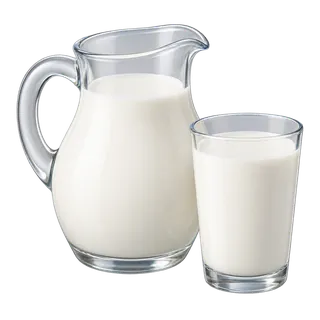
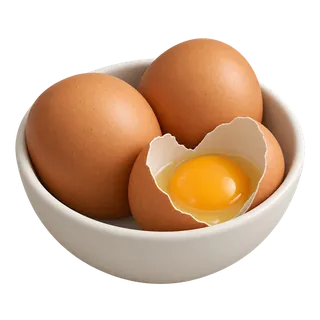
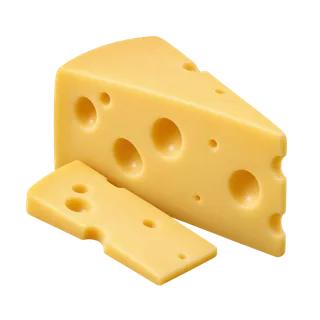
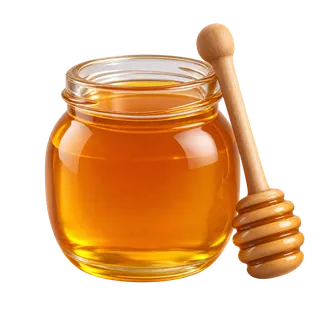
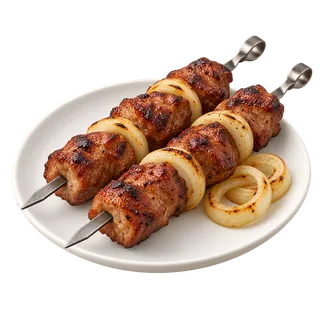
Milk, cheese, honey, meat sanalmaydi: a milk emas, some milk yoki a glass of milk. Eggs esa sanaladi: two eggs, a dozen eggs.
Ko‘plikdagi tuzoqlar
| Birlik | Ko‘plik | Xato shakl |
|---|---|---|
| sheep | sheep | sheeps |
| fish | fish (turlari haqida: fishes) | fishs |
| goose | geese | gooses |
| mouse | mice | mouses |
| ox | oxen | oxes |
| calf | calves | calfs |
| deer | deer | deers |
Bu qoidalar va boshqa noto‘g‘ri ko‘plik shakllari ingliz tilida birlik va ko‘plik sahifasida.
Dialog: “Can we get a dog?”
Bobur: Dad, can we get a dog? Everyone in my class has a pet.
Otasi: A dog is a big responsibility. Who’s going to walk it every day?
Bobur: Me! In the morning before school and in the evening.
Otasi: And who will feed it when we visit Grandma in the village?
Bobur: We can take it with us. Grandma has chickens and a cow, it’ll love it there.
Otasi: And chase the chickens all day. Let’s start with something smaller. A hamster or a budgie?
Bobur: A budgie doesn’t even like being stroked!
Otasi: OK, a kitten, then. Cats walk themselves.
O‘zbek o‘quvchilari ko‘p qiladigan xatolar
| Xato | To‘g‘ri | Izoh |
|---|---|---|
| We have ten sheeps. | We have ten sheep. | Sheep ko‘plikda o‘zgarmaydi |
| I ate a chicken for lunch. | I had chicken for lunch. | Go‘sht — sanalmaydi |
| a small dog’s child | a puppy | Bolasining alohida nomi bor |
| home animals | pets / farm animals | Inglizchada home animals deyilmaydi |
| The cattles are in the field. | The cattle are in the field. | Cattle — faqat ko‘plik |
| My dog name is Rex. | My dog’s name is Rex. | Egalik uchun ’s |
| I’m afraid from dogs. | I’m afraid of dogs. | “Itdan qo‘rqaman” — lekin inglizchada of |
Mashq
A. Hayvonning bolasini yozing.
- 1. cow — ______
- 2. sheep — ______
- 3. horse — ______
- 4. cat — ______
- 5. duck — ______
- 6. goat — ______
B. Ko‘plik shaklini yozing.
- 7. one goose — three ______
- 8. one sheep — twenty ______
- 9. one calf — two ______
C. To‘g‘ri variantni tanlang.
- 10. A (herd / flock) of sheep was coming down the hill.
- 11. Grandma (milks / feeds) the cow at five and gets two buckets of milk.
- 12. I’d like (a chicken / some chicken) with rice, please.
D. Tarjima qiling.
- 13. Bizning uyda mushuk va ikkita to‘tiqush bor.
- 14. Cho‘pon qo‘ylarni tog‘ga olib ketdi.
Javoblar
1 — calf; 2 — lamb; 3 — foal; 4 — kitten; 5 — duckling; 6 — kid; 7 — geese; 8 — sheep; 9 — calves; 10 — flock; 11 — milks; 12 — some chicken; 13 — We have a cat and two parrots at home; 14 — The shepherd took the sheep to the mountains.
BandMate bilan mashq
“Do you have a pet?” va “Did you have animals when you were a child?” — suhbatda va IELTS Speaking Part 1 da ko‘p so‘raladigan savollar. BandMate ilovasida Bandi bilan shu mavzuda gaplashing: qishloqdagi hayvonlar yoki uy hayvoningiz haqida uch-to‘rt gap ayting. Ilova sheeps kabi ko‘plik xatolarini va talaffuzni (sheep /ʃiːp/ va ship /ʃɪp/ farqi) ko‘rsatadi. Keyingi qadamlar: tabiatda yashovchilar — yovvoyi hayvonlar inglizcha, hayvonlar qanday ovoz chiqarishi esa hayvonlar ovozi inglizcha sahifasida.
BandMate’ni Google’da afzal manba qiling