Yovvoyi hayvonlar ingliz tilida wild animals, ularning tabiiy yashash joyi esa habitat. Eng kerakli nomlar: bear (ayiq), wolf (bo‘ri), fox (tulki), deer (bug‘u, kiyik), snow leopard (qor qoploni), lion (sher), tiger (yo‘lbars), elephant (fil). Qayerda yashashini aytish uchun: Bears live in forests and mountains. Hayvonlar haqida umumiy gapirganda ko‘plik va artiklsiz shakl ishlatiladi: Wolves hunt in packs, The wolves hunt emas.
Tezkor mashq: O‘zbekistonda yashaydigan bitta yovvoyi hayvonni nomlang. Snow leopards live high in the mountains of Uzbekistan, but they are very rare.
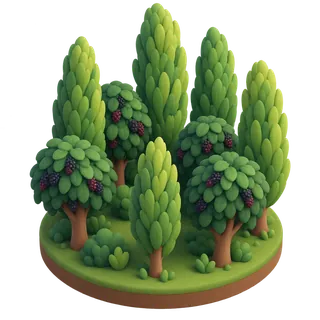


O‘zbekiston tog‘ va o‘rmonlarida
| № | Inglizcha | O‘zbekcha | Misol |
|---|---|---|---|
| 1 | bear | ayiq | Brown bears live in the Chatkal mountains. |
| 2 | wolf (ko‘plik: wolves) | bo‘ri | Wolves usually hunt in packs. |
| 3 | fox | tulki | A fox ran across the road in front of our car. |
| 4 | wild boar | to‘ng‘iz, yovvoyi cho‘chqa | Wild boars dig up the ground looking for roots. |
| 5 | lynx | silovsin | The lynx has black tufts on its ears. |
| 6 | snow leopard | qor qoploni, ilvirs | The snow leopard is one of the rarest cats in the world. |
| 7 | ibex | tog‘ echkisi | Ibex can stand on very steep rocks. |
| 8 | argali | arxar | The argali is a wild mountain sheep with huge horns. |
| 9 | markhor | morxo‘r | The markhor has long spiral horns. |
| 10 | marmot | sug‘ur | Marmots whistle when they see danger. |
| 11 | squirrel | olmaxon | A squirrel was hiding nuts under the tree. |
| 12 | badger | bo‘rsiq | Badgers come out at night. |
| 13 | porcupine | jayra | A porcupine is covered in long sharp quills. |
| 14 | deer (ko‘plik: deer) | bug‘u, kiyik | The Bukhara deer lives in the tugai forests by the rivers. |
Deer ko‘plikda ham deer: We saw three deer. Wolf → wolves esa f → ves qoidasiga bo‘ysunadi, xuddi leaf → leaves kabi.
Cho‘l va dashtlarda
| № | Inglizcha | O‘zbekcha | Misol |
|---|---|---|---|
| 15 | saiga | sayg‘oq | Saigas live on the Ustyurt plateau. |
| 16 | gazelle | jayron | Gazelles can run very fast across the desert. |
| 17 | jackal | chiyabo‘ri | At night you can hear jackals howling. |
| 18 | hare | quyon (yovvoyi), tovushqon | A hare is bigger than a rabbit and has longer ears. |
| 19 | hedgehog | tipratikan | The hedgehog rolled into a ball. |
| 20 | tortoise | toshbaqa | Central Asian tortoises wake up in early spring. |
| 21 | monitor lizard | echkemar | The desert monitor lizard can be over a metre long. |
| 22 | lizard | kaltakesak | A small lizard was lying on a warm stone. |
| 23 | snake | ilon | Watch your step, there may be snakes in the grass. |
| 24 | scorpion | chayon | Always shake your shoes in the desert — scorpions hide in them. |
| 25 | jerboa | qo‘shoyoq | The jerboa jumps on its long back legs. |
| 26 | bat | ko‘rshapalak | Bats sleep upside down during the day. |
Hare va rabbit farq qiladi: hare — yovvoyi, uzun quloqli, ochiq dalada yashaydi; rabbit — kichikroq, in qazib yashaydi va ko‘pincha uyda boqiladi. Uyda va xo‘jalikda boqiladigan hayvonlar uy hayvonlari inglizcha sahifasida.
Afrika savannasi va Osiyo o‘rmonlari
| № | Inglizcha | O‘zbekcha | Misol |
|---|---|---|---|
| 27 | lion | sher, arslon | Lions live in groups called prides. |
| 28 | cheetah | gepard | The cheetah is the fastest land animal. |
| 29 | elephant | fil | Elephants never forget — or so people say. |
| 30 | giraffe | jirafa | Giraffes eat leaves from the tops of trees. |
| 31 | zebra | zebra | No two zebras have the same stripes. |
| 32 | rhino (rhinoceros) | karkidon | Rhinos are hunted for their horns. |
| 33 | hippo (hippopotamus) | begemot | Hippos spend most of the day in water. |
| 34 | hyena | sirtlon | Hyenas make a sound like laughing. |
| 35 | crocodile | timsoh | The crocodile was waiting quietly in the river. |
| 36 | tiger | yo‘lbars | Tigers once lived along the Amu Darya. |
| 37 | leopard | qoplon | A leopard can carry its food up a tree. |
| 38 | monkey | maymun | The monkeys stole our sandwiches at the zoo. |
| 39 | gorilla | gorilla | Gorillas are the largest apes. |
| 40 | panda | panda | Pandas eat bamboo almost all day. |
Monkey va ape farqi: maymunlarning dumi bor (monkey), gorilla va shimpanzeda dum yo‘q (ape). Bolalar kitoblarida bu farq ko‘pincha e’tiborsiz qoladi, ammo biologiya matnlarida muhim.
Sovuq o‘lkalar, daryo va boshqa qit’alar
| № | Inglizcha | O‘zbekcha | Misol |
|---|---|---|---|
| 41 | polar bear | oq ayiq | Polar bears hunt on the sea ice. |
| 42 | moose (UK: elk) | los | A moose is taller than a horse. |
| 43 | reindeer | shimol bug‘usi | Reindeer can live in very cold places. |
| 44 | beaver | qunduz | Beavers build dams across rivers. |
| 45 | otter | suvsar | Otters float on their backs. |
| 46 | raccoon | yenot | Raccoons open rubbish bins at night. |
| 47 | kangaroo | kenguru | A baby kangaroo lives in its mother’s pouch. |
| 48 | koala | koala | Koalas sleep up to twenty hours a day. |
| 49 | frog | baqa | The frogs were very loud near the pond. |
| 50 | mole | ko‘rsichqon | Moles live underground and can hardly see. |
Qushlar va dengiz hayvonlari alohida mavzular: qushlar nomi inglizcha va dengiz hayvonlari inglizcha.
Qayerda yashaydi: habitat so‘zlari
| Inglizcha | O‘zbekcha | Kim yashaydi |
|---|---|---|
| forest | o‘rmon | bears, wild boars, squirrels |
| mountains | tog‘lar | snow leopards, ibex, marmots |
| desert | cho‘l | gazelles, jerboas, monitor lizards |
| steppe | dasht | saigas, wolves |
| savanna(h) | savanna | lions, zebras, giraffes |
| rainforest / jungle | tropik o‘rmon | monkeys, gorillas, tigers |
| the Arctic | Arktika | polar bears, reindeer |
| river, lake | daryo, ko‘l | beavers, otters, crocodiles |
Gap qolipi: [Hayvon]s live in [joy]. yoki You can find [hayvon]s in [joy]. Hayvonning uyi ham alohida so‘z: den (ayiq, bo‘ri uyasi), burrow (in: sug‘ur, quyon), nest (qush uyasi).
Tasvirlash sifatlari
| Sifat | O‘zbekcha | Misol |
|---|---|---|
| huge / tiny | ulkan / juda kichik | An elephant is huge; a jerboa is tiny. |
| fierce | yirtqich, shafqatsiz | The tiger looked fierce. |
| shy | tortinchoq | Snow leopards are shy and avoid people. |
| dangerous | xavfli | Wild boars can be dangerous in spring. |
| endangered | yo‘qolib ketish xavfi ostida | Poaching has made many species endangered. |
| rare | kam uchraydigan | Markhors are rare in Uzbekistan. |
| nocturnal | tungi (tunda faol) | Bats and badgers are nocturnal. |
| striped / spotted | yo‘l-yo‘l / xol-xol | Tigers are striped; leopards are spotted. |
| furry | qalin junli | The snow leopard has a thick, furry tail. |
| venomous | zaharli (chaqib, tishlab) | Some snakes are venomous. |
Hayvonlarni taqqoslash uchun sifat darajalari kerak: Cheetahs are faster than lions. The elephant is the heaviest land animal. Qoida va istisnolar sifat darajalari sahifasida.
Qisqa matn: The brown bear
Quyidagi matn umumiy ma’lumot sifatida yozilgan; aniq raqamlar va ro‘yxatlar uchun qo‘riqxonalar va O‘zbekiston Qizil kitobining rasmiy manbalariga murojaat qiling.
Brown bears live in the forests and mountains of Europe, Asia and North America. In Uzbekistan they can be found in the western Tian Shan, for example in the Chatkal and Ugam mountains. A brown bear is big and strong, but it is not only a meat-eater. It eats grass, roots, berries, nuts and insects, and sometimes small animals. In autumn it eats a lot to build up fat. When winter comes, the bear goes into a den and sleeps for several months. Cubs are born in the den in the middle of winter, and they come out with their mother in spring. Bears have an excellent sense of smell and can run surprisingly fast. They usually avoid people, so if you see a bear in the mountains, stay calm, do not run and slowly move away.
Matn bo‘yicha savollar: Where do brown bears live in Uzbekistan? What do they eat? Where are the cubs born? Javobni to‘liq gap bilan ovoz chiqarib ayting.
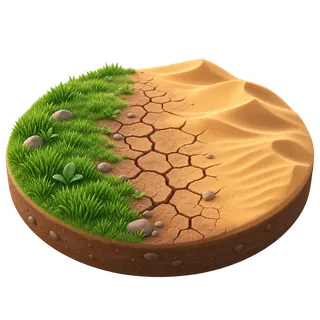
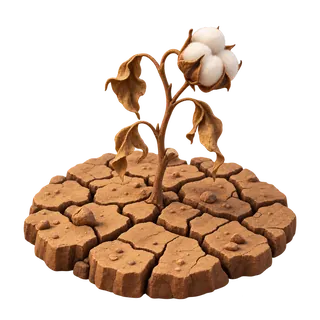


Yovvoyi hayvonlarga eng katta xavf — yashash joyining yo‘qolishi (habitat loss), ov (hunting, poaching) va iqlim o‘zgarishi. Bu mavzu IELTS Speaking Part 3 va Writing Task 2 da ko‘p uchraydi.
O‘zbek o‘quvchilari ko‘p qiladigan xatolar
| Xato | To‘g‘ri | Izoh |
|---|---|---|
| The wolves are dangerous. (umuman) | Wolves are dangerous. | Umumiy fikr — artiklsiz ko‘plik |
| three deers | three deer | Deer o‘zgarmaydi |
| wolfs | wolves | f → ves |
| Bear lives in forest. | Bears live in forests. / The bear lives in the forest. | Artikl yoki ko‘plik shart |
| a leopard with points | a spotted leopard | Dog‘ — spots, yo‘l — stripes |
| poisonous snake (chaqsa) | venomous snake | Tishlab zaharlasa — venomous |
| He is afraid from snakes. | He is afraid of snakes. | Afraid of |
Mashq
A. Hayvonni toping.
- 1. Eng tez quruqlik hayvoni — ______
- 2. Tog‘da yashaydigan, juda kam uchraydigan katta mushuk — ______
- 3. Daryoda to‘g‘on quradi — ______
- 4. Kunduzi boshini pastga qilib uxlaydi — ______
- 5. Uzun orqa oyoqlarida sakraydigan kichik cho‘l hayvoni — ______
B. Habitat bilan juftlang: desert, the Arctic, savannah, mountains.
- 6. polar bear — ______
- 7. zebra — ______
- 8. ibex — ______
- 9. monitor lizard — ______
C. Xatoni tuzating.
- 10. We saw five deers in the reserve.
- 11. The bear eat berries and nuts.
- 12. Leopards are striped.
Javoblar
1 — cheetah; 2 — snow leopard; 3 — beaver; 4 — bat; 5 — jerboa; 6 — the Arctic; 7 — savannah; 8 — mountains; 9 — desert; 10 — We saw five deer in the reserve; 11 — The bear eats berries and nuts (yoki Bears eat berries and nuts); 12 — Leopards are spotted (Tigers are striped).
BandMate bilan mashq
“What’s your favourite wild animal and why?” — suhbatda ham, IELTS Speaking Part 1 da ham uchraydigan savol. BandMate ilovasida Bandi bilan shu savolga javob bering: hayvonni nomlang, qayerda yashashini ayting va ikkita sifat bilan tasvirlang. Ilova talaffuz (wolves, bear, deer) va artikl xatolari bo‘yicha izoh beradi. Hayvonlar yashaydigan joylar so‘zlarini to‘ldirish uchun tabiat so‘zlari inglizcha sahifasiga o‘ting.
BandMate’ni Google’da afzal manba qiling