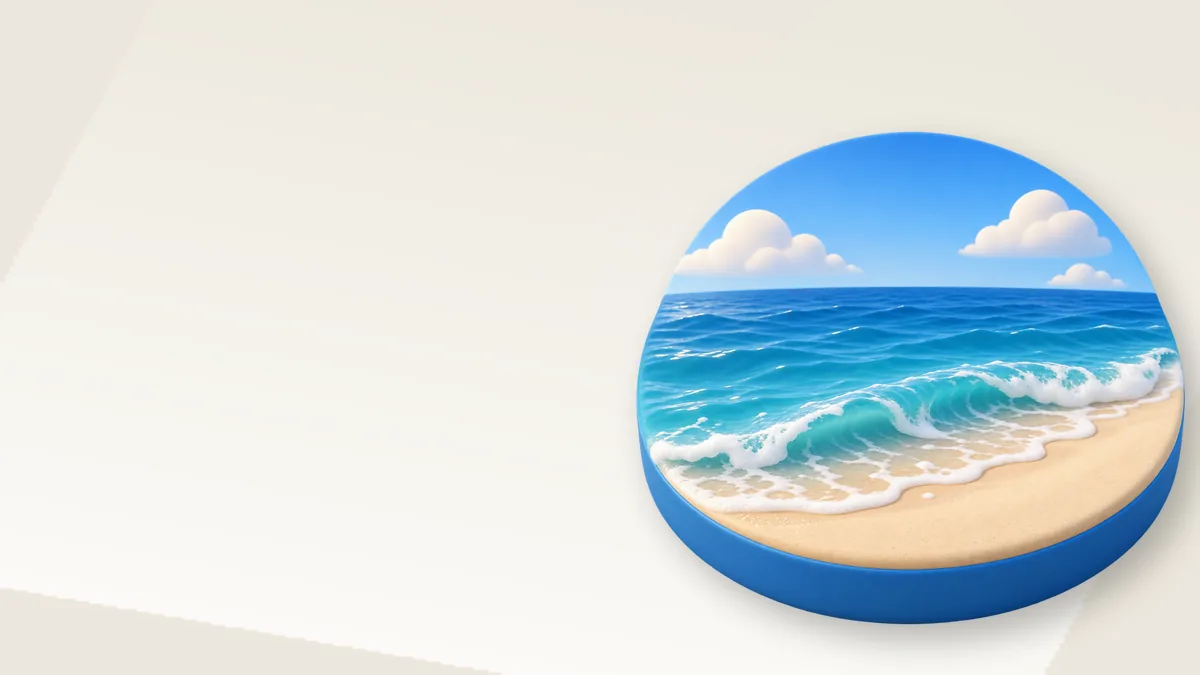
Dengiz hayvonlari ingliz tilida sea animals yoki sea creatures, suvda yashovchilar umumiy qilib marine life deyiladi. Eng ko‘p so‘raladiganlari: shark (akula), whale (kit), dolphin (delfin), octopus (sakkizoyoq), jellyfish (meduza) va crab (qisqichbaqa). O‘zbekistonning daryo va ko‘llari uchun esa carp (zog‘ora baliq), catfish (laqqa) va pike (cho‘rtan) kerak bo‘ladi.
Bitta muhim farq: kit va delfin baliq emas. Ular havodan nafas oladi va bolasini sut bilan boqadi, ya’ni mammals (sutemizuvchilar). A whale is a fish degan gap inglizlar uchun xato fakt.



Ochiq dengiz va okeanda
| № | Inglizcha | O‘zbekcha | Misol |
|---|---|---|---|
| 1 | shark /ʃɑːk/ | akula | A shark has several rows of sharp teeth. |
| 2 | whale /weɪl/ | kit | The blue whale is the largest animal on Earth. |
| 3 | dolphin /ˈdɒlfɪn/ | delfin | Dolphins often swim next to boats. |
| 4 | octopus /ˈɒktəpəs/ | sakkizoyoq | An octopus can change its colour in seconds. |
| 5 | squid /skwɪd/ | kalmar | Fried squid is popular in Turkish seaside cafes. |
| 6 | jellyfish /ˈdʒelifɪʃ/ | meduza | Don’t touch that jellyfish, it can sting. |
| 7 | seal /siːl/ | tyulen | Seals lie on the rocks in the sun. |
| 8 | walrus /ˈwɔːlrəs/ | morj | A walrus has two long tusks. |
| 9 | sea turtle | dengiz toshbaqasi | Sea turtles lay their eggs on the beach. |
| 10 | stingray /ˈstɪŋreɪ/ | skat (dumida nishi bor baliq) | A stingray was hiding under the sand. |
| 11 | eel /iːl/ | ilonbaliq | An eel looks like a snake, but it’s a fish. |
| 12 | tuna /ˈtjuːnə/ | tunets | I bought a tin of tuna for the salad. |
| 13 | salmon /ˈsæmən/ | losos, qizil baliq | Salmon swim up rivers to lay eggs. |
| 14 | cod /kɒd/ | treska | Fish and chips in Britain is usually made with cod. |
| 15 | herring /ˈherɪŋ/ | seld | Salted herring with potatoes is a common winter dish. |
Talaffuz: whale so‘zida h eshitilmaydi, boshida w: lablar yumaloq. Salmon so‘zida l o‘qilmaydi: “salmon” emas, SAM-ən. Seal va sea farqi faqat oxirgi lda: I saw a seal in the sea.
Sohil va dengiz tubida
| № | Inglizcha | O‘zbekcha | Misol |
|---|---|---|---|
| 16 | crab /kræb/ | qisqichbaqa | A small crab ran sideways across the sand. |
| 17 | lobster /ˈlɒbstə/ | omar, yirik dengiz qisqichbaqasi | Lobster is very expensive in restaurants. |
| 18 | shrimp (US), prawn (UK) | krevetka | Could I have the prawn salad, please? |
| 19 | starfish /ˈstɑːfɪʃ/ | dengiz yulduzi | A starfish can grow a new arm. |
| 20 | seahorse /ˈsiːhɔːs/ | dengiz otchasi | In seahorses, the father carries the eggs. |
| 21 | coral /ˈkɒrəl/ | marjon | Warm water is killing the coral in many places. |
| 22 | oyster /ˈɔɪstə/ | ustritsa | Some oysters have pearls inside. |
| 23 | mussel /ˈmʌsl/ | midiya | Mussels grow on the rocks near the shore. |
Crab oxiridagi b jarangli qoladi. O‘zbekchada so‘z oxiridagi b ko‘pincha “p” bo‘lib ketadi, lekin crap deyilsa, ingliz uchun qo‘pol so‘z chiqadi. Oxirgi tovushni biroz cho‘zib, jarangli tugating.
O‘zbekiston daryo va ko‘llarida
Sirdaryo, Amudaryo, Chorvoq suv ombori va baliq xo‘jaliklarida uchraydigan jonzotlar. Bozorda baliq sotib olayotganda aynan shu so‘zlar kerak bo‘ladi.
| № | Inglizcha | O‘zbekcha | Misol |
|---|---|---|---|
| 24 | carp /kɑːp/ | zog‘ora baliq, karp | My grandfather caught a big carp in the canal. |
| 25 | silver carp | do‘ngpeshona | Silver carp is the cheapest fish at our bazaar. |
| 26 | grass carp | oq amur | Grass carp eat water plants. |
| 27 | catfish /ˈkætfɪʃ/ | laqqa baliq | A catfish has long whiskers like a cat. |
| 28 | pike /paɪk/ | cho‘rtan baliq | Pike have lots of small bones. |
| 29 | trout /traʊt/ | forel, gulmoy | We had grilled trout at a cafe near Charvak. |
| 30 | perch /pɜːtʃ/ | olabug‘a | He fishes for perch in the early morning. |
| 31 | sturgeon /ˈstɜːdʒən/ | bakra, osyotr | Sturgeon are very rare in the Amu Darya today. |
| 32 | crayfish /ˈkreɪfɪʃ/ | daryo qisqichbaqasi | Crayfish live under stones in clean rivers. |
| 33 | frog /frɒɡ/ | qurbaqa | The frogs are so loud in the rice fields at night. |
| 34 | tadpole /ˈtædpəʊl/ | itbaliq | Tadpoles turn into frogs in a few weeks. |
Grammatika: fish, fishes va seafood
- fish ko‘plikda odatda o‘zgarmaydi: one fish, three fish. Fishes faqat ilmiy matnda turli baliq turlari haqida gapirilganda uchraydi.
- Ovqat sifatida fish sanalmaydi: I don’t eat much fish. A fish desangiz, butun bitta baliq tushuniladi.
- seafood (dengiz mahsulotlari) doim sanalmaydi: Do you like seafood? (seafoods emas).
- octopus ko‘pligi — octopuses. Sheep, deer, fish kabi o‘zgarmaydigan so‘zlar uchun: two shrimp yoki two shrimps ikkalasi ham ishlatiladi.
- To‘da nomlari: a school of fish, a pod of dolphins. Bu so‘zlar IELTS Reading matnlarida uchrab turadi.
Sanaladigan va sanalmaydigan otlar qoidasi bu sahifada jadval bilan tushuntirilgan.
Qisqa matn: Sharks
Matnni ovoz chiqarib o‘qing. Keyin pastdagi savollarga javob bering.
Sharks have lived in the oceans for hundreds of millions of years, much longer than dinosaurs. They are fish, but their skeleton is not made of bone. It is made of cartilage, the same soft material we have in our ears and nose. A shark never runs out of teeth: when one falls out, a new tooth moves forward to replace it. Sharks have an excellent sense of smell and can notice a tiny amount of blood in the water. The biggest shark, the whale shark, is harmless to people. It swims with its mouth open and eats plankton, very small animals and plants. Films show sharks as monsters, but attacks on humans are rare. In fact, people are much more dangerous to sharks: fishing boats catch huge numbers of them every year, and some species are now endangered.
Savollar: 1) What is a shark’s skeleton made of? 2) What does the whale shark eat? 3) Who is more dangerous, sharks or people?
Lug‘at: cartilage — tog‘ay, sense of smell — hid bilish, harmless — zararsiz, endangered — yo‘qolib ketish xavfi ostidagi.
Orol dengizi haqida gapirish
Chet ellik hamkasbingiz O‘zbekistonda dengiz bormi deb so‘rashi mumkin. Javob uchun tayyor gaplar:
- Uzbekistan is a double-landlocked country, so we don’t have access to the ocean.
- The Aral Sea used to be one of the largest lakes in the world, but it has shrunk dramatically since the 1960s.
- Most of the water from the Amu Darya and the Syr Darya was used for irrigation.
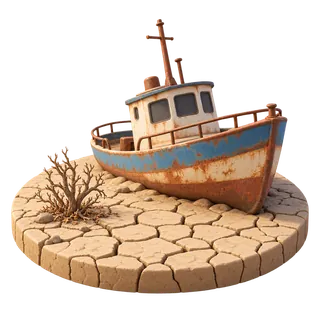
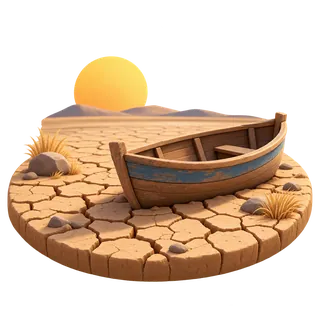
- In Moynaq you can see old fishing boats lying on dry sand.


Atrof-muhit so‘zlari to‘liq ro‘yxati ekologiya so‘zlari inglizcha sahifasida, daryo, ko‘l va cho‘l nomlari esa tabiat so‘zlari sahifasida.
O‘zbek o‘quvchilari ko‘p qiladigan xatolar
| Xato | To‘g‘ri | Izoh |
|---|---|---|
| Whale is the biggest fish. | The whale is the biggest animal. | Kit baliq emas; eng katta baliq — whale shark. |
| I caught three fishes. | I caught three fish. | Oddiy nutqda ko‘plik o‘zgarmaydi. |
| I love seafoods. | I love seafood. | Sanalmaydi. |
| Last summer I saw the see. | Last summer I saw the sea. | See — ko‘rmoq, sea — dengiz; talaffuzi bir xil /siː/, imlosi har xil. |
| Delfin | dolphin | Imloda ph, talaffuzda /f/. |
| Kit | whale | Ruscha кит inglizchada ishlamaydi; kit inglizcha “to‘plam” degani. |
Mashq
A. Tarjima qiling.
- 1. sakkizoyoq
- 2. laqqa baliq
- 3. meduza
- 4. qisqichbaqa
- 5. itbaliq
B. Bo‘sh joyni to‘ldiring: fish, seafood, school, mammals, salmon.
- 6. Whales and dolphins are ______, not fish.
- 7. We saw a ______ of small fish near the boat.
- 8. She’s allergic to ______, so she never eats prawns.
- 9. ______ is pronounced without an “l”.
- 10. How many ______ did you catch? — Five.
C. Matn bo‘yicha savollarga javob bering (yuqoridagi uchta savol).
Javoblar
1 — octopus; 2 — catfish; 3 — jellyfish; 4 — crab; 5 — tadpole; 6 — mammals; 7 — school; 8 — seafood; 9 — Salmon; 10 — fish. C: 1) Cartilage. 2) Plankton. 3) People are more dangerous to sharks.
Hayvonlar haqida IELTS’da so‘ralsa, bu so‘zlarni IELTS Speaking Part 1: Animals javoblarida ishlating. Quruqlikdagi hayvonlar uchun yovvoyi hayvonlar inglizcha sahifasi bor.
BandMate bilan mashq
BandMate ilovasida Bandi bilan dengiz, sayohat yoki Orol haqida suhbat qiling: Have you ever seen the sea? What sea animal would you like to see in real life? Akula matnidan uchta faktni o‘z so‘zingiz bilan aytib bering. Ovozli javobingizda whale, salmon yoki crab talaffuzi noaniq chiqsa, ilova izoh beradi va qayta aytishni taklif qiladi.
BandMate’ni Google’da afzal manba qiling