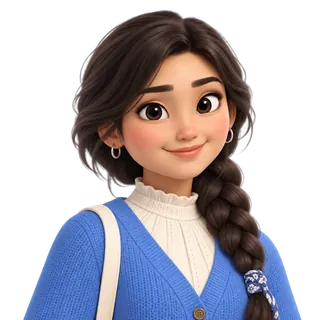
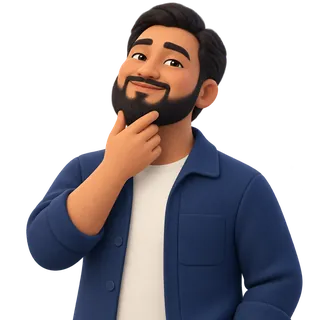
Yuz ingliz tilida face. Uning asosiy qismlari: forehead (peshona), eyebrow (qosh), eyelash (kiprik), eye (ko‘z), nose (burun), cheek (yonoq), lips (lablar), chin (iyak), jaw (jag‘). Birovning yuzini tasvirlaganda ikki qolip ishlaydi: She has (got) dark eyes yoki Her eyes are dark. Diqqat: qora ko‘z dark eyes deyiladi; black eyes — urilib ko‘karib ketgan ko‘z.
Hozir oynaga qarab bir gap ayting: I have dark brown eyes, thick eyebrows and a small scar on my chin. O‘zingizga mosini tanlang.
Yuzning yuqori qismi
| № | Inglizcha | Talaffuz | O‘zbekcha | Misol |
|---|---|---|---|---|
| 1 | forehead | /ˈfɒrɪd/ yoki /ˈfɔːhed/ | peshona | He has a high forehead. |
| 2 | temple | /ˈtempl/ | chakka | Her hair is grey at the temples. |
| 3 | eyebrow | /ˈaɪbraʊ/ | qosh | She raised her eyebrows in surprise. |
| 4 | eyelash | /ˈaɪlæʃ/ | kiprik | The baby has very long eyelashes. |
| 5 | eyelid | /ˈaɪlɪd/ | qovoq | My eyelid keeps twitching. |
| 6 | eye | /aɪ/ | ko‘z | He has kind eyes. |
| 7 | fringe (UK), bangs (US) | /frɪndʒ/ | peshonaga tushirilgan soch | I’m growing out my fringe. |
Eye bilan boshlanadigan so‘zlarning barchasi “ay” deb o‘qiladi: eyebrow — “aybrau”, eyelash — “aylesh”. Eyebrow ichidagi brow “brau”, “brou” emas.
Burun, yonoq va quloq
| № | Inglizcha | Talaffuz | O‘zbekcha | Misol |
|---|---|---|---|---|
| 8 | nose | /nəʊz/ | burun | He has a straight nose. |
| 9 | nostril | /ˈnɒstrəl/ | burun teshigi | Breathe in through your nostrils. |
| 10 | cheek | /tʃiːk/ | yonoq, lunj | The child has rosy cheeks. |
| 11 | cheekbones | /ˈtʃiːkbəʊnz/ | yonoq suyaklari | She has high cheekbones. |
| 12 | ear | /ɪə/ | quloq | His ears turn red when he’s nervous. |
| 13 | earlobe | /ˈɪələʊb/ | quloq solinchagi | She has two piercings in each earlobe. |
Og‘iz va iyak
| № | Inglizcha | Talaffuz | O‘zbekcha | Misol |
|---|---|---|---|---|
| 14 | mouth | /maʊθ/ | og‘iz | She has a wide mouth and a big smile. |
| 15 | lip, lips | /lɪp/ | lab | My lips are dry in winter. |
| 16 | teeth | /tiːθ/ | tishlar | He has perfect white teeth. |
| 17 | gums | /ɡʌmz/ | milk | My gums bleed when I brush my teeth. |
| 18 | tongue | /tʌŋ/ | til | Don’t stick your tongue out! |
| 19 | chin | /tʃɪn/ | iyak | He has a small scar on his chin. |
| 20 | jaw | /dʒɔː/ | jag‘ | He has a strong jaw. |
Mouth va teeth oxiridagi th /θ/: til uchi tishlar orasida, “s” yoki “t” emas. Tongue — “tang”, oxiridagi -ue o‘qilmaydi.
Soqol-mo‘ylov va yuzdagi belgilar
| № | Inglizcha | O‘zbekcha | Misol |
|---|---|---|---|
| 21 | moustache (UK), mustache (US) | mo‘ylov | My grandad has a grey moustache. |
| 22 | beard | soqol | He grew a beard last winter. |
| 23 | stubble | endi o‘sib chiqqan qisqa soqol | He hasn’t shaved; he has stubble. |
| 24 | sideburns | chakka soqol | Sideburns were fashionable in the seventies. |
| 25 | freckles | sepkil | She gets more freckles in summer. |
| 26 | mole | xol | He has a mole above his lip. |
| 27 | dimples | kulgich (yonoqdagi chuqurcha) | She has dimples when she smiles. |
| 28 | wrinkles | ajin | My grandma has laughter lines and wrinkles. |
| 29 | scar | chandiq | He got that scar when he fell off his bike. |
| 30 | spots (UK), pimples | husnbuzar | Teenagers often worry about spots. |
Moustache urg‘usi Britaniyada ikkinchi bo‘g‘inda: /məˈstɑːʃ/ — “mestaash”.
Yuzni tasvirlash: sifatlar
| Nima | Sifatlar | Namuna gap |
|---|---|---|
| face (yuz shakli) | round, oval, square, long, heart-shaped | She has a round face. |
| eyes | big, small, almond-shaped; dark brown, hazel, green, blue | He has almond-shaped dark brown eyes. |
| eyebrows | thick, thin, arched, bushy | Her eyebrows are thin and arched. |
| nose | straight, small, big, turned-up | He has a big straight nose. |
| lips | full, thin | She has full lips. |
| skin | fair, pale, olive, dark, tanned | He has olive skin. |
| hair | straight, wavy, curly; long, shoulder-length, short; dark, fair, grey | She has long straight black hair. |
Bir nechta sifat ketma-ket kelsa, tartib odatda o‘lcham → shakl → rang: long straight black hair, big round dark eyes.
O‘zbekcha go‘zallik tasvirlarini so‘zma-so‘z o‘girmang, ma’nosini bering:
- “bodomday ko‘zlar” — almond-shaped eyes
- “qoshi qalamday” — thin, perfectly shaped eyebrows
- “yonoqlari qip-qizil” — rosy cheeks
- “oppoq yuzli” — fair-skinned (white face ingliz tilida kasallikni yoki qo‘rquvni eslatadi)
Bo‘y, gavda va kiyimni ham qo‘shib to‘liq portret tuzmoqchi bo‘lsangiz, tashqi ko‘rinishni tasvirlash sahifasiga o‘ting.
Mimika: yuz bilan qilinadigan harakatlar
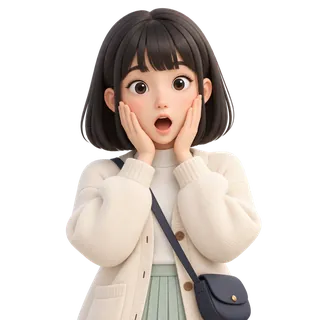
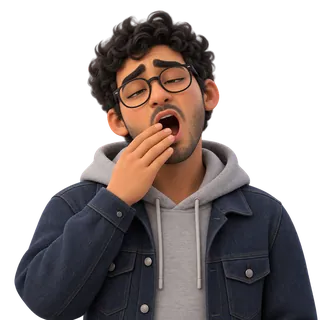
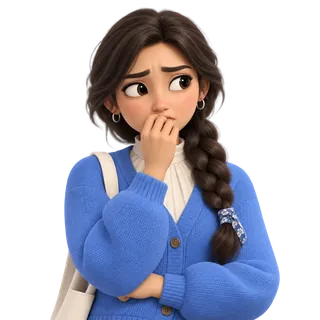
| Inglizcha | O‘zbekcha | Misol |
|---|---|---|
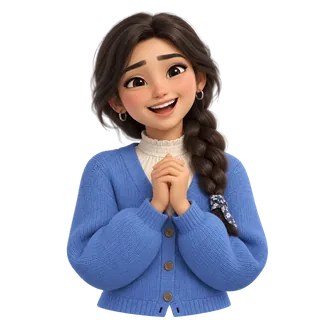
| smile | jilmaymoq | Smile for the camera! |
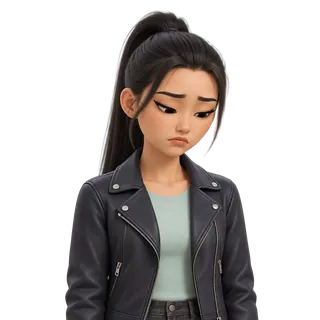
| frown | qovoq solmoq, qosh chimirmoq | Why are you frowning? |
| raise your eyebrows | qoshini ko‘tarmoq (hayratda) | He raised his eyebrows when he saw the bill. |
| wink | ko‘z qismoq | She winked at me across the table. |
| blink | ko‘z pirpiratmoq | Try not to blink in the photo. |
| yawn | esnamoq | Cover your mouth when you yawn. |
| blush | qizarmoq (uyalib) | He always blushes when people praise him. |
Dialog: aeroportda kutib olish
Nigora Londonga birinchi marta kelayotgan amakivachchasini aeroportda kutib olishi kerak, lekin uni bolaligidan beri ko‘rmagan. Hamkasbi Emma yordam beryapti.
Emma: So what does your cousin look like?
Nigora: I haven’t seen him for ten years. My aunt says he’s tall and thin.
Emma: That’s half the airport. What about his face?
Nigora: He has short dark hair, thick eyebrows and a small beard. And he wears glasses.
Emma: Anything special? A scar, freckles?
Nigora: Oh yes, he has a mole on his left cheek, just like my grandad.
Emma: Is that him? The man with the stubble and the blue backpack?
Nigora: No, his nose is too big. My cousin has a small straight nose… Wait, he’s waving. That’s him!
Izoh: What does he look like? — tashqi ko‘rinish haqida savol. What is he like? — xarakter haqida. O‘zbekcha “qanaqa odam?” ikkalasini ham anglatadi, inglizchada farqlang.
Ko‘p uchraydigan xatolar
| Xato | To‘g‘ri | Izoh |
|---|---|---|
| She has black eyes. | She has dark eyes. | Black eyes — musht tekkan ko‘z. |
| He has short hairs. | He has short hair. | Boshdagi soch sanalmaydi. |
| She has blue eye. | She has blue eyes. | Ikkala ko‘z — ko‘plik. |
| How does he look like? | What does he look like? | How va like birga kelmaydi. |
| Her face is white. | She has fair skin. | White/pale face — rangi oqargan. |
Has yoki has got — ikkalasi ham to‘g‘ri, farqi have got va has got sahifasida tushuntirilgan.
Mashq
A. Inglizcha ayting.
- 1. qosh
- 2. kiprik
- 3. iyak
- 4. xol
- 5. sepkil
- 6. peshona
B. Xatoni tuzating.
- 7. My sister has long black hairs.
- 8. How does your brother look like?
- 9. He has black eyes and a thin nose. (Gap qora ko‘zli odam haqida)
C. Tarjima qiling.
- 10. Uning (qizning) yonoqlarida kulgichlari bor.
- 11. Bobomning oq mo‘ylovi bor.
- 12. Uyalganida u qizarib ketadi.
Javoblar
1 — eyebrow; 2 — eyelash; 3 — chin; 4 — mole; 5 — freckles; 6 — forehead; 7 — My sister has long black hair; 8 — What does your brother look like?; 9 — He has dark eyes and a thin nose; 10 — She has dimples (in her cheeks); 11 — My grandad has a white (grey) moustache; 12 — She (He) blushes when she (he) is embarrassed.
Yuz tanadagi a’zolarning faqat bir qismi. Yelka, tirsak, tizza va ichki a’zolar tana a’zolari inglizcha sahifasida. Soch turmagi, fringe va trim kabi so‘zlar kerak bo‘lsa, sartaroshxonada inglizcha sahifasiga o‘ting.
BandMate bilan mashq
BandMate ilovasida Bandi sizdan oila a’zosi yoki do‘stingizni tasvirlashni so‘rashi mumkin: What does your best friend look like? Javobingizda eyebrows, moustache, freckles kabi so‘zlarni ishlating; ilova talaffuz bo‘yicha izoh beradi. Oynaga qarab o‘z yuzingizni besh gapda tasvirlab, ovozingizni yozib oling va eshitib ko‘ring.
BandMate’ni Google’da afzal manba qiling