
Rahbar kartasida lavozim emas, xatti-harakat tasvirlanadi. Kuchli javob bitta aniq vaziyatni aytadi: rahbar qiyin paytda nima qildi va bu uning qanday odam ekanini qanday ko‘rsatdi. “She was kind, smart and responsible” degan sifatlar ro‘yxati ikki daqiqani to‘ldirmaydi va hech narsani isbotlamaydi.
Eng qulay tanlov — siz yaqindan ko‘rgan odam: jamoa rahbari, murabbiy, sinf rahbari, ko‘ngillilar guruhi sardori. Hozirgi siyosatchilarni tanlash shart emas: ular haqida sizda shaxsiy voqea yo‘q va gap tezda fikr-munozaraga o‘tib ketadi. Tarixiy shaxsni tanlasangiz, quyidagi Ulug‘bek bo‘limiga qarang.
Mashq kartasi: yaxshi rahbar
Karta mashq uchun yozilgan; haqiqiy imtihonda so‘zlar farq qilishi mumkin.
Describe a person you know who is a good leader.
You should say:
- who this person is
- how you know them
- what they have done as a leader
- and explain why you think they are a good leader.
IELTS.org ma’lumotiga ko‘ra, Part 2 ning o‘zi tayyorgarlik bilan 3–4 daqiqa oladi: bir daqiqa qayd yozasiz, keyin ikki daqiqaga yaqin gapirasiz. Undan keyingi Part 3 muhokamasi 4–5 daqiqa davom etadi.
Qaydlar: uslub, bitta lahza, saboq
- Who: Nigora, team lead, summer internship, small software company, Tashkent; 6 people, pharmacy delivery app
- Style: not bossy; juniors speak first (“otherwise they just agree”)
- Moment: client demo; app crashed 10 min before; my bug; she: “my team, my responsibility”, asked for 2 days, no names
- After: “walk me through it”, no shouting; 2 late evenings, plov for all; 2nd demo fine
- Why good: leads by example; credit → team, blame → herself
- Lesson: “tell me about mistakes early”
Namuna javob: namoyishdan 10 daqiqa oldin
Mashq uchun yozilgan namuna, gapirilganda taxminan ikki daqiqa. Band 7 atrofidagi uslubga misol; rasmiy baholangan javob emas.
The leader I’d like to talk about is Nigora, who was my team lead during a summer internship at a small software company in Tashkent last year. There were only six of us on her team, and we were building a delivery app for a chain of pharmacies.
The first thing I noticed about her was that she never acted like a boss. In meetings she always asked the youngest people, usually me and another intern, for our opinion first, before the senior developers spoke. At first I thought it was just politeness, but later she explained that if juniors hear the experts first, they simply agree and keep their own ideas to themselves.
The moment that really showed me what kind of leader she was came about a month in. We had a demo for the client, and ten minutes before it started, the app crashed because of a bug in a part I had written. I was sure I’d be in serious trouble. Instead, Nigora walked into the meeting, calmly told the client that her team had found a problem, said she took responsibility for it, and asked for two more days. She didn’t mention my name once.
Afterwards she sat down with me, and rather than shouting, she asked me to walk her through what had happened. Then she stayed late with the whole team for two evenings, ordering plov for everyone, until it was fixed. The second demo went perfectly.
What made her a good leader, I think, is that she led by example. She never asked us to do anything she wouldn’t do herself, and she gave the team credit when things went well but took the blame herself when they didn’t.
I still use one piece of advice she gave me: “Your job isn’t to never make mistakes; it’s to tell me about them early.” I think about that whenever I work in a group now.
Band 6 → band 7: beshta gap
| Band 6 atrofida | Band 7 uslubida | Nima o‘zgardi |
|---|---|---|
| She was good leader because she helped everybody. | What made her a good leader is that she led by example. | Artikl, what made… is that, ibora |
| In meetings she asked opinion of young people. | In meetings she always asked the youngest people for their opinion first. | Ask someone for, aniqlik |
| The app was broken and I was very afraid. | Ten minutes before the demo, the app crashed because of a bug I’d written, and I was sure I’d be in serious trouble. | Vaqt, sabab, Past Perfect |
| She didn’t say it was my mistake. | She told the client she took responsibility for it and didn’t mention my name once. | Harakat orqali xarakter |
| She gave me good advices. | I still use one piece of advice she gave me. | Advice sanalmaydi |
Rahbar haqida gapirganda: control, responsibility va “advices”
- “She controlled our work.” Rus tilidagi “контролировать” odatda “tekshirmoq” ma’nosida. Inglizcha control esa kuchli hokimiyatni bildiradi. Aytmoqchi bo‘lganingiz: she checked / supervised our work.
- Responsible for yoki take responsibility? She was responsible for the project — loyiha uning zimmasida edi. She took responsibility for the mistake — xatoni bo‘yniga oldi. Ikkinchisi rahbar haqidagi hikoyada kuchliroq.
- “Our boss” yoki “team leader”? Boss so‘zlashuvda normal, lekin ba’zan salbiy ohang beradi. Aniqroq: team lead, manager, coach, head teacher.
- “She gave us advices.” Advice sanalmaydi: some advice, a piece of advice, great advice.
- He/she. O‘zbekcha “u” ikkala jinsga ham tegishli, shuning uchun nomzodlar ba’zan ayol rahbar haqida he deb yuboradi. Qaydning tepasiga katta harf bilan SHE yoki HE deb yozib qo‘ying.
Shu uslubdagi yana bir karta: describe a teacher. Umuman hurmat qilinadigan odam haqida esa describe a person you admire sahifasi bor.
Tarixiy rahbarni tanlasangiz: Ulug‘bek misoli
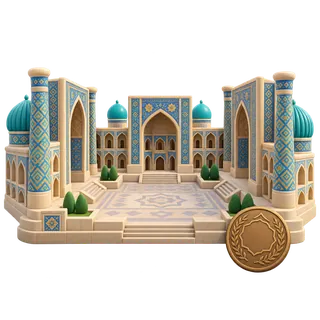
Tarixiy shaxs haqida gapirish mumkin, lekin ikkita shart bor: faqat ishonchli faktlarni ayting va ularni ehtiyotkor iboralar bilan yumshating. Ulug‘bek haqida keng tan olingan faktlar: u Amir Temurning nabirasi bo‘lgan, XV asrda Samarqandni boshqargan, Samarqandda rasadxona qurdirgan va Registondagi madrasalardan biri uning nomi bilan ataladi. Bu faktlar ham ikki daqiqaga yetmaydi, shuning uchun o‘zingizning munosabatingizni qo‘shing: rasadxonani ko‘rganingiz, maktabda u haqida nimani o‘qiganingiz.
Qisqa namuna (mashq uchun):
If I chose a historical leader, it would be Ulugh Beg. As far as I know, he was Amir Temur’s grandson and ruled Samarkand in the fifteenth century, but he’s remembered more as a scholar than as a ruler. He built an observatory there, and I believe his astronomers produced a catalogue of roughly a thousand stars. One of the three madrasas on the Registan is named after him. When I visited the observatory site on a school trip, what struck me was that he seems to have led through knowledge, at least that’s how he’s remembered.
Rahbarlik haqida 12 ta ibora
| Inglizcha | O‘zbekcha | Misol |
|---|---|---|
| lead by example | o‘rnak ko‘rsatib boshqarmoq | She led by example. |
| take responsibility for | javobgarlikni zimmasiga olmoq | She took responsibility for the mistake. |
| take the blame | aybni bo‘yniga olmoq | She took the blame in front of the client. |
| give someone credit | xizmatini e’tirof etmoq | She always gave the team credit. |
| delegate | vazifalarni taqsimlamoq | She knew how to delegate. |
| micromanage | har bir mayda ishga aralashmoq | She never micromanaged us. |
| boost morale | jamoa ruhini ko‘tarmoq | Ordering plov really boosted our morale. |
| stay calm under pressure | bosim ostida xotirjam qolmoq | She stayed calm under pressure. |
| approachable | gaplashish oson, ochiq | She was very approachable. |
| a team player | jamoada ishlay oladigan odam | She was a team player, not just a boss. |
| walk someone through | bosqichma-bosqich tushuntirib bermoq | She asked me to walk her through it. |
| set clear goals | aniq maqsad qo‘ymoq | Every Monday she set clear goals for the week. |









Pronunciation ustunini tekshirish: telefon diktovkasi bilan
Rasmiy Speaking band descriptors ning Pronunciation ustunida band 6 nomzodi odatda katta kuchsiz tushuniladi, ammo ayrim so‘z yoki tovushlar noto‘g‘ri aytilib, ba’zan aniqlik yo‘qoladi. Band 8 da nomzod butun nutq davomida oson tushuniladi va aksent tushunarlilikka juda kam ta’sir qiladi. Demak, asosiy savol: begona tinglovchi har bir so‘zingizni birinchi urinishda tushunadimi?
Uyda buni taxminan tekshirishning oddiy usuli — telefon klaviaturasidagi ovozli yozish (diktovka) funksiyasi. U imtihonchi emas va o‘zi ham xato qiladi, lekin bir xil so‘zni qayta-qayta noto‘g‘ri yozsa, bu signal.
- 1 daqiqa. Qayd yozing. Telefonda tilni English ga o‘rnating va eslatmalar ilovasini oching.
- 2 daqiqa. Namunadagi kabi javobingizni diktovka qiling, odatdagi tezlikda, to‘xtamasdan.
- 4 daqiqa. Matnni o‘qib, noto‘g‘ri yozilgan so‘zlarning tagiga chizing. Ularni guruhlang: W/V (work → vork, vision → wision), TH (think → sink, three → tree), oxirgi undosh (team lead → team lee), urg‘u (deVELoper o‘rniga DEVeloper).
- 3 daqiqa. Eng ko‘p takrorlangan guruh uchun 5 ta so‘zni sekin, keyin odatdagi tezlikda ayting. W/V uchun w va v talaffuzi, TH uchun th tovushi sahifasidagi mashqlardan foydalaning.
- 2 daqiqa. Xuddi shu javobni qayta diktovka qiling va tagiga chizilgan so‘zlar sonini solishtiring.
Part 3: rahbarlik haqida 4 savol
Mashq savollari; javob g‘oyalari qisqa.
- What qualities does a good leader need? Listening, I think, more than charisma. A leader who listens hears about problems early, while they’re still small.
- Are leaders born or made? Mostly made. Some people are naturally confident, but calm decision-making usually comes from experience and mistakes.
- Is it better to have a young leader or an older one? It depends on the situation. Older leaders bring experience, younger ones adapt faster, so mixed teams often work best.
- Has the way people lead changed in your country? In my experience, yes, especially in IT companies, which are less formal. But respect for older colleagues still shapes how meetings go.
Bu mavzudagi chuqurroq savollar Part 3: leadership sahifasida bo‘ladi.
Mashq: rahbarlik iboralarini to‘ldiring
So‘zlar: example, responsibility, blame, credit, micromanage, morale, calm, through
- A good manager leads by ___.
- She took full ___ for the team’s mistake.
- He never tried to shift the ___ onto other people.
- Our coach always gave the players ___, not himself.
- Nobody likes a boss who tries to ___ every little task.
- The free lunch really boosted our ___.
- Even when the app crashed, she stayed ___.
- Can you walk me ___ what happened step by step?
Javoblar
- 1. example (lead by example)
- 2. responsibility (take responsibility for)
- 3. blame (shift the blame onto)
- 4. credit (give someone credit)
- 5. micromanage (har mayda ishga aralashmoq)
- 6. morale (boost morale)
- 7. calm (stay calm)
- 8. through (walk someone through)
Rahbaringiz haqidagi hikoyani Bandi bilan sinang
BandMate da Bandi bilan ovozli suhbatda rahbaringiz haqida gapirib, talaffuz bo‘yicha izoh olishingiz va noaniq chiqqan so‘zlarni qayta mashq qilishingiz mumkin. IELTS Speaking mock testi esa kartani taymer bilan berib, Part 3 savollarigacha olib boradi. Ilova izohi mashq uchun, rasmiy IELTS bandi emas.