
Bu darsda o‘zingizni qanday his qilayotganingizni aytish va maslahat berishni o‘rganasiz: I don’t feel well. I have a headache and a sore throat. — You should drink hot tea and you shouldn’t go to school today. Kasallik have bilan aytiladi (I have a cold), og‘riyotgan a’zo hurts bilan (My back hurts), maslahat esa should + fe’l bilan beriladi.
9-darsda joylarni solishtirdingiz. Bugungi mavzu hayotda tez-tez kerak bo‘ladi: dars qoldirish uchun o‘qituvchiga yozish, chet elda dorixonada tushuntirish yoki shunchaki do‘stingizga "tuzalib keting" deyish.
Bu darsda nimani o‘rganasiz
- tana a’zolari, og‘riq va kasallik bo‘yicha 20 ta so‘z;
- I have a headache, My tooth hurts, I feel sick kabi tuzilmalar;
- What’s the matter? va How are you feeling? savollari;
- should va shouldn’t bilan maslahat berish va so‘rash;
- shifokor qabulida qisqa suhbat.
Taxminiy vaqt: 45 daqiqa. Eslatma: bu dars til o‘rganish uchun. Haqiqiy kasallikda maslahatni internetdan emas, shifokordan oling.
Yangi so‘zlar
Og‘riq nomlarining ko‘pi ikki bo‘lakdan yasaladi: a’zo + ache. Head + ache = headache, stomach + ache = stomach ache. Ache so‘zi [eɪk] deb o‘qiladi, "ache" yoki "ashe" emas.
| So‘z yoki ibora | Tarjima | Misol |
|---|---|---|
| head | bosh | My head is hot. |
| throat | tomoq | My throat is dry. |
| stomach | oshqozon, qorin | My stomach feels strange. |
| back | bel, orqa | My back hurts after football. |
| tooth (teeth) | tish (tishlar) | This tooth hurts. |
| a headache | bosh og‘rig‘i | I have a terrible headache. |
| a sore throat | tomoq og‘rig‘i | She has a sore throat. |
| a stomach ache | qorin og‘rig‘i | He has a stomach ache after the party. |
| a toothache | tish og‘rig‘i | I have a toothache, I can’t eat. |
| backache | bel og‘rig‘i | My father often has backache. |
| a cold | shamollash | I have a cold, so I’m staying at home. |
| a fever / a temperature | isitma | My little brother has a temperature. |
| a cough | yo‘tal | I have a bad cough at night. |
| dizzy | boshi aylanayotgan | I feel dizzy when I stand up. |
| tired | charchagan | You look tired today. |
| hurt | og‘rimoq | Where does it hurt? |
| medicine | dori | Take this medicine after meals. |
| rest | dam olmoq | You should rest for a few days. |
| a pharmacy | dorixona | Is there a pharmacy near here? |
| get better | tuzalmoq | Get better soon! |









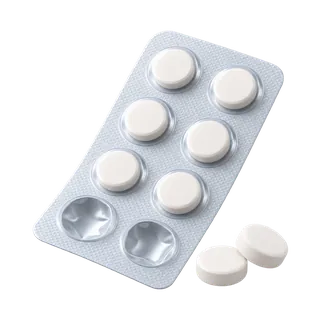


Yana 40 ta alomat va kasallik nomi kasalliklar nomi inglizcha sahifasida.
Grammatika
O‘zingizni qanday his qilasiz: have, hurt, feel
| Nima demoqchisiz | Tuzilma | Misol |
|---|---|---|
| kasallik yoki og‘riq bor | I have (got) + a/an + kasallik | I have a cold. I’ve got a headache. |
| a’zo og‘riyapti | My + a’zo + hurts | My back hurts. My eyes hurt. |
| umumiy holat | I feel + sifat | I feel sick. I feel dizzy. I don’t feel well. |
| boshqa odam haqida | He/She has + kasallik | She has a temperature. |
O‘zbekchada "Boshim og‘riyapti" deymiz, shuning uchun o‘quvchilar ko‘pincha My head is aching yoki I am headache deydi. Birinchisi grammatik jihatdan mumkin, lekin kundalik nutqda ko‘proq I have a headache yoki My head hurts ishlatiladi. Ikkinchisi xato: siz bosh og‘rig‘ining o‘zi emassiz.
Qanday so‘raladi: What’s the matter? / What’s wrong? — Nima bo‘ldi? How are you feeling today? — Bugun o‘zingizni qanday his qilyapsiz? Where does it hurt? — Qayeringiz og‘riyapti?
Should va shouldn’t: maslahat
| Gap turi | Formula | Misol |
|---|---|---|
| Darak | ega + should + V1 | You should drink more water. |
| Inkor | ega + shouldn’t + V1 | You shouldn’t eat fast food this week. |
| So‘roq | Should + ega + V1? | Should I see a doctor? |
| Javob | Yes, you should. / No, you shouldn’t. | Yes, you should. |
Should modal fe’l, shuning uchun uchta qoida bor: undan keyin to qo‘yilmaydi, he/she bilan -s olmaydi va so‘roq dosiz tuziladi. He should rest (He shoulds rest emas). Should bilan must va have to farqi modal fe’llar jadvali sahifasida.
Should yumshoq maslahat: "yaxshi bo‘lardi". Shifokor qat’iy talab qo‘yganda You must… deyishi mumkin, lekin do‘stingizga maslahat berganda doim should tabiiyroq.
Odatiy xatolar
| Xato | To‘g‘ri |
|---|---|
| I am headache. | I have a headache. |
| I have temperature. | I have a temperature. |
| You should to go to bed. | You should go to bed. |
| She shoulds see a doctor. | She should see a doctor. |
| Do I should take this medicine? | Should I take this medicine? |
| My stomach is hurt. | My stomach hurts. |
| I am ill since Monday. | I have been ill since Monday. |
Oxirgi gapdagi have been 8-darsdagi Present Perfect: holat o‘tmishda boshlanib, hali davom etyapti.
Dialog
Jasur ertalab o‘zini yomon his qildi va tuman poliklinikasiga bordi. Shifokor uni qabul qilmoqda.
Doctor: Good morning. Please sit down. What’s the matter?
Jasur: Good morning. I don’t feel well. I have a sore throat and a bad cough.
Doctor: I see. When did it start?
Jasur: Two days ago. Yesterday I also had a headache.
Doctor: Do you have a temperature?
Jasur: Yes, a little. It was thirty-seven point eight last night.
Doctor: Let me look at your throat. Say "aaah"… Yes, it’s red. It looks like a cold.
Jasur: Should I stay at home?
Doctor: Yes, you should. You should rest for two or three days and drink a lot of warm water and tea.
Jasur: Can I go to the gym?
Doctor: No, you shouldn’t do sport this week. And you shouldn’t drink cold drinks.
Jasur: OK. Do I need any medicine?
Doctor: Here is a prescription. Take one tablet three times a day after meals. If you don’t feel better in three days, come back.
Jasur: Thank you, doctor.
Doctor: You’re welcome. Get better soon!
Harorat inglizchada nuqta bilan o‘qiladi: thirty-seven point eight (37,8). Retsept — a prescription, uni dorixonada ko‘rsatasiz. Shifokor qabulidagi yana ikki vaziyat (tish shifokori va dorixona) shifokor qabulida inglizcha dialog sahifasida.
Gapirish vazifasi
1-qadam: kartochkalar (3 daqiqa). Qog‘ozga beshta muammo yozing: a headache, a cold, backache, a toothache, I feel tired. Har biriga ikkita maslahat tayyorlang: bittasi should, bittasi shouldn’t bilan.
2-qadam: rol o‘ynash (4 daqiqa). Oila a’zoingiz yoki do‘stingiz kartochkani tanlab, I have a toothache deydi. Siz What’s the matter? When did it start? deb so‘rab, keyin maslahat berasiz: You should see a dentist. You shouldn’t eat sweets. Keyin rollarni almashtiring.
3-qadam: o‘qituvchiga xabar (3 daqiqa). Darsga kela olmasligingiz haqida uch gaplik xabar yozing va ovoz chiqarib o‘qing:
Dear Ms Karimova,
I’m sorry, I can’t come to the lesson today. I have a cold and a temperature.
I’m going to do the homework at home.Kind regards,
Nodir
Mashq
A. Have, hurt yoki feel?
1. I ___ a terrible headache.
2. My back ___ after the long bus trip.
3. She doesn’t ___ well today.
4. He ___ a cough and a sore throat.
B. Should yoki shouldn’t?
5. You have a toothache. You ___ see a dentist.
6. You have a cold. You ___ go swimming.
7. I feel very tired. I ___ go to bed early.
8. Your brother has a stomach ache. He ___ eat spicy food.
C. Xatoni to‘g‘rilang.
9. You should to drink more water.
10. Do I should stay at home?
Javoblar
1. have 2. hurts 3. feel 4. has
5. should 6. shouldn’t 7. should 8. shouldn’t
9. You should drink more water. (to kerak emas) 10. Should I stay at home? (do kerak emas)
A qismida hurt va haveni aralashtirgan bo‘lsangiz, qoidani eslang: kasallik nomi have bilan, a’zo nomi hurts bilan.
Keyingi qadam
Bugun bitta haqiqiy vaziyatda inglizcha o‘ylab ko‘ring: charchaganingizda ichingizda I feel tired. I should go to bed early deng. Qisqa, lekin har kuni takrorlangan gap tez yodda qoladi.
BandMate ilovasida Bandi bilan "shifokor qabulida" suhbatini o‘ynashingiz mumkin: siz bemor bo‘lasiz, u alomatlaringizni so‘raydi va should bilan maslahat beradi. Keyin rollarni almashtirib, o‘zingiz maslahat berishni mashq qilasiz. Ilova talaffuz va grammatika bo‘yicha izoh beradi; tibbiy maslahat bermaydi.
Oldingi dars: 9-dars — taqqoslash. Keyingi dars: 11-dars — ish va kasb, unda kasblar va What do you do? kabi savollarni o‘rganasiz.
BandMate’ni Google’da afzal manba qiling