Bu sahifada oltita qisqa, original inglizcha matn bor: ikkitasi A1, ikkitasi A2, ikkitasi B1 darajasida. Har bir matndan keyin 5–6 so‘zlik lug‘at va 4–5 ta tushunish savoli, sahifa oxirida esa izohli javoblar. Darajangizga mos matndan boshlang: agar matndagi so‘zlarning taxminan har o‘ninchisi notanish bo‘lsa, bu siz uchun to‘g‘ri daraja.
Matnlar Toshkent va O‘zbekistondagi oddiy hayot haqida: nonushta, metro, bozor, uy e’loni, kasb almashtirish va mahalla hashari. Shuning uchun notanish madaniyatni emas, faqat tilni tushunishga kuch sarflaysiz.
Har bir matnni qanday o‘qish kerak
| Qadam | Nima qilasiz | Vaqt |
|---|---|---|
| 1 | Sarlavha va savollarni o‘qing, matn nima haqida ekanini taxmin qiling | 1 daqiqa |
| 2 | Matnni lug‘atsiz bir marta o‘qing, notanish so‘zda to‘xtamang | 2–3 daqiqa |
| 3 | Savollarga javob yozing | 3 daqiqa |
| 4 | Lug‘atni ko‘ring, matnni yana bir marta o‘qing, javoblarni tekshiring | 3 daqiqa |
| 5 | Matnni ovoz chiqarib o‘qing | 2 daqiqa |
Har bir so‘zni tarjima qilib o‘qish tushunishni sekinlashtiradi: gapning oxiriga yetganda boshini unutib qo‘yasiz. Avval umumiy ma’noni oling, so‘zlarni keyin. 5-qadam haqida batafsil ovoz chiqarib o‘qish usuli sahifasida.


1-matn (A1): Malika’s Morning
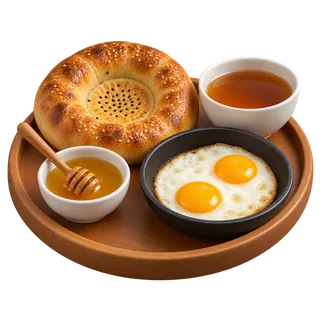
Malika is fourteen. She lives with her family in a flat in Chilonzor. She gets up at half past six every day. For breakfast she has bread, eggs and green tea. Her grandmother makes the tea. At quarter past seven Malika walks to school with her friend Nodira. School starts at eight. Malika likes English and maths, but she doesn’t like PE. After school she helps her little brother with his homework.
Lug‘at: gets up — o‘rnidan turadi; half past six — olti yarim; quarter past seven — yettidan o‘n besh daqiqa o‘tganda; PE — jismoniy tarbiya darsi; homework — uy vazifasi.
1. How old is Malika?
2. Who makes the tea?
3. What time does school start?
4. True or false: Malika likes PE.
2-matn (A1): A Message from Sardor
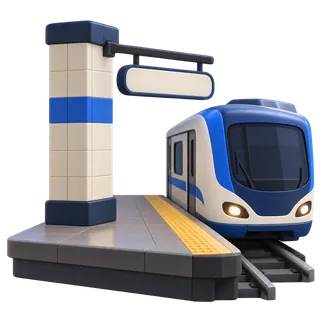
Hi Jamshid! I’m at the metro station now, but my train is late. I think I’ll be ten minutes late. Please don’t wait outside, it’s cold. Go into the café and order two teas. I’ll pay! I’m wearing a green jacket and a black hat, so you can find me easily. See you soon! Sardor
Lug‘at: late — kechikkan; wait — kutmoq; outside — tashqarida; order — buyurtma bermoq; pay — to‘lamoq.
5. Where is Sardor now?
6. Why will he be late?
7. What should Jamshid do?
8. True or false: Sardor is wearing a black jacket.
3-matn (A2): Saturday at the Bazaar
Every Saturday Otabek’s father goes to the bazaar, and last week Otabek went with him for the first time. They left home at seven because the best fruit sells out early. First they bought potatoes, carrots and onions for plov. The carrot seller was an old man with a loud voice, and he gave Otabek a free apple. Then they looked for grapes. The first seller’s price was too high, so Otabek’s father smiled, talked about the weather and asked for a better price. In the end they paid a little less and everyone was happy. On the way home Otabek said, “Next week I want to do the bargaining!”
Lug‘at: sell out — tugab qolmoq; loud — baland (ovoz); free — tekin; price — narx; in the end — oxir-oqibat; bargaining — savdolashish.
9. Why did they leave home at seven?
10. What did they buy for plov?
11. What did the carrot seller give Otabek?
12. How did the father get a better price?
13. What does Otabek want to do next week?
4-matn (A2): Notice for Residents
NOTICE — Building 14. Dear residents, the water will be turned off on Thursday from 10:00 to 16:00 because workers are repairing the pipes in the basement. Please keep some water in bottles for cooking and washing. The lift will work as usual. If you have any questions, call the building manager, Mr Karimov, after 18:00. Thank you for your patience.
Lug‘at: resident — yashovchi, aholi; turn off — o‘chirmoq; repair — ta’mirlamoq; basement — yerto‘la; lift — lift; patience — sabr.
14. What will happen on Thursday?
15. For how many hours will there be no water?
16. Why?
17. True or false: the lift will not work on Thursday.
18. When can residents call Mr Karimov?
5-matn (B1): Learning to Code at Thirty
When Dilshod turned thirty, he was working as a taxi driver and felt that his life had stopped moving. One evening a passenger, a young programmer, told him about free online courses. Dilshod was doubtful: he had never been good at maths, and his English was basic. Still, he decided to try.
For the first three months he studied every night after work, usually from ten until midnight. The hardest part was not the code but the English, because most instructions and error messages were in English. So he started keeping a notebook of new words, such as "loop", "variable" and "deadline". Slowly, the messages began to make sense.
A year later, Dilshod got a junior job at a small company in Tashkent. He still drives a taxi sometimes, but now he listens to podcasts about technology between passengers.
Lug‘at: turn thirty — o‘ttizga to‘lmoq; doubtful — ikkilanayotgan, ishonchi yo‘q; basic — boshlang‘ich; error message — xato haqidagi xabar; make sense — tushunarli bo‘lmoq; junior — kichik (lavozim).
19. What was Dilshod’s job when he turned thirty?
20. Who told him about the courses?
21. What was the most difficult part of studying?
22. Why did he keep a notebook?
23. Does Dilshod still work as a taxi driver? How do you know?
6-matn (B1): Hashar Day
On the first Saturday of spring, our mahalla held a hashar. In our mahalla nobody sends invitations for a hashar; the news simply travels from house to house. By eight o’clock, about forty neighbours had gathered near the mosque with shovels, brooms and young trees.
The older men decided where the trees should go, while the teenagers dug the holes. By noon a huge pot of plov was cooking in the courtyard of the oldest resident, Karim aka. I was given what I thought was the easiest job: painting the benches. Two hours later, my arms hurt more than anyone’s.
What I enjoyed most was not the work itself. It was listening to neighbours I had seen for years but never really talked to. When we sat down to eat, I realised that I knew their faces but not their stories.
Lug‘at: hold — o‘tkazmoq; gather — yig‘ilmoq; shovel — belkurak; dig (dug) — qazimoq (qazidi); bench — o‘rindiq; realise — anglab qolmoq.
24. How do people in this mahalla learn about a hashar?
25. What did the teenagers do?
26. Why is the sentence "my arms hurt more than anyone’s" funny?
27. What did the writer enjoy most?
28. Find a word in the last paragraph that means "suddenly understood".
Tushunishga xalaqit beradigan o‘qish odatlari
- So‘zma-so‘z tarjima. Sell out ni "sotib chiqmoq" deb o‘qisangiz, 3-matn ma’nosi buziladi. Iborani yaxlit o‘qing: "tugab qolmoq".
- "O‘qimoq" tuzog‘i. O‘zbekcha "o‘qiyman" ham read, ham study. Dilshod kechalari studied, ya’ni kurs o‘tdi, faqat matn read qilmadi.
- Savolni oxirigacha o‘qimaslik. 23-savol ikki qismli: yes/no va how do you know?. Ikkinchi qismsiz javob to‘liq emas.
- Faqat matndagi so‘zni qidirish. B1 savollari (26-savol) ko‘pincha xulosa talab qiladi: javob matnda to‘g‘ridan-to‘g‘ri yozilmagan.
Agar A2 matnlar oson bo‘lsa, uzunroq matnlarga o‘ting: A2–B1 darajadagi inglizcha hikoyalar va graded readers kitoblari bunga mos. O‘qish tezligini oshirish usullari reading tezligi sahifasida.
Javoblar
1-matn
1. She is fourteen. 2. Her grandmother. 3. At eight (o‘clock). 4. False: she doesn’t like PE.
2-matn
5. At the metro station. 6. Because his train is late. 7. Go into the café and order two teas. 8. False: his jacket is green, his hat is black.
3-matn
9. Because the best fruit sells out early. 10. Potatoes, carrots and onions. 11. A free apple. 12. He smiled, talked about the weather and asked for a better price. 13. He wants to do the bargaining himself.
4-matn
14. The water will be turned off. 15. Six hours (10:00 dan 16:00 gacha). 16. Because workers are repairing the pipes in the basement. 17. False: the lift will work as usual. 18. After 18:00 (kechki oltidan keyin).
5-matn
19. He was a taxi driver. 20. A passenger, a young programmer. 21. The English, not the code. 22. To learn new English words from instructions and error messages. 23. Yes, sometimes: He still drives a taxi sometimes va yo‘lovchilar orasida podkast tinglaydi.
6-matn
24. The news travels from house to house; nobody sends invitations. 25. They dug the holes for the trees. 26. Because he thought painting was the easiest job, but it made him more tired than everyone else. 27. Listening to neighbours and learning their stories. 28. realised.
Natijani hisoblang: 28 savoldan 24 va undan ko‘p to‘g‘ri bo‘lsa, B1 matnlar sizga mos; 15–23 bo‘lsa, A2 matnlarni takrorlab, keyin B1 ga qayting.
O‘qigan matnni gapirishga aylantirish
Matnni tushunish birinchi qadam, uni o‘z so‘zlaringiz bilan aytib bera olish esa ikkinchisi. Har bir matndan keyin uni 4–5 gapda qayta aytib ko‘ring: This text is about a man who…. BandMate ilovasida qayta hikoyangizni Bandiga aytasiz, u matn haqida qo‘shimcha savol beradi va nutqingizga izoh qoldiradi. Izohlar mashq uchun, rasmiy daraja emas.
BandMate’ni Google’da afzal manba qiling