Quyida to‘rtta original inglizcha hikoya bor: ikkitasi A2, ikkitasi B1 darajasida. Voqealar Toshkentda bo‘ladi: buvining birinchi smartfoni, Chorsu bozorida yo‘qolgan hamyon, metroda kechikkan ish suhbati va yangi qo‘shnining oshi. Har bir hikoyadan keyin lug‘at va 4 ta savol, sahifa oxirida esa javoblar va o‘qigandan keyingi mashqlar.
Darajani qanday tanlash kerak: A2 hikoyasini lug‘atsiz o‘qib, voqeani tushunsangiz, B1 ga o‘ting. B1 hikoyasida har qatorda ikki-uchta notanish so‘z bo‘lsa, hozircha A2 da qoling. Qisqaroq, lug‘atli kundalik matnlar kerak bo‘lsa, ingliz tilida matnlar o‘qish sahifasidan boshlang.






1-hikoya (A2): Grandma’s Voice Messages
Last month my grandmother, Oysha buvi, got her first smartphone. She is seventy-two, and at first she was a little afraid of it. “Just press this button and speak,” I told her. “When you finish, take your finger off.” She practised for ten minutes and then sent a voice message to my aunt in Samarkand. My aunt called back immediately. She was so happy.
The next morning my phone started buzzing at six o’clock. There were eleven voice messages from Grandma in our family group. In the first one she said, “Good morning, children!” In the other ten there was only noise: the kettle, the radio and the neighbour’s rooster. She didn’t know how to stop recording!
Now Grandma is an expert. She sends us recipes, advice and news from the mahalla every day. Sometimes I don’t have time to listen to all of them, but I never delete them.
Lug‘at: afraid of — …dan qo‘rqadigan; press — bosmoq; immediately — darhol; buzz — g‘ing‘illamoq, titramoq; noise — shovqin; kettle — elektr choynak; rooster — xo‘roz; recording — yozib olish; delete — o‘chirmoq.
Savollar:
- 1. How old is Oysha buvi?
- 2. Who did she send her first voice message to?
- 3. True or false: all eleven messages said “Good morning”.
- 4. What does Grandma send every day now?
2-hikoya (A2): The Wallet at Chorsu
On Saturday Bekzod went to Chorsu Bazaar to buy vegetables for his mother. It was very crowded. He bought potatoes from an old man, then carrots and two kilos of onions from other stalls. Then he wanted to buy some apricots, but when he put his hand in his pocket, his wallet wasn’t there. His money, his bank card and his student ID were all in it.
He walked back to every stall. “Excuse me, did you see a blue wallet?” Nobody saw it. Bekzod felt terrible. He sat down near the bread sellers and tried to remember his bank’s phone number.
Then the old man with the white beard came up to him. “Is this yours, son? It was under my potato sacks.” Bekzod opened the wallet. Everything was there. He wanted to give the man some money, but the man shook his head. “Just come back and buy your potatoes from me again,” he smiled.
Lug‘at: crowded — odam gavjum; stall — rasta, do‘koncha; pocket — cho‘ntak; student ID — talaba guvohnomasi; felt terrible — o‘zini juda yomon his qildi; sack — qop; shook his head — boshini chayqadi.
Savollar:
- 5. Why did Bekzod go to the bazaar?
- 6. When did he notice that his wallet wasn’t in his pocket?
- 7. Where did the old man find the wallet?
- 8. What did the old man ask Bekzod to do?
3-hikoya (B1): Late for the Interview
Madina had been waiting for this day for three months. At eleven o’clock she had a job interview at an IT company in Yunusobod, and she had prepared answers to every question she could imagine. She left home at nine, which gave her plenty of time — or so she thought.
While she was standing on the crowded platform, an announcement said that trains on the line were delayed because of a technical problem. Ten minutes passed, then twenty. People were checking their watches and phoning their bosses. Madina’s hands were getting cold.
At half past ten she finally got on a train, squeezed between a student with a huge backpack and a man carrying a box of samsa. She knew she would be late, so she called the company. “I’m really sorry,” she said. “There’s a problem on the metro. I’ll be about fifteen minutes late.”
When she arrived, the manager was smiling. “Thank you for calling,” he said. “Two other candidates were late today, and they didn’t let us know. You’ve already shown us something important.” The interview lasted forty minutes. A week later, Madina got the job.
Lug‘at: had been waiting — (uzoq vaqtdan beri) kutib kelgan edi; plenty of time — vaqt yetarli; or so she thought — u shunday deb o‘ylagan edi; announcement — e’lon; delayed — kechikkan; squeezed between — …ning orasiga siqilib; let us know — bizga xabar bermoq; candidate — nomzod.
Savollar:
- 9. Why did Madina leave home at nine?
- 10. What was the problem on the metro?
- 11. What did Madina do when she understood she would be late?
- 12. Why do you think the manager was smiling? Javobni o‘z so‘zlaringiz bilan yozing.
4-hikoya (B1): The Neighbour Upstairs
When Farrukh and his wife Zarina moved into a flat on the fourth floor of a building in Yunusobod, they didn’t know anyone there. In the city, they thought, people don’t really talk to their neighbours.
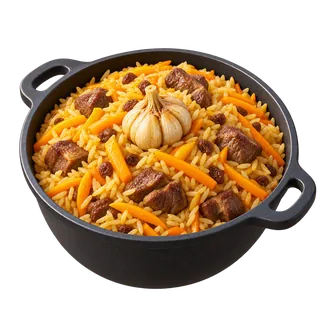
On their first evening, while they were unpacking boxes, somebody knocked on the door. It was a woman from the fifth floor, holding a big plate of plov covered with a clean cloth. “Welcome to our building,” she said. “You haven’t got time to cook today, have you?” Zarina didn’t know what to say. She thanked her three times.
Over the next few weeks, Muqaddas opa became part of their life. She told them which bakery had the best non, who to call when the water was cut off, and she even fed their cat when they visited Farrukh’s parents in Namangan.
In spring Zarina decided it was their turn. She cooked plov for the first time in her life, put it on the same plate and climbed the stairs to the fifth floor. The rice was a little too soft, but Muqaddas opa ate two portions and asked for the recipe. “Now you’re real neighbours,” she laughed.
Lug‘at: move into — …ga ko‘chib kirmoq; unpack — (quti, chamadonni) ochib joylashtirmoq; covered with — …bilan yopilgan; became part of their life — hayotining bir qismiga aylandi; was cut off — o‘chirib qo‘yilgan edi; it was their turn — navbat ularga keldi; portion — ulush, bir likop; recipe — retsept, tayyorlash usuli.
Savollar:
- 13. What did Farrukh and Zarina think about neighbours in the city at first?
- 14. What did Muqaddas opa bring on the first evening, and why?
- 15. Name two ways she helped the young couple.
- 16. Why did Muqaddas opa say “Now you’re real neighbours”?
Hikoyalardagi grammatika: nimaga e’tibor berish kerak
| Hikoyadagi gap | Grammatika | Nega shunday |
|---|---|---|
| While she was standing on the platform, an announcement said… | Past Continuous + Past Simple | Uzoq davom etgan fon harakati va uni bo‘lgan qisqa voqea |
| Madina had been waiting for this day for three months. | Past Perfect Continuous | O‘tmishdagi bir nuqtagacha davom etib kelgan harakat |
| You haven’t got time to cook today, have you? | Tag question | Tasdiq kutilgan muloyim savol, “to‘g‘rimi?” ma’nosida |
| She didn’t know how to stop recording. | know how to + fe’l | “…ni qanday qilishni bilmoq” |
| He wanted to give the man some money. | want + to + fe’l | want give emas: to tushib qolmasin |
O‘zbek o‘quvchisi ko‘pincha While she stood on the platform deb yozadi. Bu grammatik jihatdan xato emas, lekin ingliz tilida fon harakati uchun Past Continuous tabiiyroq eshitiladi. Farqi Past Simple va Past Continuous farqi sahifasida misollar bilan.
Javoblar
- 1. She is seventy-two.
- 2. To the writer’s aunt in Samarkand.
- 3. False. Only the first one said “Good morning, children!”; the other ten were noise.
- 4. Recipes, advice and news from the mahalla.
- 5. To buy vegetables for his mother.
- 6. When he wanted to buy some apricots.
- 7. Under his potato sacks.
- 8. To come back and buy potatoes from him again.
- 9. Because she wanted to have plenty of time before the interview.
- 10. Trains were delayed because of a technical problem.
- 11. She called the company and said she would be about fifteen minutes late.
- 12. Namuna: Because Madina called and warned them. The other candidates didn’t, so she showed that she was responsible.
- 13. They thought people in the city don’t really talk to their neighbours.
- 14. A big plate of plov, because the couple were busy unpacking and had no time to cook.
- 15. Any two: she told them which bakery had the best non; she told them who to call when the water was cut off; she fed their cat.
- 16. Because Zarina returned the plate with her own plov: now the help goes both ways.
O‘qigandan keyin: 3 ta mashq
- Qayta aytish (3 daqiqa). Bitta hikoyani tanlang, 5 ta tayanch so‘z yozing va kitobga qaramasdan aytib bering. 3-hikoya uchun: interview, platform, delayed, called, got the job.
- Oxirini o‘zgartirish (10 daqiqa). 2-hikoyani boshqacha tugating: hamyonni bola topib keldi yoki Bekzod uni uyda unutgan ekan. 60–80 so‘z yozing.
- O‘z hikoyangiz (20 daqiqa). O‘zingiz bilan bo‘lgan kichik voqeani 100–120 so‘zda yozing: qayerda, kim bilan, nima bo‘ldi, qanday tugadi. Tuzilishi va bog‘lovchi so‘zlar ingliz tilida hikoya yozish sahifasida.
Og‘zaki hikoya aytishni alohida mashq qilmoqchi bo‘lsangiz, hikoya aytish mashqlari sahifasida rasmli topshiriqlar bor. Ertak va masallar bilan o‘qishni davom ettirish uchun inglizcha ertaklar tarjimasi bilan sahifasini oching.
Hikoyani Bandi bilan muhokama qilish
BandMate ilovasida o‘qigan hikoyangizni Bandi’ga qisqacha aytib berishingiz mumkin. U What would you do if you lost your wallet? yoki Do you know your neighbours? kabi savollar bilan suhbatni davom ettiradi, keyin grammatika va talaffuz bo‘yicha izoh beradi. Bu mashq uchun fikr-mulohaza, rasmiy daraja bahosi emas.
Bugun 1-hikoyani ovoz chiqarib o‘qing, keyin o‘zingizning birinchi telefoningiz haqida uch gap ayting.
BandMate’ni Google’da afzal manba qiling