Many sanaladigan otning ko‘pligi bilan keladi: many guests, many questions. Much sanalmaydigan ot bilan: much time, much money. A lot of va lots of ikkalasiga ham mos: a lot of guests, a lot of time. Miqdor so‘raganda xuddi shu bo‘linish: How many guests? How much time?
Yana bitta amaliy qoida: kundalik nutqda darak gapda odatda a lot of ishlatiladi, much va many esa ko‘proq inkor va so‘roq gaplarda keladi. We don’t have much time tabiiy, We have much time esa kitobiy eshitiladi. Ot sanaladimi yoki yo‘qmi, bilmasangiz, avval sanaladigan va sanalmaydigan otlar sahifasini ko‘rib chiqing.
Uch xil gap, ikki xil ot: asosiy jadval
Mehmondorchilikka tayyorgarlik misolida:
| Gap turi | Sanaladigan: guests | Sanalmaydigan: food |
|---|---|---|
| Darak | We invited a lot of guests. | We cooked a lot of food. |
| Inkor | We didn’t invite many guests. | We didn’t cook much food. |
| So‘roq | Did you invite many guests? | Did you cook much food? |
| Miqdor savoli | How many guests are coming? | How much food do we need? |
| Bir so‘zli javob | Not many. / A lot. | Not much. / A lot. |
Jadvaldan ko‘rinib turibdiki, a lot of hamma joyda ishlaydi. Shuning uchun ishonchingiz komil bo‘lmasa, a lot of ni tanlang: u darak, inkor va so‘roq gapda ham to‘g‘ri. Lots of ham xuddi shunday, faqat biroz norasmiyroq: There were lots of people at the concert.
Qancha odam? Nechta? O‘zbekcha savol qayerda chalg‘itadi
O‘zbekchada nechta? faqat sanaladigan narsaga ishlatiladi va u how many ga to‘g‘ri keladi. Qancha? esa ikkalasiga ham ishlatiladi: qancha guruch? va qancha odam? Mana shu yerdan eng ko‘p uchraydigan xato chiqadi: How much people came?
| O‘zbekcha | Inglizcha | Izoh |
|---|---|---|
| Qancha guruch kerak? | How much rice do we need? | sanalmaydigan |
| Qancha odam keldi? | How many people came? | people sanaladigan, “qancha” bo‘lsa ham |
| Nechta non olay? | How many loaves of bread should I buy? | loaves sanaladi |
| Necha pul? | How much is it? | narx doim how much |
| Necha kilo? | How many kilos? | kilos sanaladi |
| Qancha vaqt ketadi? | How long does it take? / How much time do we have? | davomiylikka ko‘pincha how long |
| Necha marta? | How many times? | times = marta |
Narx so‘raganda money so‘zi aytilmasa ham how much ishlatiladi: How much is this scarf? How much are these apples? Fe’l narsaning soniga qarab o‘zgaradi: bitta narsa — is, ko‘plik — are.
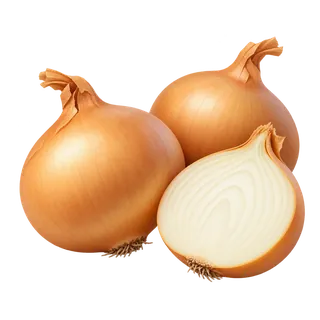
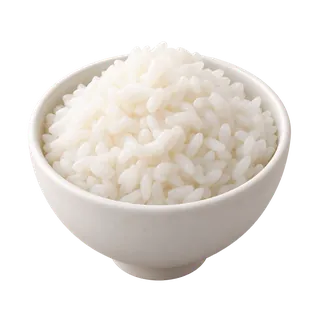
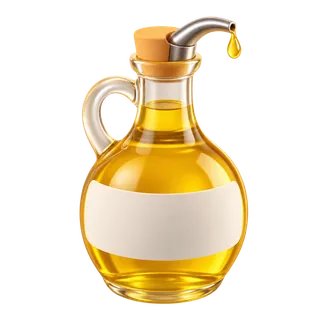
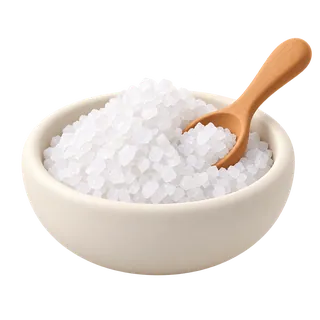
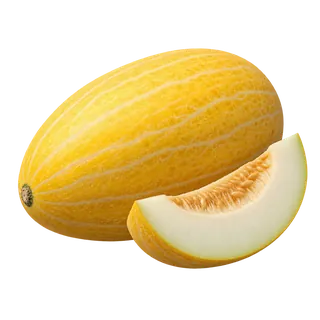
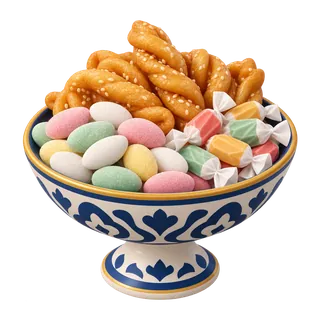
Rasmlar bilan: how many yoki how much


Siyob bozorida: dialog
Kamola Samarqanddagi Siyob bozorida mehmonlar uchun quruq meva olmoqda. Dialogdagi much, many, a lot of va how much/how many ni belgilab o‘qing.
Kamola: Good morning! How much are the dried apricots?
Sotuvchi: The price is on the card. How many kilos would you like?
Kamola: We’re expecting a lot of guests on Sunday, so two kilos, please.
Sotuvchi: Two kilos. Do you need any almonds? They’re very fresh.
Kamola: Yes, but not many. Half a kilo is enough.
Sotuvchi: Here you are. Anything else? Raisins? Walnuts?
Kamola: How many kinds of raisins do you have?
Sotuvchi: Four kinds. But I don’t have much of the black one left. Lots of people bought it this morning.
Kamola: Then a kilo of the green ones. How much is that altogether?
Sotuvchi: Let me weigh everything. Cash or card?
How much are…? — narx; How many kilos? va How many kinds? — sanaladi; a lot of guests va lots of people — darak gapda; not many va not much — qisqa inkor javob. Bozorda narx kelishish iboralari bozorda savdolashish sahifasida.
Much va many darak gapda: qachon to‘g‘ri eshitiladi
Much va many darak gapda taqiqlanmagan, faqat uslubga qarab tanlanadi.
- Og‘zaki nutqda: darak gapda a lot of, lots of ishlating. There’s a lot of traffic today tabiiy, There is much traffic today esa g‘alati.
- Rasmiy yozuvda (IELTS Writing, xat, maqola): many va much darak gapda ham yaxshi ishlaydi. Many young people choose IT careers. Much of Tashkent was rebuilt after the 1966 earthquake.
- Rasmiyroq muqobillar: sanaladiganlar uchun a large number of, sanalmaydiganlar uchun a great deal of. A large number of students applied for the grant. The project requires a great deal of time.
- Juda norasmiy: loads of (do‘stlar bilan chatda): I’ve got loads of homework.
Too, so, as dan keyin much va many har qanday gapda tabiiy: too much sugar, so many people, as much as you like. Ortiqcha miqdorni aytish too va enough sahifasida alohida ko‘rilgan. Thank you very much va I like it very much ham qolip sifatida ishlatiladi.
A lot va a lot of: of qachon tushib qoladi
Of faqat ortidan ot kelganda qo‘yiladi. Ot yo‘q bo‘lsa, shunchaki a lot:
- She reads a lot of books. — ot bor, of kerak.
- She reads a lot. — ot yo‘q, of yo‘q.
- — Do you drink much coffee? — Not much. / — Yes, a lot.
A lot of dan keyingi fe’l otga qarab moslashadi, lot ga emas: A lot of people are waiting. A lot of money is spent on weddings.
How much people va boshqa miqdor xatolari
| Noto‘g‘ri | To‘g‘ri | Sababi |
|---|---|---|
| How much people came? | How many people came? | people sanaladi |
| How many money do you need? | How much money do you need? | money sanalmaydi |
| There is much traffic today. | There’s a lot of traffic today. | og‘zaki darak gapda a lot of |
| There were very much people. | There were a lot of people. / very many people | much sanalmaydiganlar uchun |
| a lot of homeworks | a lot of homework | homework sanalmaydi |
| How much is these shoes? | How much are these shoes? | ko‘plik — are |
| She reads a lot of. | She reads a lot. | ot bo‘lmasa of yo‘q |
| We don’t have many time. | We don’t have much time. | time sanalmaydi |
Mashq: 15 ta savol
A. Much, many yoki a lot of qo‘ying. (Ba’zan ikki javob to‘g‘ri.)
- 1. How ______ brothers and sisters do you have?
- 2. I don’t have ______ free time on weekdays.
- 3. There were ______ people at the Navruz celebration in the park.
- 4. How ______ sugar do you take in your tea?
- 5. Did you take ______ photos in Khiva?
- 6. We don’t need ______ eggs for this recipe, just two.
- 7. She has ______ experience with children.
- 8. How ______ is a ticket to Bukhara?
B. Xatoni tuzating.
- 9. How much students are in your group?
- 10. He doesn’t earn many money.
- 11. I like this song a lot of.
- 12. There are a lot of informations on this website.
C. Savol tuzing: how much yoki how many.
- 13. (water / you / drink / every day)
- 14. (languages / your father / speak)
- 15. (these tomatoes / cost)
Javoblar
- 1. many — brothers and sisters sanaladi.
- 2. much — time sanalmaydi, gap inkor. (a lot of ham to‘g‘ri.)
- 3. a lot of — darak gap, og‘zaki uslub. Rasmiy matnda many ham mumkin.
- 4. much — sugar sanalmaydi.
- 5. many yoki a lot of — photos sanaladi, so‘roq gap.
- 6. many — sanaladi, inkor gap.
- 7. a lot of — darak gap; experience bu yerda “tajriba”, sanalmaydi.
- 8. much — narx savoli.
- 9. How many students are in your group?
- 10. He doesn’t earn much money.
- 11. I like this song a lot. — ot yo‘q, of kerak emas.
- 12. There is a lot of information on this website. — information sanalmaydi, fe’l birlikda.
- 13. How much water do you drink every day?
- 14. How many languages does your father speak?
- 15. How much do these tomatoes cost? yoki How much are these tomatoes?
Yana 25 ta topshiriq much va many mashqlari sahifasida. “Ozgina” va “kam” ma’nosidagi so‘zlar esa few, little, a few, a little sahifasida.
Bozor va mehmondorchilik haqida Bandi bilan gaplashish
Miqdor so‘zlarini tez tanlash jonli gapda shakllanadi. BandMate ilovasida Bandi bilan ovozli suhbatda xarid, ovqat va rejalaringiz haqida gapirasiz, darslarda esa qoidalar o‘zbekcha izohlanadi. Bugungi vazifa: oxirgi mehmondorchilikni eslang va uni ovoz chiqarib tasvirlang. How many guests came? How much food did you cook? savollariga javob bering va kamida bitta not much, bitta not many ishlating.
BandMate’ni Google’da afzal manba qiling