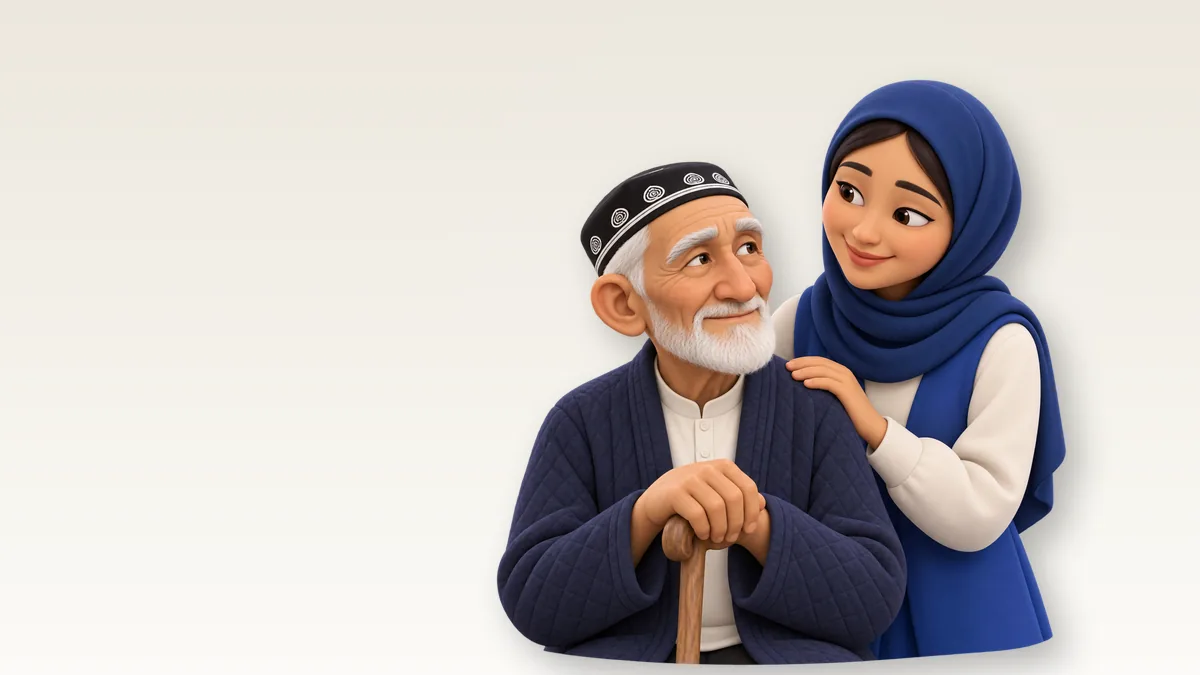
Основа семьи по-английски — parents (родители), mother и father, son и daughter, brother и sister, grandparents (бабушка и дедушка). Родственники со стороны мужа или жены получают хвост -in-law: mother-in-law (свекровь или тёща), sister-in-law (невестка, золовка, свояченица). А двоюродный брат и сестра — одно слово cousin. Ниже 46 слов с сочетаниями и примерами, способы объяснить узбекскую родню, в которой отдельные слова есть для каждой тёти и каждого дяди, и тест.
Первая фраза, которую стоит сказать вслух: There are five of us in my family: my parents, my two brothers and me. — «Нас в семье пятеро».
Ближайшая семья: 12 слов
| Слово | Перевод | Сочетания | Пример |
|---|---|---|---|
| parents | родители | strict parents, my parents’ house | My parents live in Yunusabad. |
| mother / mum | мать / мама | a working mother, a mum of three | My mum is a nurse. |
| father / dad | отец / папа | a proud father, my dad’s car | Dad taught me to drive. |
| son | сын | an only son, our eldest son | Their son is studying in Korea. |
| daughter | дочь | a baby daughter, their youngest daughter | She has two daughters. |
| brother | брат (родной) | an older brother, a younger brother | My older brother works in IT. |
| sister | сестра (родная) | a little sister, a twin sister | My sister is two years younger than me. |
| siblings | братья и сёстры | have three siblings | Do you have any siblings? |
| twins | близнецы | identical twins, twin brothers | The twins look exactly alike. |
| only child | единственный ребёнок | grow up as an only child | I’m an only child. |
| the eldest | старший (из нескольких) | the eldest son, the eldest of four | Aziz is the eldest in the family. |
| the youngest | младший (из нескольких) | the youngest daughter | I’m the youngest of three. |
Обратите внимание: older и elder значат одно и то же, но elder ставят только перед существительным: my elder sister. Сказать my sister is elder нельзя, только older.

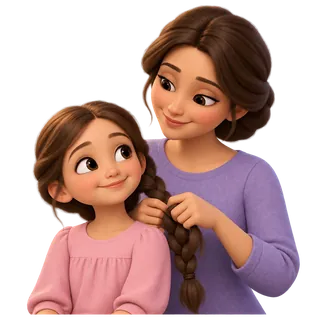

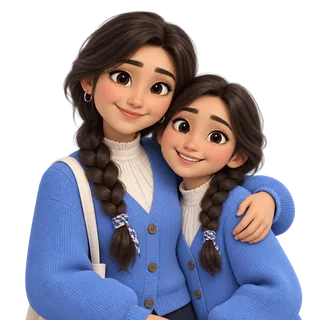

Бабушки, дедушки и дальняя родня: 12 слов
| Слово | Перевод | Сочетания | Пример |
|---|---|---|---|
| grandparents | бабушка и дедушка | visit my grandparents | We visit my grandparents every Friday. |
| grandmother / granny | бабушка | my late grandmother, granny’s recipe | Granny makes the best samsa. |
| grandfather / grandpa | дедушка | my grandfather on my mum’s side | Grandpa still works in his garden. |
| grandchildren | внуки | twelve grandchildren | They have twelve grandchildren. |
| great-grandmother | прабабушка | my great-grandmother’s photo | My great-grandmother lived to 95. |
| aunt | тётя | my favourite aunt | My aunt lives in Fergana. |
| uncle | дядя | my uncle on my dad’s side | My uncle runs a small shop. |
| cousin | двоюродный брат / сестра | a first cousin, a distant cousin | I have more than twenty cousins. |
| nephew | племянник | my little nephew | My nephew started school this year. |
| niece | племянница | my niece and nephew | My niece wants to be a doctor. |
| relatives | родственники | close relatives, distant relatives | All our relatives came to the wedding. |
| ancestors | предки | my ancestors came from Khorezm | Our ancestors were farmers. |
Брак и родня супругов: 12 слов
| Слово | Перевод | Сочетания | Пример |
|---|---|---|---|
| husband | муж | my husband and I | Her husband is a pilot. |
| wife | жена | his wife and kids | His wife teaches maths. |
| fiancé / fiancée | жених / невеста (помолвленные) | meet my fiancée | This is my fiancé, Timur. |
| bride | невеста (на свадьбе) | the bride’s dress | The bride looked beautiful. |
| groom | жених (на свадьбе) | the bride and groom | The groom was very nervous. |
| in-laws | родня мужа или жены | live with the in-laws | We had dinner with my in-laws. |
| mother-in-law | свекровь; тёща | get on with your mother-in-law | My mother-in-law is very kind. |
| father-in-law | свёкор; тесть | my future father-in-law | My father-in-law loves fishing. |
| daughter-in-law | невестка (жена сына) | a new daughter-in-law | Their daughter-in-law is a lawyer. |
| son-in-law | зять (муж дочери) | their son-in-law | Their son-in-law helped them move. |
| stepmother / stepfather | мачеха / отчим | a caring stepfather | My stepfather raised me. |
| widow / widower | вдова / вдовец | a young widow | She has been a widow for ten years. |
Глаголы о семье: 10 выражений
| Выражение | Перевод | Пример |
|---|---|---|
| get married (to) | пожениться, выйти замуж | They got married last summer. |
| get engaged | обручиться | My sister got engaged in May. |
| be divorced | быть в разводе | His parents are divorced. |
| have a baby | родить ребёнка | They’re going to have a baby. |
| grow up | вырасти | I grew up in Samarkand. |
| bring up | растить, воспитывать | My grandmother brought me up. |
| take after | быть похожим на (родственника) | I take after my father. |
| look after | заботиться, присматривать | I look after my little brother after school. |
| get on (well) with | ладить с | I get on well with my cousins. |
| look up to | уважать, равняться на | I’ve always looked up to my uncle. |
Женятся по-английски to кого-то, а не with: She is married to a doctor. «Выйти замуж» и «жениться» — один глагол get married.
Узбекская родня по-английски
В английском один uncle и одна aunt, а в узбекской семье у каждого своё слово. Объясняйте так, как это делают сами носители: через «чей брат» или «с какой стороны».
| По-узбекски | Кто это | Как сказать |
|---|---|---|
| amaki | брат отца | my uncle, my dad’s brother |
| tog‘a | брат матери | my uncle on my mum’s side |
| amma | сестра отца | my aunt, my dad’s sister |
| xola | сестра матери | my mum’s sister |
| kelin | жена сына, молодая невестка в семье | my daughter-in-law, the new bride in the family |
| kuyov | муж дочери; жених | my son-in-law; the groom |
| qaynona | мать мужа или жены | my mother-in-law |
| quda | родители второго супруга | my son’s in-laws |
У русских «сватов» и узбекских quda нет английского эквивалента, поэтому говорят описательно: my daughter’s parents-in-law или my son’s in-laws.
Несколько фраз, которые помогут иностранцу понять, как устроена семья в Узбекистане:
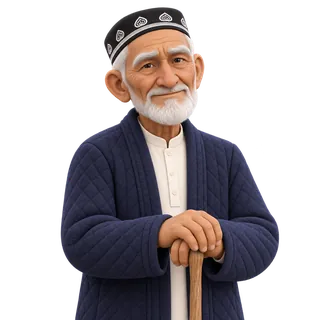
- In many Uzbek families, three generations live under one roof. — Во многих семьях под одной крышей живут три поколения.
- Traditionally, the youngest son stays with his parents and looks after them. — По традиции младший сын остаётся с родителями.
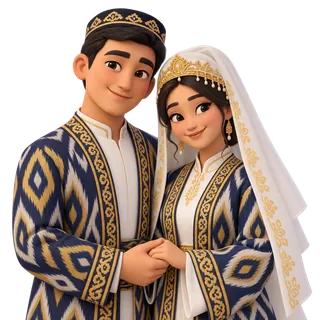
- After the wedding, the bride often moves in with her husband’s family. — После свадьбы невеста часто переезжает в семью мужа.
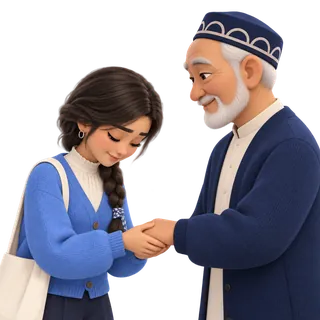
- We have a lot of respect for our elders. — Мы очень уважаем старших.
- A wedding here can have several hundred guests. — На свадьбу здесь могут прийти несколько сотен гостей.
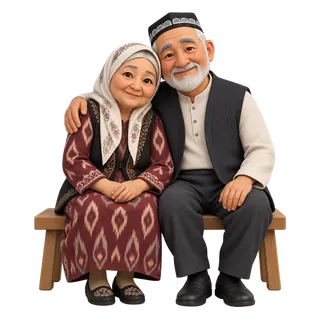
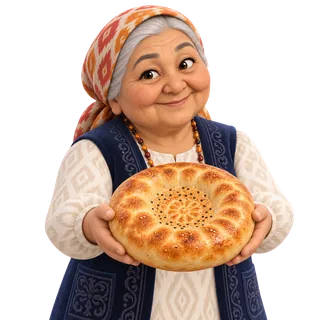
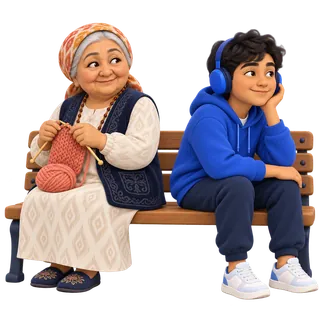
Family не фамилия: ложные друзья этой темы
- family — семья, а фамилия — surname или last name: What’s your surname?
- relatives — все родственники, а родители — только parents. Фраза My relatives live with me звучит как «со мной живёт родня», а не «мама и папа».
- brother — только родной брат. Двоюродного называют cousin, иначе собеседник решит, что у вас пятнадцать родных братьев.
- aunt, uncle — только родственники. Незнакомую женщину на улице «тётей» по-английски не зовут; вежливо — Excuse me или madam.
- невестка переводится по-разному: жена сына — daughter-in-law, жена брата — sister-in-law.
- old sister — неправильно; «старшая сестра» — older или elder sister.
Описывать характер родственников (strict, generous, easy-going) помогут слова из статьи характер человека на английском, а местоимения his, her, their разобраны в статье местоимения в английском.
Диалог: фото со свадьбы в офисе
A: Is that your wedding photo on your desk?
B: No, it’s my cousin’s wedding. That’s me on the left, next to my aunt.
A: Your cousin? You look like sisters.
B: Everyone says that! Our mums are sisters, and we grew up together.
A: How many cousins do you have?
B: About thirty, I think. My dad has five brothers, and each of them has three or four kids.
A: Thirty! I have two cousins, and I see them once a year at Christmas.
B: Here it’s different. We all get together for plov almost every weekend, usually at my grandparents’ house.
A: And who is the man in the white hat?
B: That’s my grandfather. He’s eighty-two, and he still gives a speech at every family wedding.
Тест: 12 заданий
А. Кто это?
- 1. My mother’s sister is my ___ .
- 2. My uncle’s son is my ___ .
- 3. My brother’s daughter is my ___ .
- 4. My wife’s father is my ___ .
- 5. My son’s wife is my ___ .
- 6. Children of my children are my ___ .
Б. Вставьте слово: after, up, to, on, only, engaged.
- 7. I don’t have any siblings, I’m an ___ child.
- 8. She takes ___ her mother, they both love music.
- 9. Do you get ___ well with your in-laws?
- 10. My sister is married ___ a pilot.
В. Исправьте ошибку.
- 11. What is your family? — Karimov.
- 12. My old brother lives in Bukhara.
Ответы
- 1. aunt — сестра мамы.
- 2. cousin — двоюродный брат.
- 3. niece — дочь брата, племянница.
- 4. father-in-law — тесть.
- 5. daughter-in-law — невестка, жена сына.
- 6. grandchildren — внуки.
- 7. only — an only child.
- 8. after — take after, быть похожим.
- 9. on — get on well with, ладить.
- 10. to — married to, а не with.
- 11. What is your surname? — фамилия — surname.
- 12. My older (elder) brother lives in Bukhara. — «старший» — older / elder.
Расскажите Bandi о своей семье
Вопрос «Tell me about your family» звучит и в первом разговоре с новым знакомым, и в начале IELTS Speaking, поэтому рассказ о семье стоит отрепетировать заранее: сколько вас, кто чем занимается, на кого вы похожи. Готовые шаблоны для первых фраз есть в статье рассказ о себе на английском. В BandMate можно рассказать Bandi о своей родне вслух и услышать, где cousin лучше, чем brother, а где пропущено -in-law. Если в вашей семье говорят по-узбекски, пригодится и страница oila a’zolari inglizcha.
Добавьте BandMate в предпочитаемые источники Google